What Are the Main Causes of Chronic Inflammation?
TL;DR
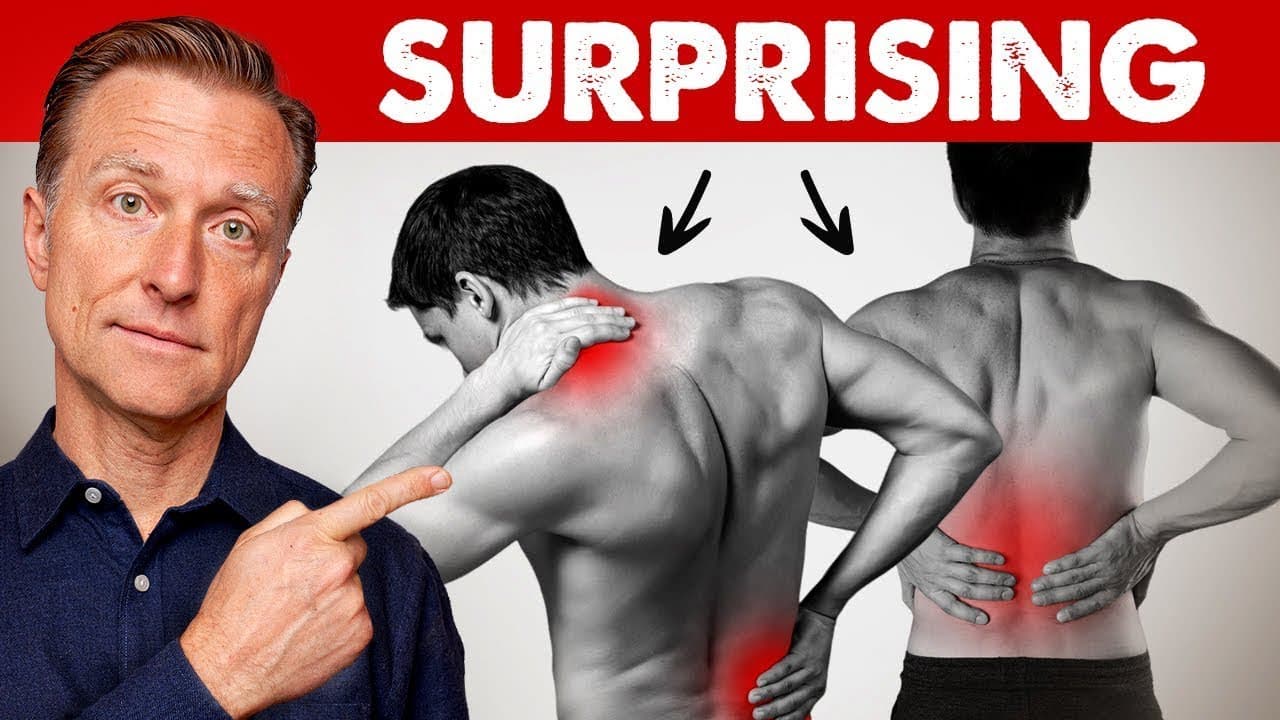
Persistent inflammation results when an ongoing stimulus prevents the immune system from completing the healing process. The presentation identifies dietary triggers, viral reactivation, insulin resistance, inadequate cortisol, old injuries, bile sludge, excess iron, hypoxia, and uric acid as possible causes, then recommends dietary changes, fasting, exercise, cold therapy, vitamin D3, omega-3 fatty acids, and selected supplements.
Transcript
Let's talk about inflammation. Most of the inflammation that a person has actually is being caused by their own immune system. And we really have just two basic, uh, phases of inflammation. You have the acute phase, and then you have the chronic phase, where you have this incomplete healing. Inflammation is there to try to heal something, but if th... Read More
Key Insights
- Chronic inflammation is incomplete healing caused by a continuing stimulus. The immune system initiates inflammation to repair something, but the process cannot resolve when dietary ingredients, pathogens, metabolic problems, injuries, or other triggers repeatedly provoke the body.
- Gut damage is presented as a major origin of immune activation. Gluten and food-protein allergies, including reactions to milk casein, are said to damage the intestinal lining, allow food proteins to cross it, and trigger reactions within the lymphatic system.
- Ultra-processed ingredients are described as promoters of free-radical damage. The presentation particularly emphasizes synthetic sugars, maltodextrin or modified food starch, and highly refined seed oils, while recommending stable fats such as tallow, coconut oil, and extra virgin olive oil.
- Viral reactivation is linked to stress and elevated cortisol in the presentation. Cortisol is said to suppress immune activity, allowing dormant viruses to become active again, while vitamin D and zinc are proposed as nutrients that may support the response.
- Insulin resistance is associated with frequent eating, snacking, and carbohydrate consumption. The presentation reports that reducing carbohydrates through a ketogenic diet and adopting intermittent fasting can lessen inflammation, including arthritis symptoms experienced by the presenter and reported by others.
- Restricted movement is identified as a contributor to inflammation around old injuries. Joints that do not move may remain painful and inflamed, so regular exercise, stretching, hill running, and movements that expand the chest are recommended to improve mobility and comfort.
- Hypoxia is described as inflammation associated with inadequate oxygen delivery. Potential contributors named in the presentation include COPD, anemia involving insufficient iron or vitamin B12, injuries, liver cirrhosis, clogged arteries, and sleep apnea, which can affect multiple organs.
- Endogenous antioxidant defenses are presented as an important way to address inflammation. Fasting, cruciferous vegetables, salads, exercise, and cold therapy are recommended to strengthen these internal defenses, while vitamin D3 is described as a potent regulator of immune activity.
Install to Summarize YouTube Videos and Get Transcripts
Explore YouTube Video Summarizer or Get YouTube Transcript Extractor
Questions & Answers
Q: What causes inflammation to become chronic?
Inflammation becomes chronic when a continuing stimulus prevents the immune system from completing its healing response. The presentation distinguishes an acute phase from a chronic phase marked by incomplete healing. Potential continuing stimuli include irritating foods, viral activity, insulin resistance, inadequate cortisol, old injuries, bile sludge, excess iron, hypoxia, and elevated uric acid.
Q: How can gluten and food allergies contribute to inflammation?
Gluten is presented as a substance that can damage the gut lining and contribute to a leaky gut. Food proteins may then pass through the intestinal barrier, enter the lymphatic system, and provoke an immune reaction. The presentation also distinguishes lactose intolerance from a true allergy to a protein such as casein and suggests removing milk when casein is problematic.
Q: Why are ultra-processed foods linked to inflammation?
Ultra-processed foods are linked to inflammation because their synthetic sugars, modified food starches, maltodextrin, and highly refined seed oils are described as highly reactive and capable of producing free-radical damage. The presentation particularly criticizes industrially processed corn ingredients and heated omega-6 oils, recommending tallow, coconut oil, or extra virgin olive oil instead of vegetable oils for cooking.
Q: How can stress reactivate viruses and increase inflammation?
Stress can raise cortisol, which the presentation says suppresses the immune system. This reduced immune activity may allow a virus to emerge from remission and produce recurring inflammatory symptoms. Major losses, menstrual cycles, and other stressful circumstances are mentioned as possible triggers. Vitamin D and zinc are suggested as supportive nutrients when viral activity contributes to inflammation.
Q: How are insulin resistance and inflammation connected?
Insulin resistance is presented as a consequence of frequent snacking, frequent eating, and carbohydrate consumption, and it is associated with increased inflammation. The presenter describes having severe arthritis symptoms while insulin resistant and reports that many people experience less inflammation after beginning a ketogenic diet and intermittent fasting. The recommended approach is lower carbohydrate intake combined with less frequent eating.
Q: Why can old injuries continue to cause inflammation?
Old injuries can remain inflamed when affected joints and surrounding areas lack movement. The presentation states that sedentary behavior and joints that do not move can promote inflammation, especially in people with arthritis. Regular exercise, stretching, hill running, and chest-expanding movement are recommended because motion may open restricted areas and improve how the back, neck, and joints feel.
Q: What conditions can cause inflammation through hypoxia?
Hypoxia is a lack of oxygen and is presented as an inflammatory trigger. The examples given include COPD, anemia involving insufficient iron or vitamin B12, physical injuries, liver cirrhosis, clogged arteries, and sleep apnea. Because hemoglobin carries oxygen, problems that reduce oxygen transport or breathing may affect the arteries, kidneys, brain, and other tissues.
Q: What strategies are recommended for reducing inflammation?
The presentation recommends removing suspected dietary triggers, avoiding ultra-processed ingredients and heated seed oils, lowering carbohydrate intake, fasting regularly, exercising, stretching, eating salads and cruciferous vegetables, and using cold therapy. It also discusses vitamin D3, zinc, probiotics, TUDCA, tocotrienols, cod liver oil, and a carnivore diet for specific proposed causes or circumstances.
Summary & Key Takeaways
-
Inflammation has an acute phase and a chronic phase characterized by incomplete healing. The immune system produces much of the inflammatory response in an attempt to repair damage, but constant stimulation prevents resolution. The presentation connects persistent inflammation with gut problems, metabolic dysfunction, infections, stress, restricted movement, and impaired oxygen delivery.
-
Dietary triggers discussed include gluten, food-protein allergies, synthetic sugars, modified food starches, seed oils, and fructose. Gluten and allergies are presented as possible sources of gut-lining damage and immune activation. Ultra-processed corn ingredients and heated omega-6 oils are described as unstable substances that promote free-radical damage and continued irritation.
-
Suggested responses include identifying troublesome foods, reducing carbohydrates and omega-6 seed oils, fasting, exercising, stretching, eating cruciferous vegetables and salads, and trying cold therapy. The presentation also recommends vitamin D3, zinc, probiotics, TUDCA, tocotrienols, and cod liver oil for particular situations, though these recommendations are presented without individualized medical assessment.
Read in Other Languages (beta)
Share This Summary 📚
Summarize YouTube Videos and Get Video Transcripts with 1-Click
Try YouTube Summary with ChatGPT & Claude or YouTube Transcript Generator
Explore More Summaries from Dr. Eric Berg DC 📚


Summarize YouTube Videos and Get Video Transcripts with 1-Click
Try YouTube Summary with ChatGPT & Claude or YouTube Transcript Generator