How Wealth Turned Minimalism Into a Status Symbol
TL;DR
Minimalism loses its original purpose when simplicity becomes an expensive performance designed to signal status. The philosophy emerged as a rejection of excess and consumerism, but wealthy adopters transformed its neutral rooms, understated clothing, and restraint into quiet luxury, where costly objects communicate exclusivity only to people trained to recognize them.
Transcript
Minimalism, a movement based on intentional living, about removing the excess, focusing on what matters and finding purpose through living simply, or a sleek, curated way to flaunt your wealth and social status without seeming like you're trying too hard. A little over a decade ago, minimalism blew up. It showed up in TED talks, magazines, brillian... Read More
Key Insights
- Minimalism is a philosophy of intentional living that removes excess, reduces distraction, and concentrates attention on what matters. Its original appeal came from rejecting consumerism and questioning the belief that possessions, trends, or social rank can make a person feel complete.
- The 2008 financial crisis helped minimalism reemerge as a quiet rebellion against excess. Economic uncertainty led many people, including the creator after graduating in 2010, to reconsider conventional definitions of success and seek meaning outside highly visible consumption.
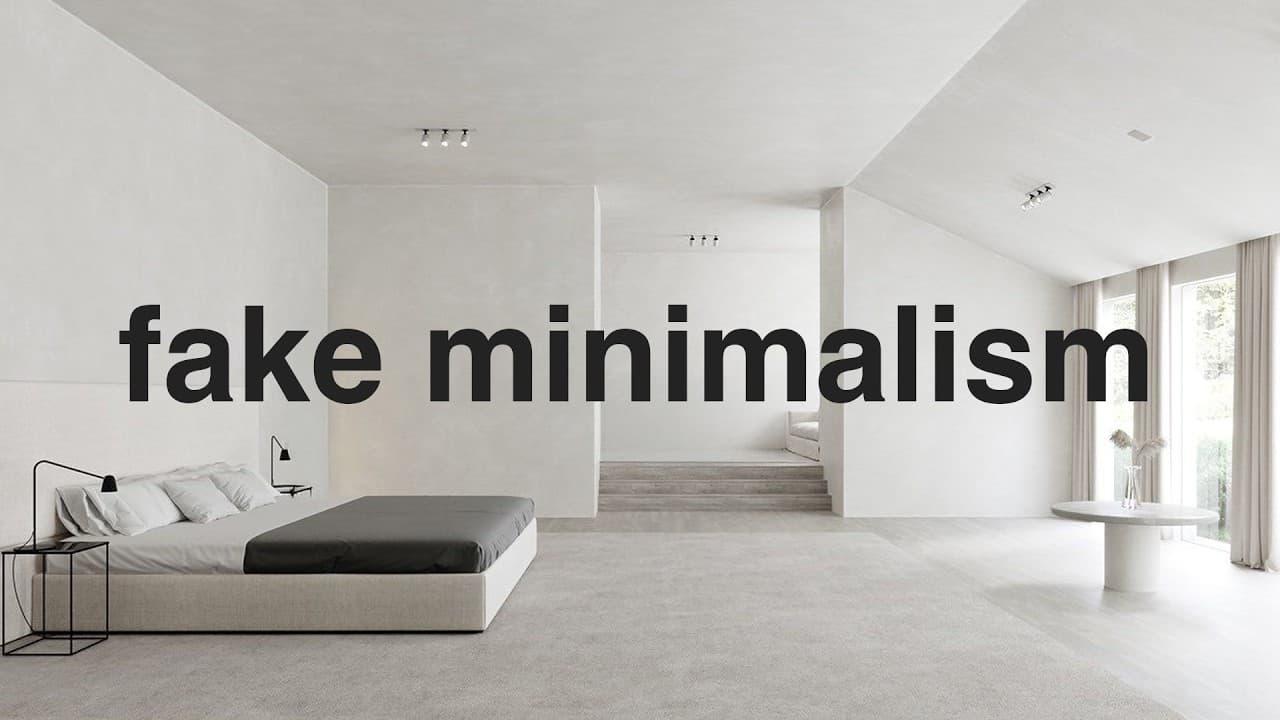
- Wealthy minimalism often preserves the aesthetic of simplicity while abandoning its anti-consumerist purpose. Neutral colors and empty spaces can conceal extremely costly objects, turning apparent restraint into aspirational luxury rather than a genuine reduction of status-driven consumption.
- Kim Kardashian's home illustrates the difference between minimalist appearance and minimalist philosophy. Its quiet rooms include Jean Royère sofas described as selling at auction for more than $500,000 each, making seemingly simple furniture function as a recognizable status symbol.
- Quiet luxury is an understated form of status signaling based on expensive items without prominent logos. Gwyneth Paltrow's 2023 ski trial wardrobe included a $613 Plan C shirt, $1,400 Prada boots, and $58,000 in Foundry jewelry that appeared ordinary to untrained observers.
- Quiet luxury works as a social filter because recognition determines who understands the signal. People familiar with particular designers, objects, and prices can identify the wealth being displayed, while everyone else may see only plain clothing, restrained interiors, or basic accessories.
- Elite restraint communicates that the owner had many options and deliberately chose simplicity. An empty room can therefore imply abundance rather than scarcity, while a costly logo-free handbag or plain-looking outfit communicates exclusivity without making wealth immediately legible to every observer.
- Status consumption affects people across social classes because purchases are often shaped by belonging and social position. Clothing, cars, neighborhoods, and handbags can communicate where buyers believe they fit, even when quality and price are presented as the main reasons for choosing them.
Install to Summarize YouTube Videos and Get Transcripts
Explore YouTube Video Summarizer or Get YouTube Transcript Extractor
Questions & Answers
Q: What is the original purpose of minimalism?
Minimalism is presented as a philosophy of intentional living, not simply a decorating style. Its purpose is to remove excess, focus on what matters, reduce distractions, regain control, and build a more meaningful life. It rejects the idea that happiness, personal worth, or social position depends on acquiring more possessions and continually following new consumer trends.
Q: Why did minimalism become popular after the 2008 financial crisis?
The 2008 financial crisis created economic uncertainty and forced many people to reconsider established ideas about work, consumption, and success. The creator recalls graduating in 2010, struggling alongside others to find jobs, and questioning whether conditions would improve. Minimalism offered a practical response by defining success through purpose and simplicity instead of possessions, excess, and traditional status markers.
Q: How did wealthy people transform minimalism into luxury?
Wealthy adopters retained minimalism's visible features, including empty rooms, neutral colors, understated clothing, and restrained design, while filling that aesthetic with extremely expensive products. Simplicity became aspirational and exclusive because informed observers could recognize particular designers and prices. The philosophy of rejecting status consumption was therefore replaced by a quieter, more selective method of displaying status.
Q: Why is Kim Kardashian's home described as aesthetic minimalism?
Kim Kardashian's home appears minimalist because it uses gray tones, open space, and limited furniture, but the creator argues that these features represent only an aesthetic. Her sitting room includes Jean Royère sofas described as selling for more than $500,000 each at auction. These costly pieces function as status symbols, which conflicts with minimalism's rejection of worth based on possessions.
Q: What is quiet luxury and how does it signal wealth?
Quiet luxury is a subtle form of expensive style that avoids obvious logos and loud visual displays. It signals wealth through restraint, specialized knowledge, and recognition. An item may look ordinary to most people, but informed observers know its designer, scarcity, or price. That recognition creates a social filter separating people who understand the signal from those who do not.
Q: What did Gwyneth Paltrow's 2023 trial wardrobe reveal about quiet luxury?
Gwyneth Paltrow's wardrobe during her 2023 ski trial appeared basic and restrained, but fashion reporters identified expensive items beneath that ordinary appearance. The transcript cites a $613 shirt from Plan C, $1,400 Prada boots, and $58,000 worth of Foundry jewelry. Her clothing demonstrated how quiet luxury can display status while remaining nearly invisible to observers without relevant brand knowledge.
Q: Why can an empty room function as a status symbol?
An empty room can communicate that its owner had every opportunity to acquire more but deliberately selected restraint. In a wealthy setting, the absence of visible clutter does not necessarily suggest limited resources. When the few remaining objects are exceptionally expensive, emptiness frames those choices as exclusive and intentional, converting apparent simplicity into a performance of power, taste, and abundance.
Q: Why is the minimalist aesthetic beginning to fade?
The minimalist aesthetic is beginning to fade because trends and status signals continually change across social classes. Although elite minimalism and quiet luxury still influence wealthy consumers, the transcript identifies a return of loud luxury through bold logos, statement pieces, and open displays of wealth. Brands benefit from moving the goalposts again as buyers pursue new ways to signal belonging and status.
Summary & Key Takeaways
-
Minimalism became mainstream after the 2008 financial crisis encouraged people to reconsider conventional ideas of success. Books, documentaries, blogs, decluttering challenges, and YouTube videos presented intentional living as a way to remove excess, reduce distraction, regain control, and pursue meaning without tying personal worth to possessions or social rank.
-
Wealthy adopters preserved minimalism's visual features while changing its underlying purpose. Empty rooms, neutral colors, logo-free clothing, and restrained design became settings for extraordinarily expensive furniture, fashion, and jewelry. The result looked simple to outsiders but operated as an exclusive status language for observers who could identify the hidden prices and brands.
-
Quiet luxury signals power through understatement and recognition. Its objects may resemble ordinary alternatives, but their exclusivity becomes visible to informed insiders. As trends continue moving across social classes, minimalist aesthetics are beginning to fade, loud luxury is returning, and brands are prepared to shift status markers again as consumers pursue belonging and distinction.
Read in Other Languages (beta)
Share This Summary 📚
Summarize YouTube Videos and Get Video Transcripts with 1-Click
Try YouTube Summary with ChatGPT & Claude or YouTube Transcript Generator
Explore More Summaries from Matt D'Avella 📚






Summarize YouTube Videos and Get Video Transcripts with 1-Click
Try YouTube Summary with ChatGPT & Claude or YouTube Transcript Generator