AI Foundations for Absolute Beginners: What Is AI and How Does Machine Learning Work?
TL;DR
AI is a field focused on building technology that imitates intelligent behavior through autonomy and adaptivity. Across four lessons, this offline-first course explains AI, machine learning, responsible AI, and how to design an image classifier with NearPocket. It also contrasts an adaptive search engine with a non-adaptive calculator, so read on for practical ways to recognize, understand, and create AI tools.
Transcript
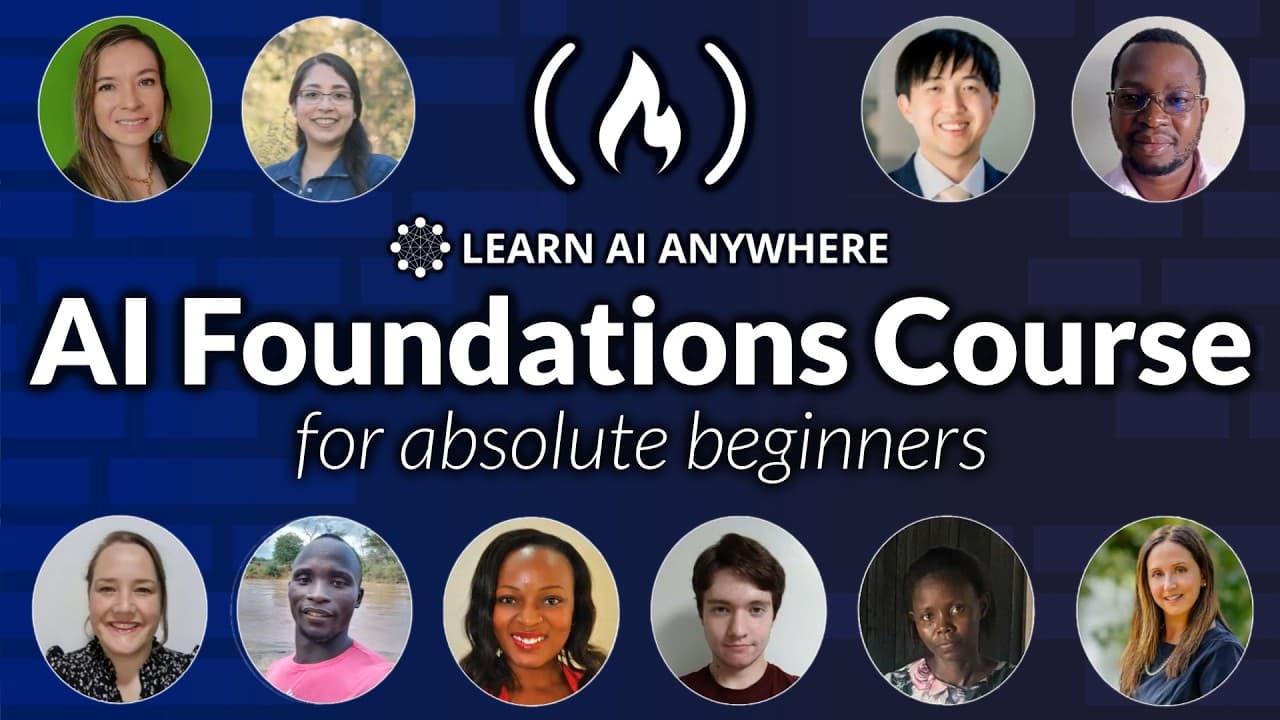
This introduction to AI literacy course covers topics such as what AI is, machine learning, how machine learning works, and responsible AI. This course was developed by Henry Lee and the learnai anywhere.org team. This organization focuses on creating accessible offline first AI literacy lessons that educators can use in schools across all types of... Read More
Key Insights
- AI is a field of study about building technology that imitates intelligent behavior, and it is fundamentally a product of human choices rather than a machine that stands against humans.
- Autonomy is a technology's capability to assist or operate independently, and it is one of the two core traits that make a system seem artificially intelligent.
- Adaptivity is a technology's capability to improve as it analyzes more data, and together with autonomy it distinguishes AI from non-AI tools.
- A search engine qualifies as AI because it autonomously suggests words as you type and adaptively improves suggestions by analyzing people's past searches.
- A calculator is not AI because it only does what you tell it, cannot analyze new data, and always works the same way, showing neither autonomy nor adaptivity.
- AI helps people by improving work quality, doing parts of work so users focus elsewhere, and making experiences simpler, as seen in farming and medical tools.
- AI is best understood as a tool, meaning humans remain responsible for deciding how it is used for the things they care about, not something that replaces human judgment.
- Machine learning parallels human exam preparation: a brain (the learner), notes (the data), studying (the process), and a prepared brain (the result) map onto how machines learn from data.
Install to Summarize YouTube Videos and Get Transcripts
Explore YouTube Video Summarizer or Get YouTube Transcript Extractor
Questions & Answers
Q: What is artificial intelligence?
Artificial intelligence is a field of study focused on building technology that imitates intelligent behavior. Two key traits that make AI seem intelligent are autonomy, the ability to assist or operate independently, and adaptivity, the ability to improve as it analyzes more data.
Q: How can you tell whether something is AI?
Check whether the technology demonstrates autonomy and adaptivity. An AI system can assist or operate independently and improve by analyzing more data, while a tool lacking both traits is not considered AI in this course.
Q: Why is a search engine considered AI but a calculator is not?
A search engine is autonomous because it independently suggests words as you type, and it is adaptive because it improves suggestions by analyzing past searches. A calculator only follows manually entered commands, cannot analyze new data, and always works the same way.
Q: What does the AI Foundations for Absolute Beginners course cover?
The course covers what AI is, the key parts of machine learning, how machine learning works, and the ideas behind responsible AI. Its goal is to help learners become responsible creators and critical users of AI tools.
Q: How do learners build an AI image classifier in the course?
Learners follow four lessons and use NearPocket to design an AI classifier around a theme they choose. An AI design activity sheet guides the project step by step, and learners finish ready to present both their classifier and their reasoning.
Q: What equipment and materials are required for the course?
Learners need a laptop, tablet, or phone with a webcam because they will take pictures for the image classifier. The project worksheet is optional, and a simple sheet of paper can replace it because the questions are short.
Q: Can NearPocket be used offline?
NearPocket can be accessed online, while offline apps are available for Windows and Android devices. iPhone users must access NearPocket through the website instead.
Q: Why does the course describe AI as a product of human choices?
The course rejects the idea that AI is simply humans versus machines and instead presents AI as a tool shaped by people. Humans choose what they care about, including their values and communities, and therefore need the knowledge and judgment to create and use AI responsibly.
Summary & Key Takeaways
-
This offline-first Introduction to Artificial Intelligence course from learnaianywhere.org teaches AI literacy through four lessons: what AI is, the key parts of machine learning, how machine learning works, and responsible AI. Learners design their own AI image classifier using the NearPocket app and an optional worksheet.
-
Lesson one defines AI as technology imitating intelligent behavior through autonomy and adaptivity. A search engine is AI because it suggests words independently and learns from past searches, while a calculator is not AI because it only follows commands and cannot analyze new data.
-
AI serves as a tool that helps farmers diagnose sick plant leaves with tools like Plant Village Nuru, helps doctors scan X-rays for tiny signs of illness, and takes notes during patient visits with Suki, freeing people to focus on more important tasks.
Read in Other Languages (beta)
Share This Summary 📚
Summarize YouTube Videos and Get Video Transcripts with 1-Click
Try YouTube Summary with ChatGPT & Claude or YouTube Transcript Generator
Explore More Summaries from freeCodeCamp.org 📚
![The Most Important Skills Going Forward with CTO + Homebrew Maintainer Mike McQuaid [Podcast #204] thumbnail](/_next/image?url=https%3A%2F%2Fi.ytimg.com%2Fvi%2F58Tn2xB8kIE%2Fhqdefault.jpg&w=750&q=75)

Summarize YouTube Videos and Get Video Transcripts with 1-Click
Try YouTube Summary with ChatGPT & Claude or YouTube Transcript Generator