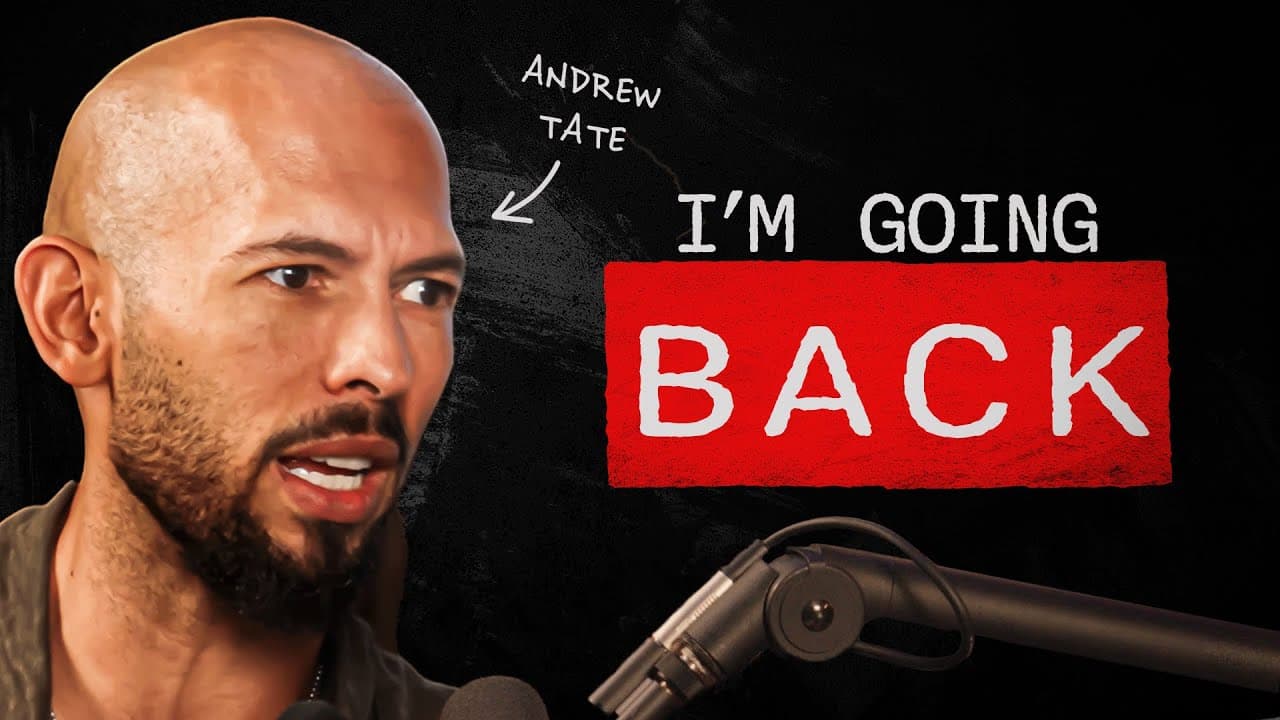
Andrew Tate’s Last Interview Before Arrest: Grief, Truth, and Personal Duty
TL;DR
Andrew Tate says his father’s death transformed him from a student into a teacher responsible for carrying his family’s lessons forward. He also explains why he wears sunglasses during roughly 80% of his waking day, how fighting taught him to read pain through the eyes, and how The Way of Wudan preserves his father’s teachings. Read on for his reflections on grief, truth, discipline, and legacy.
Transcript
Andrew is the human trafficker have you seen a single video of a single woman accusing me of anything why is it always the men who are against the establishment you get attacked why is Assange get a rape charge I have one Trump has one Russell BR has one everyone who talks against the system gets rape charges but everyone who works for the system e... Read More
Key Insights
- Tate’s stated reason for wearing sunglasses is partly practical, since prolonged exposure to bright lights makes him squint. He also says the glasses conceal his eyes, prevent others from reading his emotions easily, and allow him to observe people from the corners of his eyes.
- Eyes are important signals in Tate’s account of fighting because they can reveal whether a strike caused pain even when an opponent maintains a convincing poker face. He connects that experience to his preference for shielding what he calls the windows to his soul.
- The Way of Wudan is a series of educational stories that Tate began writing with his father and continued after his father died. He identifies his father as the inspiration for Master Po and himself as Adept Number One, with stoicism shaping many of the lessons.
- Tate’s response to his father’s death was marked by silence, reflection, and a sudden change in responsibility. He says the loss ended his period of learning under his father and began a new period in which he saw himself as responsible for teaching others.
- Grief is described by Tate as an experience that often produces silence rather than extensive public explanation. He argues that profound sadness can make people quiet, although this remains his personal interpretation of how genuine sorrow appears rather than a universal rule established in the interview.
- Parental loss can expose neglected priorities, according to Tate’s reflection on calls he should have answered and occasions when he should have chosen family. He says these regrets became lessons that he carried forward instead of treating his father’s death only as a source of pain.
- Family legacy is presented by Tate as a duty extending across generations. He wants his children to become important and exceptional rather than pursuing happiness alone, and he believes sons can preserve a father’s name by becoming people whose actions and ideas remain worthy of discussion.
- Truth is often rejected when it conflicts with desired feelings, according to Tate’s interpretation of his father’s writing. He links this tendency to confirmation bias and argues that truth becomes more valuable when a person has enough competence and agency to use reality constructively.
Install to Summarize YouTube Videos and Get Transcripts
Explore YouTube Video Summarizer or Get YouTube Transcript Extractor
Questions & Answers
Q: Why does Andrew Tate wear sunglasses so often?
Andrew Tate says bright lights make him squint, which was the original reason he began wearing sunglasses. He later came to value how dark lenses conceal his eyes, make his emotions harder to read, and let him observe people discreetly. He estimates that he wears sunglasses during 80% of his waking day.
Q: How did fighting shape Andrew Tate’s view of the eyes?
Tate says fighters watch an opponent’s eyes because they can reveal whether a hard strike caused pain, even when the person maintains a controlled face. He therefore regards the eyes as unusually honest signals of internal reactions. This experience contributes to his preference for shielding his own eyes with dark sunglasses.
Q: What is The Way of Wudan according to Andrew Tate?
The Way of Wudan is a collection of educational stories that Tate says he began writing with his father and continued after his father died. Master Po represents his father, while Tate appears as Adept Number One. The stories contain lessons about life and stoicism, are analyzed inside the War Room, and are being adapted into animation.
Q: How did Emory Tate’s death affect Andrew Tate?
Tate says his father died from a heart attack during a chess tournament on October 17, 2015, at age 56. The loss made him quiet and changed his self-image from a student following his father’s direction into a teacher responsible for making decisions and carrying those lessons forward.
Q: What lessons did Andrew Tate draw from losing his father?
Tate says the loss made him remember conversations he should have had, calls he should have answered, and occasions when family should have taken priority. He treated those regrets as practical lessons for his future choices rather than only as sources of pain.
Q: Why does Andrew Tate say true sadness is silent?
Tate argues that profound grief often makes a person quiet, using his response to his father’s death as his central example. He contrasts that silence with repeatedly describing suffering to seek sympathy. The interview presents this as his personal interpretation, not a universal rule about grief.
Q: How does Andrew Tate define a parent’s legacy?
Tate describes legacy as raising children who preserve and strengthen the family name through meaningful achievement. He wants his children to become important and exceptional, and he believes parenting should teach duty, honor, and necessary work rather than focus exclusively on happiness.
Q: What does Andrew Tate say about truth and confirmation bias?
Tate says people often reject truth when it conflicts with the feelings they want to maintain. He connects this behavior to confirmation bias, including seeking material that reinforces emotions such as anger. In his view, truth becomes useful when a person has the competence and agency to use reality to improve character and build a better life.
Summary & Key Takeaways
-
Tate says he initially wore sunglasses because bright lights made him squint, but they later became a way to conceal his eyes and observe others discreetly. Drawing on his fighting experience, he describes eyes as reliable indicators of pain and emotion, even when a person maintains a controlled facial expression.
-
The interview explores Tate’s relationship with his father, Emory Tate, who died from a heart attack during a chess tournament on October 17, 2015, at age 56. Tate says the loss changed his mentality from student to teacher and made him reflect on missed conversations, unanswered calls, responsibility, and family priorities.
-
Tate describes The Way of Wudan as a collection of educational stories originally written with his father. Master Po represents his father, while Tate appears as Adept Number One. He says the stories contain lessons about life and stoicism, are analyzed inside the War Room, and are being adapted into animation.
Read in Other Languages (beta)
Share This Summary 📚
Summarize YouTube Videos and Get Video Transcripts with 1-Click
Try YouTube Summary with ChatGPT & Claude or YouTube Transcript Generator
Explore More Summaries from Jack Neel 📚
Summarize YouTube Videos and Get Video Transcripts with 1-Click
Try YouTube Summary with ChatGPT & Claude or YouTube Transcript Generator