How to Build a Personal or Company Brand from Zero to Mega
TL;DR
The core method is to create a content framework with four pillars, testing formats like green screen, yaps, carousels, and vlogs to find what moves the audience. Start with a clear goal, then scale by turning content into signature IP and pursuing a tiered growth path from niche to mega brand.
Transcript
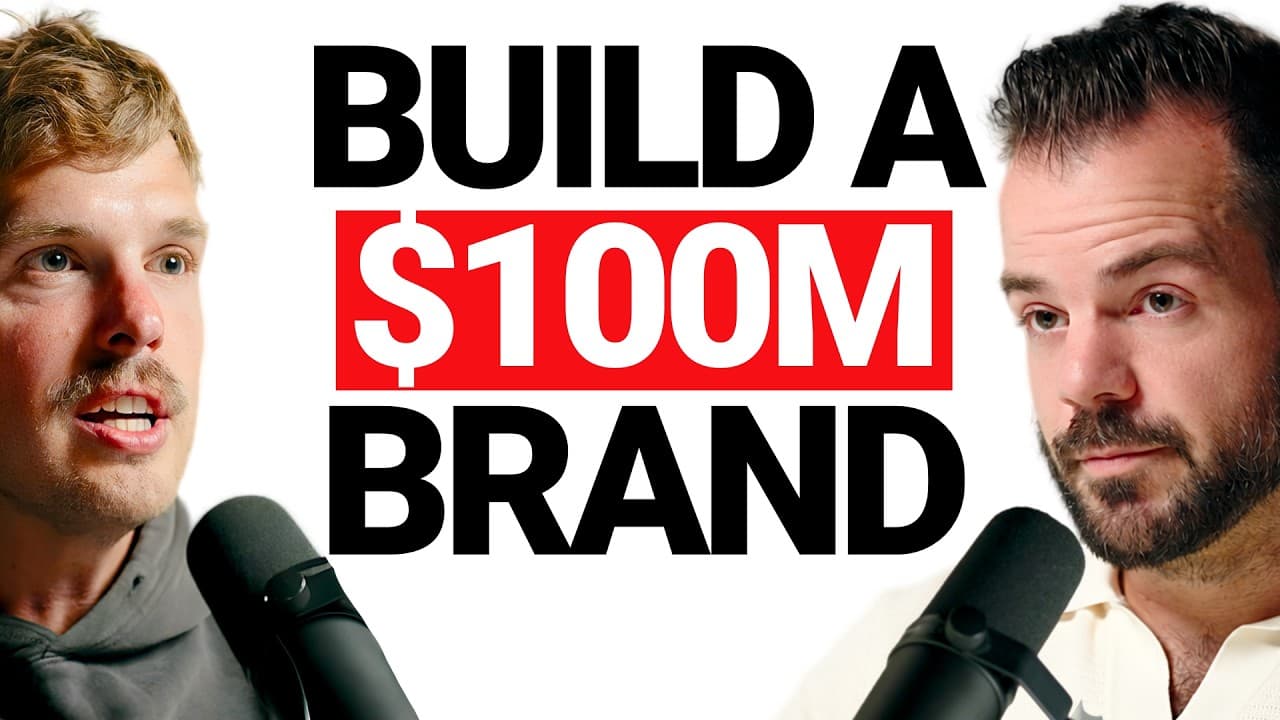
Orin John is known as the internet's creative director. And that's not just because he has 1.2 million followers across multiple platforms, but it's because he's consulted some of the biggest brands in the world on their social media and their overall company brand. So companies like Red Bull and so many more. So in this podcast, what we do is we b... Read More
Key Insights
-
- A successful brand needs a four-p pillar content framework that is repeated and tested monthly.
-
- Pillars are a combination of a format and a topic, enabling structured content production.
-
- Vlogs can work for entrepreneurs if they have a compelling quest or unique angle.
-
- A hero's journey storytelling approach makes each video engaging and memorable.
-
- Business owners should set clear goals before creating content to guide strategy.
-
- B2B content should be designed to be shared and to reach broader audiences.
-
- Signature IP and platform strategy are essential for moving from level 2 to level 3.
-
- Momentum and attribution come from consistent content that accelerates growth over time.
Install to Summarize YouTube Videos and Get Transcripts
Explore YouTube Video Summarizer or Get YouTube Transcript Extractor
Questions & Answers
Q: What is the basic framework to build a brand from zero to mega?
The basic framework combines four content pillars that blend format and topic, with monthly testing to measure top of funnel impact and conversions. Establish recurring content, track performance, and adjust to improve engagement and growth. This structured approach helps move from a niche audience toward broader recognition and influence.
Q: What formats are commonly used for short form content and which are trending?
Common formats include oneshot clips with text, green screen talking heads, yapping, and graphic yaps. Trending formats feature vibrant visuals like hyper edits with multiple graphics, carousels, and vlogs that document ongoing efforts. The best format is the one you can execute consistently while delivering value to viewers.
Q: Can business owners really leverage vlogs to grow their brand?
Yes, business owners can use vlogs effectively when there is an interesting narrative or quest. Different vlog types work, such as building logs, aspirational travel or lifestyle vlogs, and quest vlogs that document solving a real problem. The key is to create a hero’s journey with stakes and a clear progression.
Q: What makes a quest vlog successful for branding?
A quest vlog succeeds by presenting a compelling, time-bound journey with relatable stakes and a transparent process. It should show progress, challenges, and outcomes, attracting viewers who want to follow along and learn from the experience. This format can dramatically increase engagement and follower growth.
Q: How should a creator set goals before producing content?
Creators should set clear, measurable goals tied to brand growth, such as audience size, engagement, or conversion metrics. By defining objectives first, content pillars and formats can be chosen to move toward those targets, enabling consistent evaluation and iteration based on data rather than guesswork.
Q: What role does sharing play in B2B content strategy?
B2B content should be crafted to be shareable by providing actionable insights, thought leadership, and practical value that resonate with a wider audience. When content is easy to share, it accelerates brand awareness and helps reach decision makers more efficiently, contributing to growth beyond direct followers.
Q: What is the difference between level 1, level 2, and level 3 branding levels?
Level 1 is a niche brand with about 50 to 100k followers, level 2 is a category brand and aims to own the marketing space for certain sectors, and level 3 is a mega brand with broad recognition and large-scale influence. The progression involves converting content momentum into signature IP and strategic positioning across platforms.
Q: How does attribution relate to momentum in branding?
Attribution is essentially momentum tracking—the idea that ongoing content growth and audience engagement serve as evidence of progress. By monitoring how content moves people through the funnel over time, creators can justify decisions, reinvest in successful formats, and push toward higher-brand levels with data-backed confidence.
Summary & Key Takeaways
-
This summary explains the framework for growing from zero to a mega brand by using content pillars, consistent testing, and a clear objective. It covers formats, the role of vlogs, and the progression from niche to category to mega brands, with emphasis on measurable momentum.
-
The video emphasizes practical steps like defining pillars, analyzing top of funnel versus conversion impact, and iterating monthly to improve content quality and reach. It also highlights the importance of storytelling and hero's journey in content.
-
It concludes with monetization strategies and how attribution is really momentum, guiding creators to pursue IP and signature offerings while evaluating when to scale to level 2 and level 3.
Read in Other Languages (beta)
Share This Summary 📚
Summarize YouTube Videos and Get Video Transcripts with 1-Click
Try YouTube Summary with ChatGPT & Claude or YouTube Transcript Generator
Explore More Summaries from Cole Gordon 📚



Summarize YouTube Videos and Get Video Transcripts with 1-Click
Try YouTube Summary with ChatGPT & Claude or YouTube Transcript Generator