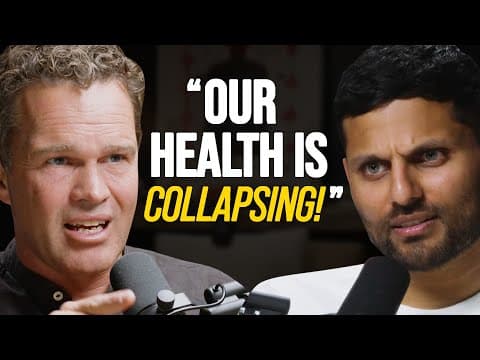
Ed Mylett ON: Watch These 37 Minutes To COMPLETELY CHANGE Your Life | Jay Shetty
TL;DR
You are often one decision, one conversation or one relationship away from changing your life, but most people believe success is far away and act in ways that keep it there. Believing in the power of one more filters opportunities into your awareness and helps you grow through pain.
Transcript
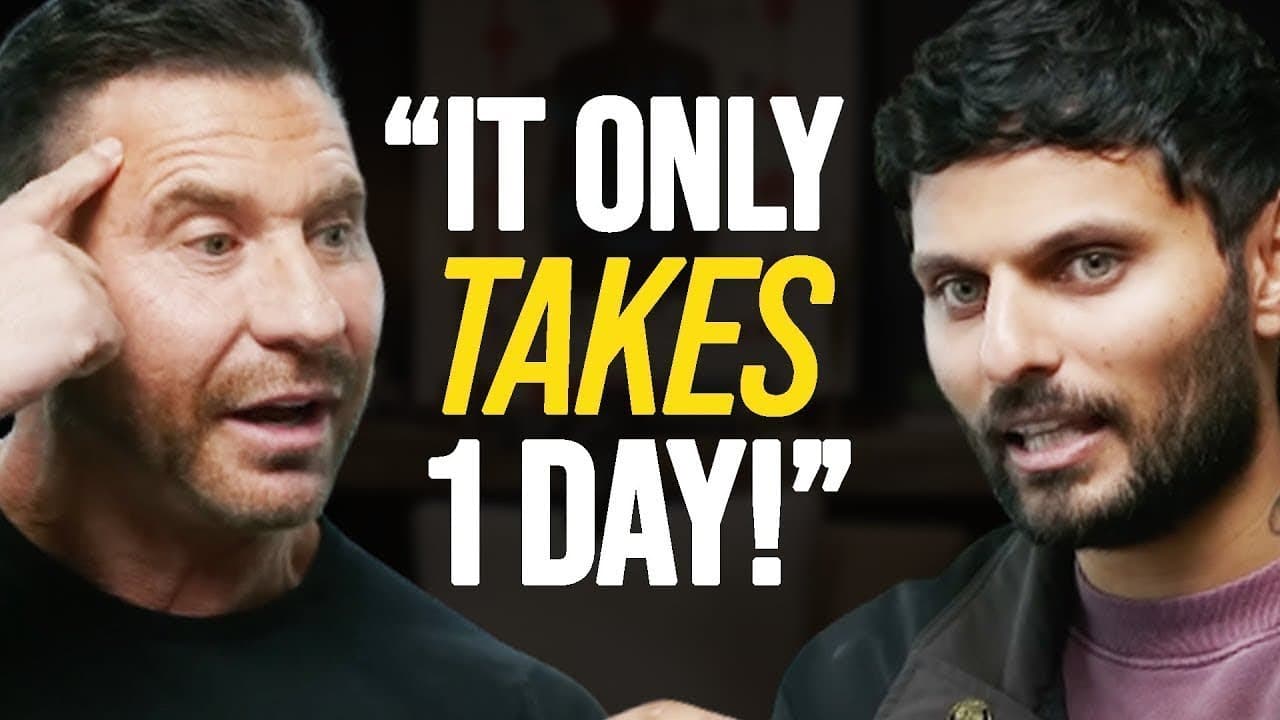
you know I think most people think Jay everyone else is going to die I'll get around to being happy I'll get around to my dreams and then it's another day and another day and they keep it in the distance you only understand the power of one day when you're threatened with never having another one the best-selling author and host the number one Heal... Read More
Key Insights
- The great lie of life is that success and happiness are far away. Ed Mylett argues the real issue is depth perception: people think their vision is distant, so they build patterns that keep it there.
- You are often one meeting, one conversation, one extra rep or one more phone call away from changing your trajectory. Every person Mylett has worked with had a single decision that shifted their path.
- Believing you are one decision or relationship away activates the reticular activating system. Mylett calls it the Matrix: your mind filters people, places and things into awareness, creating sensory acuity you did not have before.
- Focusing on how far away a goal is hides small gains. In Jay Shetty's hernia recovery, expecting full healing each morning made him miss the one percent improvement made since the day before.
- Every great thing in life is one more away, but it is also born from love. When love for people or a purpose is greater than the obstacles, you have a real shot at changing.
- Mylett's father got sober by promising only one more day at a time, and he stacked those days for the rest of his life. Sobriety was built from small repeated commitments.
- The things you are most ashamed of, such as divorce, bankruptcy or being ordinary, can be what qualify you to help others. You are most qualified to help the person you used to be.
- About 95 percent of people operate from history and memory, while about 5 percent operate from vision and imagination. Creating from imagination, as children do, frees you from being tied to results.
Install to Summarize YouTube Videos and Get Transcripts
Explore YouTube Video Summarizer or Get YouTube Transcript Extractor
Questions & Answers
Q: What is the power of one more?
The power of one more is the idea that you are always one decision, one relationship, one meeting, one conversation, one extra rep or one more phone call away from changing your life. Ed Mylett says people who changed their trajectory usually did so through a single additional step, not a massive overhaul.
Q: Why do people think success is so far away?
Ed Mylett says the problem is depth perception. People believe their vision of happiness, wealth or contribution is far away, and because they think it is distant, they create patterns and behaviors that perpetually keep it there. He calls this the great lie of life, since the real distance is often one step.
Q: How does the reticular activating system help you reach your goals?
When you wake up believing you are one decision or one relationship away, the reticular activating system filters relevant people, places and things into your awareness. Mylett calls this the Matrix and says it builds sensory acuity, like noticing your own name in a loud room, because something has become important to you.
Q: How can you notice small progress instead of focusing on how far away a goal is?
Compare yourself to yesterday instead of to the finish line. Jay Shetty describes recovering from hernia surgery and waking each day expecting to be fully healed. He missed the one percent improvements in nerve pain and flexibility because he was obsessed with how far he still had to go.
Q: How did Ed Mylett's father overcome alcoholism?
His father pulled the car over one day, crying, and said he would try to get sober one more time because he loved his son and wanted to be someone his son could be proud of. He did not promise to never drink again, only not to drink for one more day, and he stacked those days for the rest of his life.
Q: How can painful experiences become a source of purpose?
Mylett argues the hardest things in your life, such as addiction, divorce, bankruptcy or failure, can be exactly what qualify you to help others. The person who helped his father get sober had been an alcoholic himself. If you survive temporary pain, you meet another version of yourself and can help those who are where you used to be.
Q: What should you do if the power of one more does not seem to work right away?
Mylett says it fails when you are too attached to the outcome. Goals are good, but in the moment of execution you should separate from the result and be present. He suggests operating from vision and imagination, not history and memory, so a lost pitch or sales meeting does not define the next attempt.
Q: Why are children often happier than adults according to Ed Mylett?
Mylett says children have no history or memory, so they operate from imagination, dreams and vision, with no blocks or limits. At some age people build a history that becomes their operating system. He estimates about 95 percent of people operate from history and memory and about 5 percent from vision.
Summary
In this video, Jay Shetty and Ed Mylett discuss the power of one more. They talk about how we often push our dreams and happiness further away and perpetuate patterns and behaviors that prevent us from achieving them. However, they believe that we are always just one decision, one meeting, one conversation, or one new thought away from changing our lives. They emphasize the importance of taking action and constantly pushing ourselves to do one more, even in the face of failure or rejection. They also discuss the importance of operating out of vision and imagination rather than history and memory. They highlight the power of self-confidence and the need to check in with ourselves regularly to determine what matters to us now. Additionally, they touch on the idea of seasons in life and the importance of living each season well. Finally, they remind us that greatness doesn't have to be big and that we were all born to do something great with our lives.
Questions & Answers
Q: What is the power of one more according to Jay and Ed?
Jay and Ed believe that the power of one more lies in the idea that we are always just one decision, one meeting, one conversation, or one new thought away from changing our lives. It's about constantly pushing ourselves to take one more step towards our dreams and happiness, even in the face of failure or rejection.
Q: How do Jay and Ed recommend operating in life?
Jay and Ed recommend operating out of vision and imagination rather than history and memory. They explain that while most people operate out of patterns and beliefs based on their past experiences, it's important to separate from those and focus on creating a new future. By believing that we are just one more away from achieving our goals, our mind starts filtering people, places, and things into our awareness, helping us move closer to our desired outcomes.
Q: How did Ed's father inspire him to understand the power of one more?
Ed's father was an alcoholic who had tried to get sober multiple times. Ed vividly remembers a moment when his father broke down and cried, revealing that he would try to get sober one more time for Ed. This inspired Ed to understand that by giving it one more try and never quitting, one can potentially change their trajectory and create a better life. Ed's father's story taught him the importance of perseverance and never giving up on one's dreams.
Q: How did Ed's father's struggle with alcoholism qualify him to help others?
Ed explains that the things we are most ashamed of or embarrassed by often qualify us to help others who are going through similar struggles. His father's battle with alcoholism, which might have seemed like a disqualifying factor, actually made him uniquely qualified to help people who were going through the same thing. Ed believes that the hardest experiences in life are the ones that qualify us to help others, and that these experiences can be turned into a source of purpose and service.
Q: How does pain turn into purpose, according to Jay and Ed?
Jay and Ed describe how pain can transform into purpose when we use our own experiences of struggle and hardship to help others going through similar situations. They believe that the things that have broken us down and made us feel like we are losing everything can become the very things that give us back everything when we use them to serve others. By using our pain to contribute and make a positive impact, we find purpose in our lives.
Q: How did Ed's father's perspective on one more impact him?
Ed's father taught him the power of one more by emphasizing the value of each day and the importance of cherishing every moment. His father, who was battling cancer, expressed that one only truly understands the power of one day when faced with the threat of never having another one. This perspective influenced Ed to make the most of each day, cherishing his relationships and making conscious choices to embrace life.
Q: How does one ensure that their "one more" is in the right direction?
Jay and Ed highlight the importance of regularly checking in with oneself to determine what truly matters at each stage of life. They suggest asking oneself what matters now and what one wants to create in their life currently. By aligning actions and goals with the present moment and personal values, one can ensure that their "one more" is leading them in the right direction and towards their desired outcomes.
Q: How can one respond to failure or rejection when practicing one more?
Jay and Ed emphasize the importance of being detached from the outcome and focusing on being present and existing in the moment of execution. They recommend separating from the need for immediate results and instead being fully present in the process of taking action. By focusing on the journey rather than solely the outcome, one can respond to failure or rejection with resilience, perseverance, and the willingness to keep going and do one more.
Q: How does one ensure that their "one more" is contributing to their personal growth and well-being?
Jay and Ed suggest being intentional and outcome-oriented about the emotions and feelings experienced in life. They advise focusing on emotional well-being and the development of positive emotional states, rather than simply pursuing external achievements or material goals. By setting emotional standards and striving to go beyond them, one can ensure that their "one mores" are contributing to their personal growth, happiness, and overall well-being.
Q: How does Jay and Ed's concept of one more apply to people who feel they are not meant to achieve greatness?
Jay and Ed believe that everyone is born to do something great with their life. They encourage individuals who may feel inadequate or undeserving of greatness to check in with themselves and determine what their individual purpose and great contribution might be. They emphasize that greatness can manifest in various ways and is not necessarily tied to external achievements or societal standards. Each person has the potential to make a positive impact and contribute something significant in their own unique way.
Q: How does one ensure that their "one more" is not leading them further away from their goals?
Jay and Ed emphasize the importance of continuously checking in and aligning actions with personal values and priorities. They highlight the need to avoid getting caught up in chasing the wrong goals or pursuing actions that lead away from one's true purpose and desires. By regularly evaluating and reassessing one's path, individuals can make sure that their "one mores" are moving them in the right direction and aligning with their authentic self.
Takeaways
The power of one more lies in the belief that we are always just one step away from changing our lives. By constantly pushing ourselves to take one more action, we can move closer to our dreams and happiness. Operating out of vision and imagination rather than history and memory allows us to create a new future. Checking in with ourselves regularly helps us determine what matters to us now and stay aligned with our current goals and values. One must be willing to embrace discomfort and take risks to truly make progress. Greatness doesn't have to be big or externally visible; it can be found in acts of service and making a positive impact in the lives of others. It's crucial to live each season of life well and adjust our actions accordingly. Lastly, never forget that you were born to do something great with your life, and that your unique contributions matter.
Summary & Key Takeaways
-
Ed Mylett explains that the biggest lie in life is that success is far away. In truth, people are usually one decision, meeting, conversation or habit away from a changed trajectory. Mindset matters because it shapes the patterns and behaviors that either keep a vision distant or bring it close.
-
Mylett describes how believing in the power of one more activates the reticular activating system, which filters opportunities into awareness. He and Jay Shetty connect this to recovery, where focusing on the distance to healing hides the daily one percent progress that actually accumulates over time.
-
Mylett shares how his father got sober by committing to one more day at a time. He argues pain becomes purpose when you use what broke you to help people facing the same struggle, and that operating from imagination rather than history keeps you free of limits.
Read in Other Languages (beta)
Share This Summary 📚
Summarize YouTube Videos and Get Video Transcripts with 1-Click
Try YouTube Summary with ChatGPT & Claude or YouTube Transcript Generator
Explore More Summaries from Building Confidence & Overcoming Fears 📚


Summarize YouTube Videos and Get Video Transcripts with 1-Click
Try YouTube Summary with ChatGPT & Claude or YouTube Transcript Generator