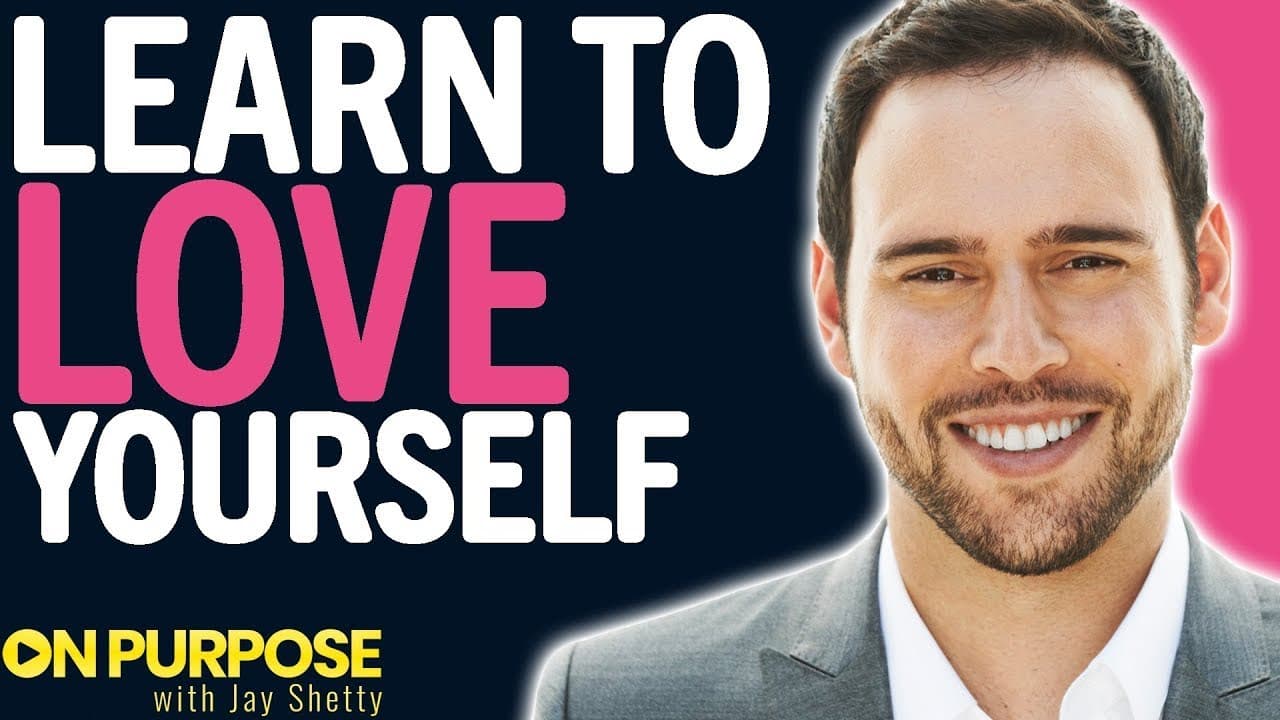
Scooter Braun ON: Self-Forgiveness & Learning to Love Yourself Unconditionally
TL;DR
Self forgiveness starts with acknowledging personal trauma and choosing to slow down for self-work. It involves staying present, honoring inner child, and continually learning as a student of life. The process includes seeking help, setting boundaries, and prioritizing inner healing over external validation.
Transcript
what happened to me in my life is statistically impossible so someone upstairs was looking out yet i wasn't showing that respect of saying i trust that you love me i trust that everything's gonna be okay giving that trust to the universe i've seen amazing miraculous things start to happen in my life you and your wife have the most amazing eyes so h... Read More
Key Insights
- Self forgiveness starts with acknowledging trauma and choosing ongoing self-work.
- COVID served as a catalyst for slowing down, reflection, and inner healing.
- The Hoffman Process is a pivotal step in uncovering and addressing past patterns.
- The speaker describes waking up each day as a chance to learn something new.
- One learns to distinguish supporting others from worshiping fame, shifting focus to service.
- A public life can mask the private self, making honesty about the real self essential.
- Giving yourself grace is crucial when confronting past patterns and mistakes.
- Trauma can be inherited, shaping responses unless consciously addressed.
- More videos from this channel:
- More from this channel: Jay Shetty Podcast
Install to Summarize YouTube Videos and Get Transcripts
Explore YouTube Video Summarizer or Get YouTube Transcript Extractor
Questions & Answers
Q: What is the Hoffman Process and why did Scooter Braun choose to do it now
The Hoffman Process is described as a transformative self work program that requires time away from phones and distractions. Scooter chose it during Covid as a gift to himself to slow down, reflect, and address deeper patterns formed in childhood and influenced by his family history. He explains it helped him reconnect with his inner child and reframe his approach to life and work, emphasizing sustained personal growth.
Q: How does Scooter Braun describe living behind the scenes versus the front lines
Scooter explains there is a behind the scenes version of himself that is different from the public persona seen in front of audiences. He emphasizes that the real work happens privately, through self-reflection and effort to heal, rather than being defined solely by public achievements or media presence. This distinction guides his current priorities and relationships.
Q: Why does the conversation stress self love and self forgiveness
The discussion centers on the idea that unconditional love starts within and is essential for authentic relationships and healthy leadership. Self forgiveness frees a person to show up more fully for others and to operate from a place of compassion rather than guilt or fear. It also enables better handling of failure and criticism.
Q: What role does slow living play in personal growth according to the interview
Slow living is framed as a deliberate choice to pause constant achievement and media exposure. It creates space for honest assessment of one’s needs, traumas, and patterns. This pause supports more intentional actions, better boundaries, and a healthier, more sustainable approach to work and life.
Q: How does the interview define true mentorship versus admiration
The interview suggests that true mentorship involves supporting and serving others rather than seeking worship or validation. It distinguishes admiration from seeking real guidance by focusing on helping others grow, learning from their journeys, and recognizing the complexity of people’s lives beyond public success.
Q: What does Scooter say about handling trauma that isn’t personally his
He notes that many traumas are inherited from previous generations and that recognizing this helps reduce self-blame. The process of addressing inherited trauma involves compassionate inquiry, awareness of patterns, and choosing healthier responses rather than repeating old cycles.
Q: What is the message about being kind to oneself when making mistakes
The message is to extend grace to oneself and to view mistakes as learning opportunities rather than defining faults. This mindset reduces harsh self-judgment, allows for growth, and supports sustained efforts toward healing and more constructive behavior.
Q: Why is it important to see public figures as complex human beings
The conversation argues that public visibility often obscures deeper personal experiences. Recognizing complexity helps audiences understand flaws and strengths alike, fostering empathy. It also encourages people to relate to others as whole persons and reduces the tendency to idolize or scapegoat.
Summary
In this video, Scooter Braun shares his personal journey of self-reflection and growth. He talks about how he went through a transformative experience at the Hoffman Process, which allowed him to confront his trauma, patterns, and insecurities. Scooter also discusses the importance of self-forgiveness, trust, and love in his life. He emphasizes the need to slow down, be present, and learn from every experience. Scooter's spiritual insights have influenced his perspective on his career and relationships, leading him to prioritize empathy, authenticity, and growth.
Questions & Answers
Q: What did Scooter learn at the Hoffman Process?
Scooter learned a lot about himself and his patterns during the Hoffman Process. He uncovered deep-rooted trauma, gained a better understanding of forgiveness and self-worth, and learned to trust in the unknown.
Q: What motivated Scooter to attend the Hoffman Process?
Scooter felt a sense of disconnection and unfulfillment in his life. He realized that he had been prioritizing external success and achievements, neglecting his own emotional well-being. He sought a deeper connection with himself and others, which led him to the Hoffman Process.
Q: How did the Hoffman Process impact Scooter's relationships?
The Hoffman Process allowed Scooter to be more present and empathetic in his relationships, particularly with his children. He became a better father and learned to value authenticity and self-compassion in both himself and others.
Q: How did Scooter's spiritual growth influence his career?
Scooter's spiritual growth has influenced his perspective on his career. He no longer sees his career as separate from his personal growth and well-being. He prioritizes empathy, authenticity, and growth in his interactions with artists and colleagues.
Q: How did Scooter's spiritual insights influence his perspective on perfection and role models?
Scooter realized that nobody is perfect, and he is no longer striving for perfection. He believes that true role models are real people who are flawed and vulnerable. He urges others to let go of the need to worship or criticize others, and instead, focus on serving and supporting each other.
Q: How does Scooter approach accountability in his personal life?
Scooter believes in being accountable to himself and the people he loves. He recognizes his flaws and actively works on self-improvement. He values accountability and is open to feedback from his loved ones.
Q: How did Scooter's spiritual growth influence his perspective on different religions?
Scooter became more open-minded and curious about different religions and spiritualities. He no longer lives in fear but instead explores other spiritualities while staying true to his own Judaism. He acknowledges that wisdom can be found in different spiritual teachings.
Q: How does Scooter navigate the pressure of being perceived as a role model?
Scooter no longer seeks to be seen as a role model. Instead, he embraces his authenticity and imperfections. He encourages others to embrace their flaws and learn from their mistakes, rather than striving for an unreachable standard of perfection.
Q: How did Scooter reclaim his true self after years of prioritizing external success?
Scooter had a realization about the spiritual version of himself that he wanted to be. He shaved his beard as a symbolic gesture of reclaiming his identity and embraced all aspects of himself. He learned to balance his priorities and put less pressure on himself.
Q: What has been the biggest takeaway of Scooter's journey of self-reflection and growth?
The biggest takeaway for Scooter has been the importance of self-forgiveness, love, trust, and empathy. He has learned to slow down, be present, and learn from every experience. He continues to embrace growth and encourages others to do the same.
Takeaways
Scooter Braun's journey of self-reflection and growth highlights the importance of self-forgiveness, love, and trust in personal and professional relationships. His spiritual insights have influenced his perspective on his career, emphasizing empathy, authenticity, and growth. Scooter encourages others to prioritize self-care, be accountable to themselves and their loved ones, and embrace their flaws and imperfections. By embracing growth and striving to be their best selves, individuals can create a positive impact on their own lives and the lives of those around them.
Summary & Key Takeaways
-
Scooter Braun discusses his path to self forgiveness through deep self work and slowing down during Covid, emphasizing that he is always a student and must honor his inner child. The conversation highlights the Hoffman Process and the value of taking time away from screens and work to heal.
-
The talk contrasts public perception with the private, behind the scenes self, stressing that many people love you without knowing the real you. It encourages serving others rather than worshiping fame and underscores the importance of compassion in handling complexity.
-
A key message is to give yourself grace and not be too hard on yourself, recognizing that trauma can be inherited and that healing is a continuous journey that requires patience, accountability, and honest reflection.
Read in Other Languages (beta)
Share This Summary 📚
Summarize YouTube Videos and Get Video Transcripts with 1-Click
Try YouTube Summary with ChatGPT & Claude or YouTube Transcript Generator
Explore More Summaries from Dating, Relationships & Love 📚




Summarize YouTube Videos and Get Video Transcripts with 1-Click
Try YouTube Summary with ChatGPT & Claude or YouTube Transcript Generator