How Is North Korea Evading Economic Sanctions?
TL;DR
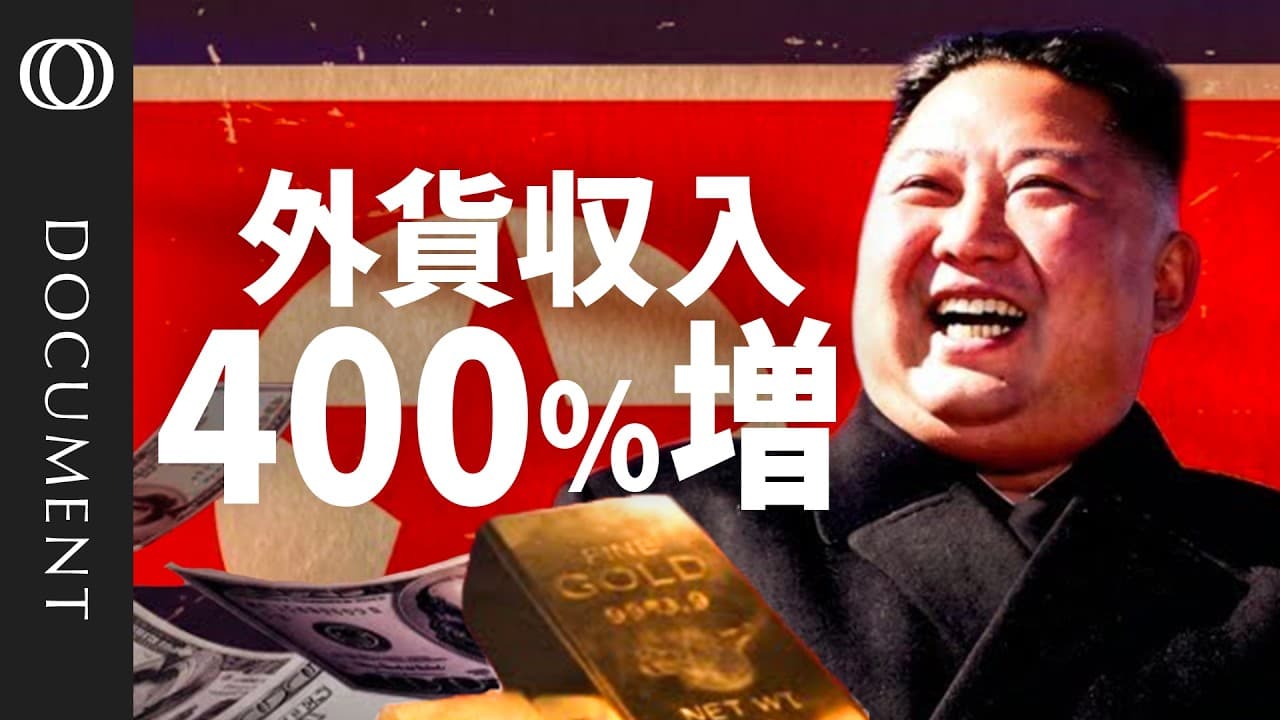
North Korea rebuilt its foreign earnings by combining arms sales to Russia, cryptocurrency theft, and trade with China. From 2022 to 2025, it may have earned as much as $22 billion abroad, nearly four times the previous four-year period, strengthening the regime’s economy, military development, diplomatic position, and prospects for continued rule.
Transcript
North Korea. It's a bit of an enigma. A sealed off society on the doorstep of a global superpower. A minuscule economy, but a nuclear arsenal that commands global attention. And despite a mountain [music] of international sanctions designed to crush it, the KM regime has begun to thrive. >> The [music] entire North Karian government is in stronger ... Read More
Key Insights
- North Korea’s government is described as being economically, militarily, and politically stronger than at any point in the past 35 years. Its recovery followed a prolonged downturn caused by strict UN sanctions and pandemic lockdowns, with rapid gross domestic product growth emerging by 2023.
- North Korea may have earned as much as $22 billion abroad between 2022 and 2025. Bloomberg Economics estimates that this was nearly four times its earnings during the previous four-year period and increased the foreign currency available to the regime by almost 60% in its strongest post-pandemic years.
- North Korea remains one of the world’s most impoverished countries despite its increased government revenue. The Bank of Korea estimates its gross domestic product at approximately $30 billion, around 60 times smaller than South Korea’s economy of roughly $1.9 trillion.
- Cryptocurrency theft is a major state-sponsored revenue source for North Korea. Its hacking organizations focus specifically on digital assets, and estimated theft exceeded $2 billion in 2025 before stolen funds were converted into currencies and moved through foreign bank accounts to purchase goods.
- North Korean hackers may account for more than 70% of global cryptocurrency theft. Private researchers estimated their share at about 30% in 2017, followed by a temporary slowdown during the pandemic and a subsequent expansion to the current estimated level.
- China is North Korea’s most important economic partner, accounting for 98% of its trade. It is the leading destination for North Korean exports, the principal source of imports, and a critical supplier of energy resources needed by the country’s economy.
- Russia’s invasion of Ukraine created North Korea’s largest new revenue opportunity. Russia’s unexpectedly rapid consumption of munitions produced demand for Soviet-era artillery that North Korea held in storage and could manufacture, generating arms-related earnings estimated at as much as $12.8 billion.
- Nuclear weapons remain central to North Korea’s strategy for regime survival. After sanctions-relief negotiations with the United States collapsed in Hanoi in 2019, Kim Jong-un accelerated nuclear production, while later geopolitical events reinforced the regime’s belief that nuclear disarmament could threaten its continued existence.
Install to Summarize YouTube Videos and Get Transcripts
Explore YouTube Video Summarizer or Get YouTube Transcript Extractor
Questions & Answers
Q: How is North Korea making money despite sanctions?
North Korea is combining several revenue channels that are difficult for sanctions to eliminate. It sells weapons and munitions to Russia, conducts state-sponsored cryptocurrency theft, and relies heavily on trade with China. These sources may have produced as much as $22 billion in foreign earnings from 2022 through 2025, nearly four times the amount earned during the preceding four years.
Q: How much foreign revenue did North Korea earn from 2022 to 2025?
Bloomberg Economics estimates that North Korea generated as much as $22 billion in foreign earnings between 2022 and 2025. That total was nearly four times greater than in the previous four-year period. In its strongest post-pandemic years, the foreign currency available to the regime increased by almost 60% compared with levels before the most restrictive sanctions.
Q: How did the Ukraine war benefit North Korea’s economy?
Russia’s invasion of Ukraine created strong demand for artillery and other munitions because Russia was using supplies faster than expected. North Korea had large inventories of Soviet-era artillery and the capacity to manufacture more. The Center for Strategic and International Studies estimates that North Korea may have earned as much as $12.8 billion from the resulting arms relationship.
Q: What does North Korea receive from Russia for weapons?
The precise composition of Russia’s payments remains unclear because compensation may include cash, goods, and technology. One cited example is North Korea’s new destroyer, which appears to use Russian technology, particularly in its air-defense equipment. That equipment likely would have cost more than $20 million and appears to have been transferred directly from Russia to North Korea.
Q: How does North Korea profit from cryptocurrency theft?
North Korea operates large state-sponsored hacking groups that specifically target cryptocurrency. The stolen digital assets are eventually converted into euros, dollars, renminbi, and other usable funds. Money can then be transferred to bank accounts primarily outside North Korea and used to buy goods for the regime. Estimated cryptocurrency theft exceeded $2 billion in 2025.
Q: Why is China important to North Korea’s economy?
China accounts for 98% of North Korea’s trade and remains both the main destination for its exports and the main source of its imports. It also supplies critical energy resources. Beijing supports North Korea within the limits of sanctions partly because it wants to avoid an economic collapse that could produce refugees and wider regional instability.
Q: Why have economic sanctions not stopped North Korea’s military buildup?
Sanctions and pandemic lockdowns caused a prolonged economic slump, but North Korea adapted by developing alternative revenue sources. Cryptocurrency theft, arms transactions with Russia, and continuing trade with China supplied new foreign currency, goods, and technology. These resources allowed the regime to expand conventional military plans while continuing to invest heavily in its nuclear weapons program.
Q: Why does North Korea consider nuclear weapons essential?
North Korea treats nuclear weapons as its strongest guarantee of regime survival. After the 2019 Hanoi talks failed to exchange sanctions relief for dismantlement of its nuclear program, Kim Jong-un accelerated weapons production. The regime also interprets attacks on countries without equivalent nuclear protection as confirmation that surrendering its arsenal could expose its government to destruction.
Summary & Key Takeaways
-
North Korea’s economy declined after strict UN sanctions and pandemic lockdowns, but began growing rapidly by 2023. Bloomberg Economics estimates that the country generated as much as $22 billion in foreign earnings between 2022 and 2025, nearly four times the total from the preceding four years, despite remaining deeply impoverished overall.
-
The largest new revenue source was North Korea’s support for Russia during the war in Ukraine. Russia needed Soviet-era artillery and other munitions, while North Korea possessed substantial inventories and production capacity. Arms transactions may have generated as much as $12.8 billion through a mixture of cash, goods, and technology transfers.
-
Cryptocurrency theft and Chinese trade provide additional economic support. North Korean hackers may now account for more than 70% of global cryptocurrency theft, with estimated theft reaching over $2 billion in 2025. China handles 98% of North Korean trade and supplies critical energy while seeking to prevent instability or economic collapse.
Read in Other Languages (beta)
Share This Summary 📚
Summarize YouTube Videos and Get Video Transcripts with 1-Click
Try YouTube Summary with ChatGPT & Claude or YouTube Transcript Generator
Explore More Summaries from TBS CROSS DIG with Bloomberg 📚


Summarize YouTube Videos and Get Video Transcripts with 1-Click
Try YouTube Summary with ChatGPT & Claude or YouTube Transcript Generator