How to express your needs in a relationship clearly
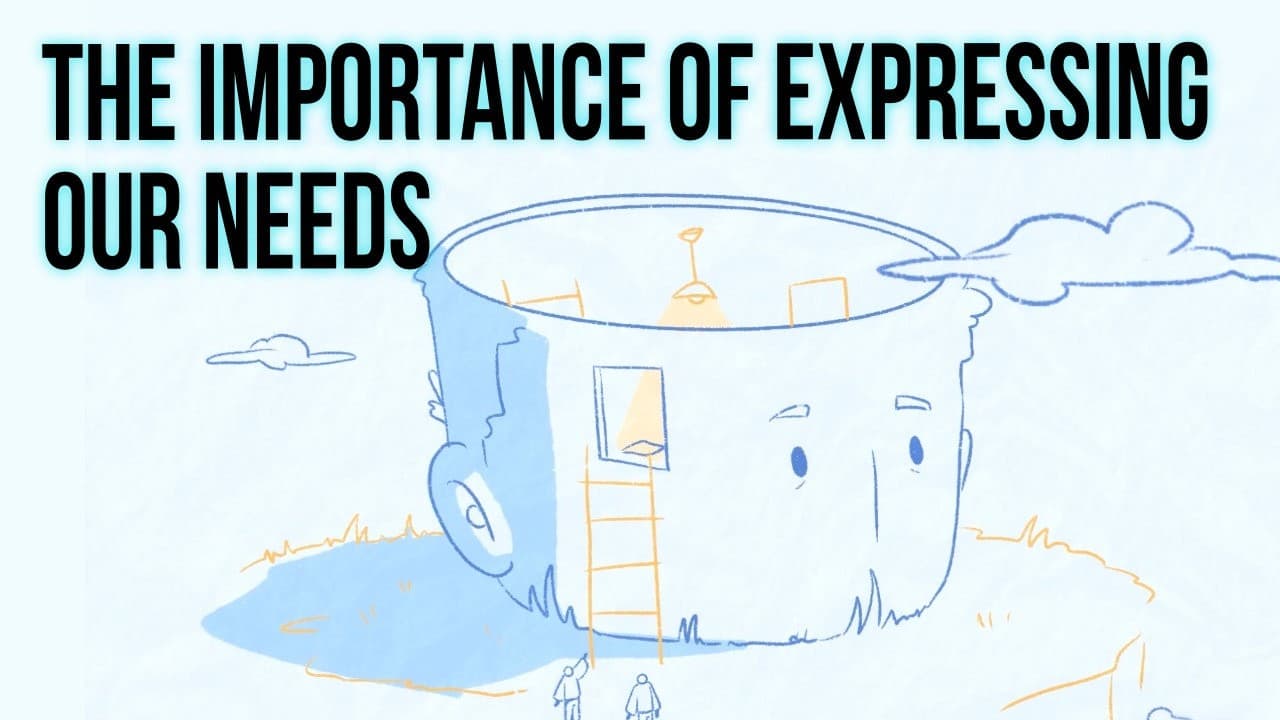
TL;DR
Expressing needs calmly and early is essential for healthy relationships. Start with reassurance, state your position with conviction, allow room for disagreement, and be prepared to step away if necessary. The goal is to be understood without blame, fostering mutual respect and ongoing closeness rather than resentment or silence.
Transcript
It's pretty tearinducing just how much can go wrong in love because we fail to master a basic sounding, hugely important skill that would probably have been in place if our childhoods had given us the right experience. That is the art of saying how we feel relatively close to when we actually feel it in a way that can be heard with gentleness and s... Read More
Key Insights
- Needs are legitimate and should be voiced early rather than kept silent, to protect relationships from irreparable harm.
- Good communication begins with reassurance that expresses care and intention to maintain connection while discussing a concern.
- Expressing a position requires thorough conviction in one’s right to speak, without demanding perfect agreement.
- Differences should be acknowledged with grace, giving space for disagreement rather than forcing conformity.
- If a conversation becomes hostile, it is crucial to pause or remove oneself to avoid ongoing harm.
- Competitions or training in handling awkward messages could improve emotional messaging and confidence in dialogue.
- There is a trend to avoid difficult topics, yet delaying such discussions increases the risk of relationship damage.
- The core enemy is not being complicated but failing to translate inner experiences into understandable words for a partner.
- More videos from this channel:
- More from this channel: The School of Life
Install to Summarize YouTube Videos and Get Transcripts
Explore YouTube Video Summarizer or Get YouTube Transcript Extractor
Questions & Answers
Q: How can I start expressing my needs without causing a confrontation?
Begin with reassurance to set a caring tone, then clearly state the issue you want to discuss. Use gentle language such as I feel and I need, while avoiding blame. This approach reduces defensiveness and helps your partner hear your perspective. It also preserves goodwill and keeps the conversation productive.
Q: What should you say if your partner disagrees with your view?
Acknowledge the difference with grace and state that you value their perspective. You do not need complete alignment to be understood, only mutual respect. Invite discussion and possible compromise, showing that disagreement can coexist with care and commitment rather than signal a break.
Q: How do you address uncomfortable topics when you still care for the person?
Lead with reassurance and express your care before outlining the concern. State your position firmly, but avoid contempt or sarcasm. Give the other person room to respond, and be prepared to listen actively, which increases the chance of a constructive outcome rather than defensiveness.
Q: What if the relationship cannot sustain your needs after speaking up?
If the other person cannot accommodate your needs with respect, it may be necessary to evaluate the relationship and consider moving on. This decision is framed as a protective measure for your well being, recognizing that staying silent preserves neither love nor self respect.
Q: What role does timing play in expressing needs?
Timing matters; address concerns relatively close to when you feel them but in a calm setting. Immediate reactions tend to be heated, while well timed conversations can preserve trust and openness. The goal is to resolve issues before they erode the relationship further.
Q: How can you present a difficult message without blaming?
Frame the message around your experience rather than blaming the other person. Use I statements, describe how you feel, and explain the impact on you. This reduces defensiveness and increases chances of understanding and collaborative problem solving.
Q: What are practical steps to practice this skill in everyday life?
Create modules for tough conversations, practice with trusted friends, and set small framing exercises like stating reassurance first, then your need, then an invitation to discuss. Over time these repetitions build a poised, confident style that improves communication under pressure.
Q: How does this skill help maintain intimacy in a relationship?
Speaking needs gently and clearly helps partners understand each other more deeply, reducing misinterpretations and resentment. When needs are articulated respectfully, intimacy can grow because both people feel seen, respected, and capable of contributing to the relationship in meaningful ways.
Summary & Key Takeaways
-
Effective emotional communication helps prevent love from cooling by speaking up about needs before problems escalate, using a gentle yet firm approach. The video outlines practical steps to phrase concerns that preserve respect and care for both partners. It emphasizes that needs are legitimate and can be shared without hostility.
-
The discussion covers a range of scenarios such as differing beliefs, close boundaries, and mismatched preferences. It offers a framework including reassurance, clear stance, and room for disagreement to maintain love while addressing issues.
-
The overall message centers on normalizing speaking honestly about intimate needs and recognizing that being oneself while being loved is possible when communication is practiced with care and clarity.
Read in Other Languages (beta)
Share This Summary 📚
Summarize YouTube Videos and Get Video Transcripts with 1-Click
Try YouTube Summary with ChatGPT & Claude or YouTube Transcript Generator