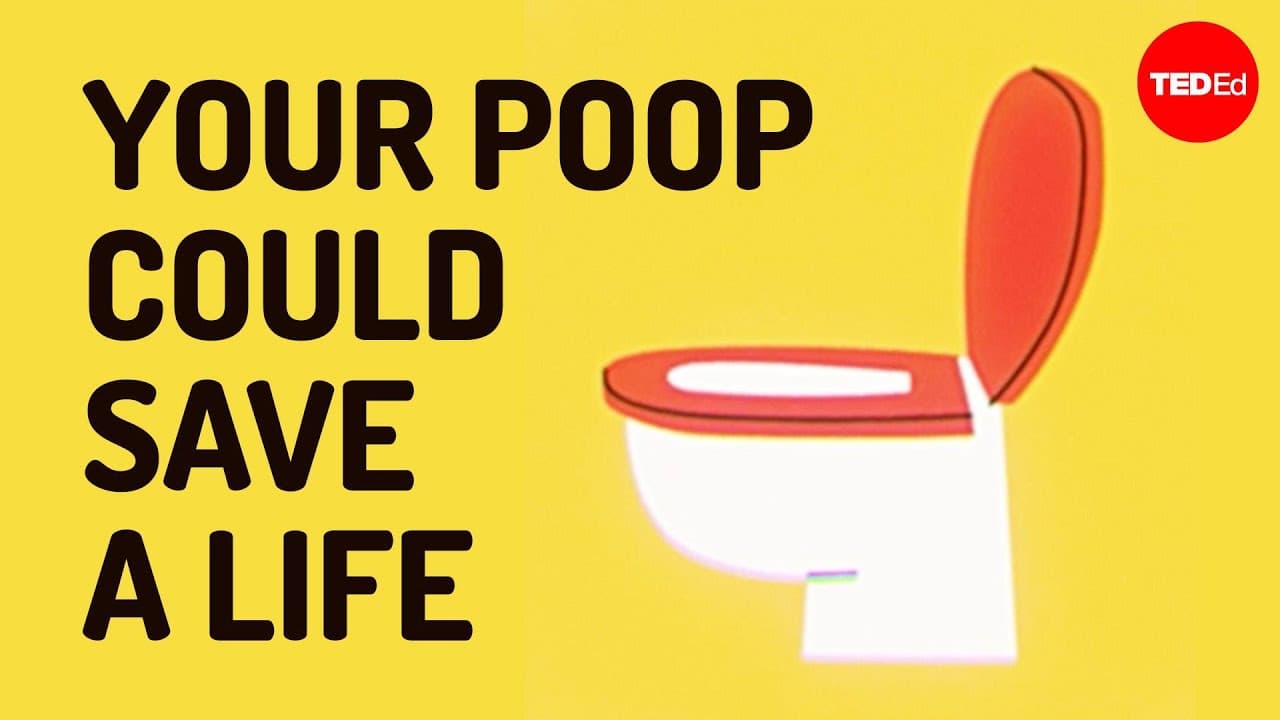
The surprising secret to a healthier gut - Kathryn M. Stephenson and David L. Suskind
TL;DR
Fecal transplants can cure gut infections by replenishing beneficial microbes, showing promise for various health conditions.
Transcript
1,700 years ago, a Chinese alchemist named Ge Hong was renowned for his special soup that could cure diarrhea-stricken patients. The stew was deep yellow, and had an intense aroma. And, like many family recipes, it had a secret ingredient. But in this case, that ingredient didn’t come from the kitchen— it came from the bathroom. It might seem unwis... Read More
Key Insights
- 💩 The history of poop-based remedies dates back to ancient Chinese alchemist Ge Hong, who created a soup to cure diarrhea.
- 🦧 Fecal microbial transplantation can reset the gut microbiome and offer promising treatments for gut infections and other health conditions.
- ❓ The FDA classifies fecal transplants as an experimental treatment due to the unique nature of microbiomes and individual stool samples.
- 🧑⚕️ Research in rodents shows fecal transplants can improve insulin resistance, anxiety, depression, and other health conditions.
Install to Summarize YouTube Videos and Get Transcripts
Explore YouTube Video Summarizer or Get YouTube Transcript Extractor
Questions & Answers
Q: How does fecal microbial transplantation benefit health?
Fecal transplants replenish beneficial microbes in the gut, aiding in digestive processes, immune function, and protection against infections. This can lead to the successful treatment of gut infections and potentially other health conditions.
Q: What is the process of fecal transplantation?
Fecal transplantation involves collecting stool samples from healthy donors, introducing them into the patient's gut via a pill or tube, and allowing the transplanted microbes to multiply and displace harmful bacteria. This process has shown high success rates in curing gut infections.
Q: Why is fecal transplantation classified as an experimental treatment?
Due to the complexity of microbiomes and individual differences in stool samples, fecal transplantation is considered an experimental treatment by the FDA. Ongoing research aims to further understand how alterations in the microbiome can impact various health disorders.
Q: What are some potential future applications of fecal transplants?
Research in rodents suggests fecal transplants can improve insulin resistance, anxiety, depression, and other health conditions. Scientists are exploring the link between gut microbiota and diseases to develop new treatment avenues.
Summary & Key Takeaways
-
Ge Hong's ancient poop-based soup was believed to cure diarrhea.
-
Fecal microbial transplantation can reset the gut microbiome effectively.
-
Research shows fecal transplants offer potential treatments for various health disorders.
Read in Other Languages (beta)
Share This Summary 📚
Summarize YouTube Videos and Get Video Transcripts with 1-Click
Try YouTube Summary with ChatGPT & Claude or YouTube Transcript Generator
Explore More Summaries from TED-Ed 📚



Summarize YouTube Videos and Get Video Transcripts with 1-Click
Try YouTube Summary with ChatGPT & Claude or YouTube Transcript Generator