Why Do People Pay for NPC TikTok Reactions?
TL;DR
NPC TikTok streams turn paid viewer icons into immediate, repeated character reactions, creating a live version of pushing a button to trigger a familiar response. The hosts view the format as extremely simple and visually intense, but they also recognize the performer’s remarkable energy, timing, and ability to keep pace with a rapid stream of prompts.
Transcript
hey welcome to the create unknown the home of make something means something we have a nice patreon crowd here if you want to join our patreon go to patreon.com the create unknown it is how we make this podcast so thank you to all of our patrons I am Kevin Lieber and with me as always is Matthew Tabor yeah it's mixed energy today isn't it so we tal... Read More
Key Insights
- NPC TikTok streaming is a live interaction format in which viewers send paid icons and a performer immediately answers each icon with a predetermined phrase, voice, or gesture. The resulting broadcast becomes a rapid sequence of repeated prompts and responses rather than a conventional conversation or narrative.
- The content’s apparent simplicity comes from its button-and-response structure. An ice cream icon produces an eating routine, corn triggers a crunchy-corn reaction, and a hot pepper changes the performer’s voice, making each viewer action resemble pressing a toy button to produce a familiar sound.
- The hosts’ criticism is based on the format’s resemblance to entertainment for infants or toddlers. Multiple visual and audible events arrive every second, creating stimulation that does not need a coherent story or argument to hold attention, at least briefly.
- The performer’s energy is a significant part of the appeal and difficulty. The hosts emphasize that maintaining the reactions at such speed would require considerable practice and would quickly exhaust them, even though they remain skeptical about the intellectual substance of the performance.
- Paid icons create a direct transactional relationship between viewers and the performer. A viewer spends money to trigger a known response, even though other viewers can send the same icon and receive the same routine, so personalization comes from initiating the action rather than receiving a unique performance.
- Viewer turnover may help explain how the stream remains engaging. The discussion suggests a constant revolving door of people could allow the same routines to feel new to incoming viewers, even if an individual audience member would not want to watch for an extended period.
- The format raises a distinction between simple content and effortless content. Although the repeated phrases appear basic, executing them live, rapidly, and without losing energy is portrayed as difficult work that many people could not sustain without training.
- The broader question is whether unfamiliar entertainment is genuinely invalid or merely reflects generational change. The hosts compare NPC TikTok with children’s media, mukbangs, Family Guy, MrBeast-style content, and earlier forms of media while considering why audiences accept different kinds of stimulation.
Install to Summarize YouTube Videos and Get Transcripts
Explore YouTube Video Summarizer or Get YouTube Transcript Extractor
Questions & Answers
Q: What is NPC TikTok content?
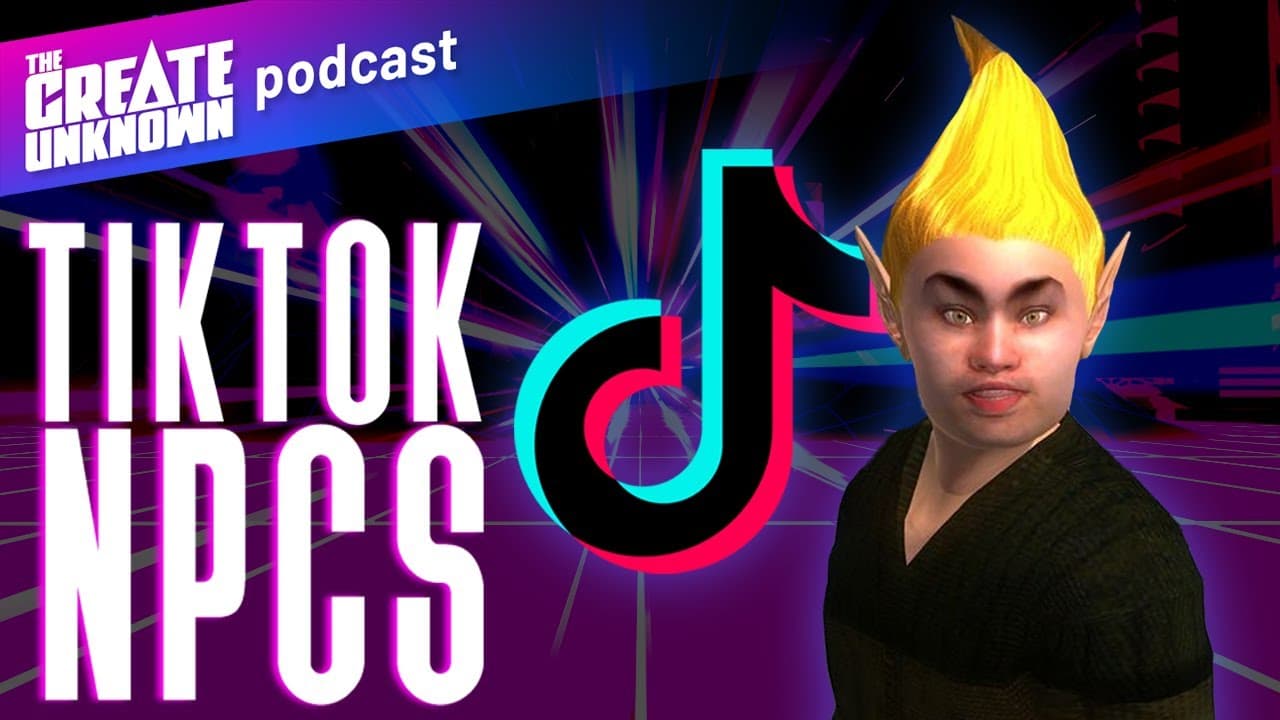
NPC TikTok content is presented as a livestream in which a performer adopts a character and responds immediately to icons sent by viewers. Each icon activates a repeated phrase, sound, gesture, or vocal effect. The example discussed features an elf-like performer reacting to ice cream, corn, hot peppers, and other gifts at high speed while the screen fills with icons and pop-ups.
Q: How do paid gifts control NPC TikTok reactions?
Viewers use TikTok’s paid credit system to send icons during the livestream. The performer associates each icon with a specific routine and performs it as soon as the gift appears. Ice cream prompts an eating response, corn produces a crunchy-corn phrase, and a hot pepper leads to a deeper voice and a comment about spiciness. The payment effectively triggers a known live reaction.
Q: Why do the hosts compare NPC TikTok to children’s content?
The hosts compare the format to children’s content because it delivers several visual and audible stimuli every second without requiring a story to make sense. They liken it to a toy where pressing a button makes a duck quack or a cow moo. In their interpretation, the fast, predictable feedback can engage viewers through movement, sound, and repetition alone.
Q: Why might viewers pay for a repeated NPC reaction?
The discussion does not establish a definitive motive, but it identifies the central attraction as direct cause and effect. A viewer sends an icon and immediately makes the performer deliver the corresponding routine. The reaction is not unique because other viewers can trigger it too, yet the paying viewer still gets the experience of activating a live response and influencing what appears on screen.
Q: Is performing an NPC TikTok livestream easy?
The hosts argue that the content may look simple but is not necessarily easy to perform. The featured creator reacts at a rapid pace while maintaining unusually high energy, consistent sounds, and immediate responses. Both hosts say they would struggle to sustain that intensity and would become exhausted quickly, concluding that the performance likely requires practice even if its underlying routines are repetitive.
Q: How long can NPC TikTok hold a viewer’s attention?
The hosts question whether one person would watch the repetitive performance for half an hour, and one says even a short exposure felt overwhelming. They also consider the possibility of a constant revolving door of viewers. Under that explanation, the stream does not need every person to remain for long because new arrivals repeatedly encounter the routine as a fresh experience.
Q: Is NPC TikTok valid entertainment or simply dumb content?
The discussion begins with the reaction that the format may be the dumbest content the hosts have seen, but it then examines what the word dumb actually means. Its simplicity, repetition, and lack of dialogue support that criticism, while its live interaction, demanding pace, and ability to attract paying viewers complicate the judgment. The episode therefore treats its legitimacy as an open question.
Q: What does NPC TikTok suggest about changing online media?
NPC TikTok suggests that online entertainment can evolve toward faster, more interactive, and more repetitive experiences. The hosts place it within a wider discussion of children’s content, mukbangs, Family Guy, MrBeast-style media, and generational change. Their comparison asks whether the format represents a decline in substance, a new form of valid entertainment, or another stage in changing audience preferences.
Summary & Key Takeaways
-
The discussion examines a TikTok livestream in which an elf-like performer responds to paid viewer icons with predetermined phrases and gestures. Ice cream, corn, hot peppers, and other gifts trigger immediate reactions. The hosts initially call the format exceptionally dumb, then begin investigating what that judgment actually means.
-
The hosts compare the stream’s rapid visual and audible stimulation to entertainment for infants or toddlers. Like a toy that produces a sound whenever someone presses a button, the performer delivers predictable responses on demand. This simplicity raises questions about the audience, viewing duration, repeat engagement, and the format’s longevity.
-
Despite criticizing the content, the hosts acknowledge that sustaining its speed and energy requires skill, stamina, and practice. They explore whether it should be dismissed or treated as valid entertainment, connecting it with children’s content, mukbangs, Family Guy, MrBeast-style media, generational change, and broader shifts in online media consumption.
Read in Other Languages (beta)
Share This Summary 📚
Summarize YouTube Videos and Get Video Transcripts with 1-Click
Try YouTube Summary with ChatGPT & Claude or YouTube Transcript Generator
Explore More Summaries from The Create Unknown 📚




Summarize YouTube Videos and Get Video Transcripts with 1-Click
Try YouTube Summary with ChatGPT & Claude or YouTube Transcript Generator