9. Virtue and Habit I
TL;DR
Habits are a tool for turning normative commitments into descriptive laws, as they allow us to act in ways that align with our desired behaviors, making it easier to cultivate virtues.
Transcript
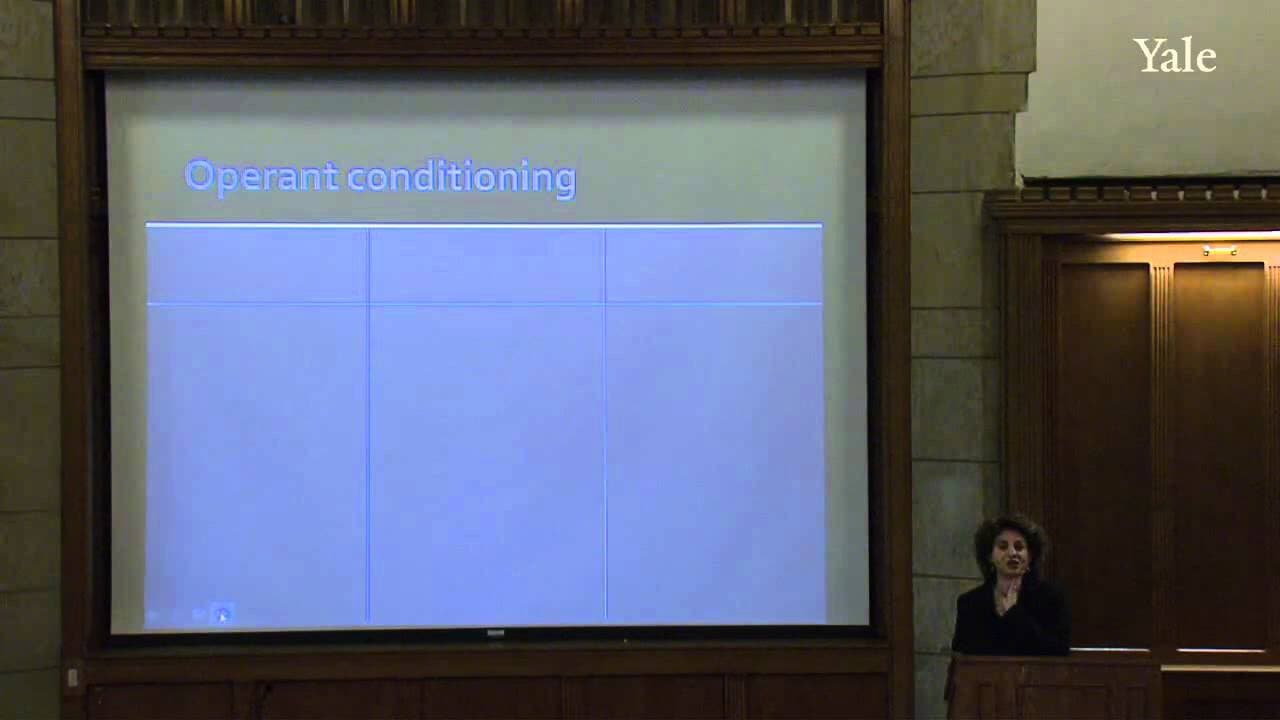
PROFESSOR: So today's lecture is about the claim that we've been exploring in the context of Aristotle's ethics, that the way to cultivate virtue is by cultivating in ourselves certain sorts of habits. And I want to start by showing you a picture of a T-shirt which was popular at MIT in the mid-'90s when my husband was a graduate student there. And... Read More
Key Insights
- 👮 Normative laws express how we should behave, while descriptive laws describe how things actually are.
- 👮 Habits are a powerful tool for shaping our behavior and turning normative commitments into descriptive laws.
- 🤩 Practice and repetition are key in cultivating virtues and turning desired behaviors into habits.
- 🤑 Reinforcement and rewards play a crucial role in increasing the occurrence of desired behaviors and reducing the occurrence of undesired ones.
- ♻️ Our environment and antecedents can influence the likelihood of certain behaviors occurring.
Install to Summarize YouTube Videos and Get Transcripts
Explore YouTube Video Summarizer or Get YouTube Transcript Extractor
Questions & Answers
Q: What is the difference between normative and descriptive laws?
Normative laws tell us how we should behave and align with our beliefs about the way things ought to be. Descriptive laws, on the other hand, describe how things actually are and allow us to make predictions based on past experiences.
Q: How do habits play a role in cultivating virtues?
Habits are a way of turning normative commitments into descriptive laws by repeating certain actions over and over. By acting as if we already possess the virtues we want to cultivate, we make it easier for those behaviors to become ingrained and natural to us.
Q: Can habits be used to reinforce undesired behaviors?
Yes, habits can reinforce both desired and undesired behaviors. It is important to be aware of the consequences and reinforcements that are associated with our actions and modify them accordingly to cultivate the behaviors we want.
Q: How can we break negative habits or reinforce positive ones?
Breaking negative habits or reinforcing positive ones can be achieved by structuring our experiences and environment in a way that makes the desired behaviors more accessible and rewarding. It can also involve identifying and removing reinforcers that are associated with negative habits.
Summary & Key Takeaways
-
Normative laws dictate how we should behave, while descriptive laws describe how things actually are.
-
Habits are a way to bridge the gap between normative and descriptive laws, as they allow us to act in certain ways repeatedly, making them natural to us.
-
By recognizing the connection between our desired behaviors and the actions we take, we can cultivate virtues and shape our behavior through practice.
Read in Other Languages (beta)
Share This Summary 📚
Summarize YouTube Videos and Get Video Transcripts with 1-Click
Try YouTube Summary with ChatGPT & Claude or YouTube Transcript Generator
Explore More Summaries from YaleCourses 📚




Summarize YouTube Videos and Get Video Transcripts with 1-Click
Try YouTube Summary with ChatGPT & Claude or YouTube Transcript Generator