How to learn hockey with Cole Caufield today
TL;DR
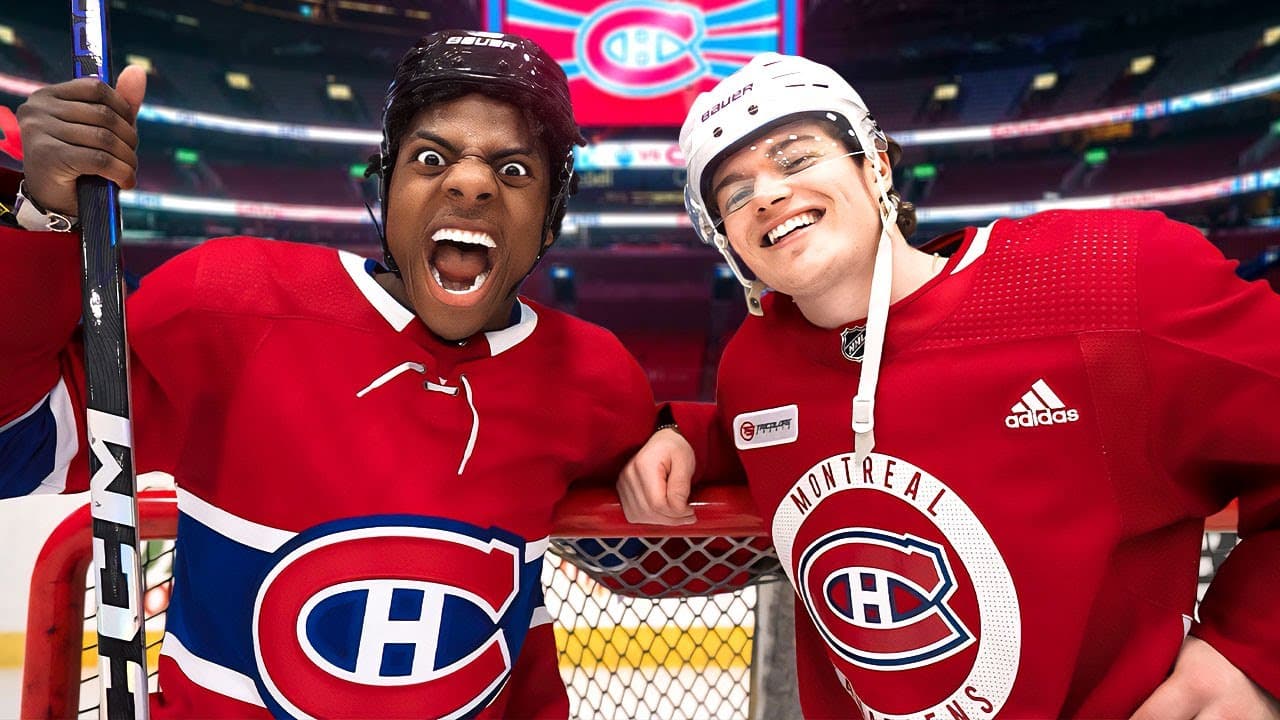
Hockey basics are learned by balancing on skates, pushing off with each leg, and practicing stick control. The video shows trying ice skating, a one-vs-one drill, and a first goal during a light teaching session with Cole Caufield. It emphasizes patient practice and recognizing progress over time.
Transcript
Co what's up brother my God CO's on fire on fire my boy coold cof man this is the guy who's going to teach me how to play hockey man the reason why I'm doing these type of videos cuz like I want to tap into you know other sports I want to do everything I want to be the the world best Dart swimmer we going to start off with hockey let's get straight... Read More
Key Insights
- Hockey learning starts with basic skating balance and confidence on the ice.
- The stick handling and shooting progress is shown through guided practice and one on one drills.
- Push off each leg is highlighted as a core movement for speed and control on skates.
- Falling is treated as a normal step in learning and recovery is emphasized.
- A one versus one drill tests speed, control, and strategic movement with a partner.
- Positive feedback and encouragement come from Cole Caufield, reinforcing incremental skill gains.
- First goal or header acts as a milestone, motivating further practice and improvement.
- The video communicates that becoming proficient in hockey blends skating, puck handling, and game sense.
- More videos from this channel:
- More from this channel: IShowSpeed
Install to Summarize YouTube Videos and Get Transcripts
Explore YouTube Video Summarizer or Get YouTube Transcript Extractor
Questions & Answers
Q: How do you start learning hockey on ice for beginners
Begin by getting comfortable standing and moving on ice, then practice pushing off with each leg to gain forward momentum. Work on basic balance, low center of gravity, and controlled gliding while keeping knees bent. Add a simple stick handling drill to coordinate hands and feet, progressing as comfort grows.
Q: What is the role of a coach in early hockey training
A coach provides structured guidance, demonstrates proper form for skating and stick handling, and offers real time feedback to correct posture and technique. They introduce drills that build confidence, track progress, and ensure safety on the ice, gradually increasing difficulty as the learner gains skill and balance.
Q: What should beginners focus on before attempting complex moves
Focus on static balance, controlled gliding, and basic leg pushes to build endurance and speed gradually. Mastering simple passes and receiving passes with soft hands is essential before attempting powerful shots. Comfort with stopping and turning safely is a prerequisite for harder drills.
Q: How does one use a one on one drill in early hockey learning
One on one drills pair you with a partner to practice puck control, shielding, and quick decision making under pressure. Start with slow speed to emphasize technique, then gradually increase pace. The drill helps develop anticipation, positioning, and execution of simple plays in a game-like setting.
Q: What is the significance of a first goal in learning hockey
A first goal marks a tangible milestone that validates the learner’s progress and reinforces confidence. It serves as motivation to continue practicing core skills such as skating, stick handling, and shot accuracy. Celebrating milestones helps maintain enthusiasm over a lengthy skill development process.
Q: How important is fall recovery in hockey training
Falling is an expected part of learning on ice, and how you recover matters as much as the fall itself. Emphasizing getting back on your feet quickly prevents fear from hindering progress. Proper body positioning, bending knees, and maintaining balance help minimize injury and speed up return to practice.
Q: What balance of sports can help accelerate hockey learning
Cross training in related physical activities like running, jumping, or balance boards can improve agility, leg strength, and coordination. Drills that simulate quick direction changes and hand-eye coordination from other sports transfer to hockey skills, speeding up mastery on the ice.
Q: What mindset helps beginners when learning hockey with a pro
A growth mindset helps beginners stay curious, embrace feedback, and view mistakes as learning opportunities. Observing professional cues, practicing consistently, and celebrating incremental improvements builds confidence. Patience and persistence are key, as proficiency emerges through repeated, focused practice with guidance.
Summary & Key Takeaways
-
The video demonstrates initial hockey basics including skating, balance, and basic stick handling, framed by a light coaching session with a pro player. Viewers see how simple movements scale into more controlled actions on the ice.
-
A key moment is the first header attempt and the drive to improve through repetition, which marks the learning curve and motivation to continue practicing hockey.
-
The overall takeaway is that learning hockey requires multi-sport coordination, willingness to fall and recover, and consistent practice with feedback from a skilled player.
Read in Other Languages (beta)
Share This Summary 📚
Summarize YouTube Videos and Get Video Transcripts with 1-Click
Try YouTube Summary with ChatGPT & Claude or YouTube Transcript Generator
Explore More Summaries from IShowSpeed 📚

Summarize YouTube Videos and Get Video Transcripts with 1-Click
Try YouTube Summary with ChatGPT & Claude or YouTube Transcript Generator