Why Can't You Change Your Life? Uncovering the Truth
TL;DR
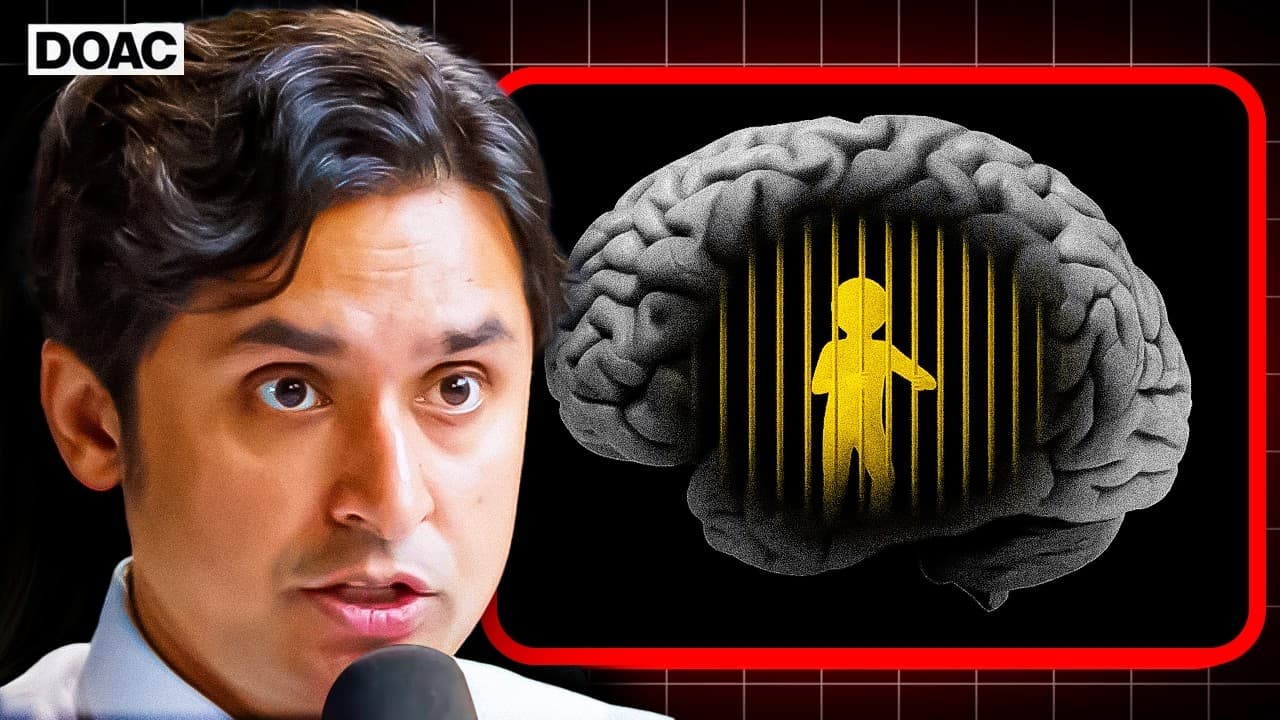
True change in life requires confronting deep-rooted trauma rather than seeking external success. Healing is about addressing emotional wounds and increasing self-awareness, as these factors shape one's identity and future. Awareness, not just action, is the key to unlocking personal growth and healing from trauma.
Transcript
no amount of fixing your life will make that kid go away right so like when I work with people who are I see you smiling so like when I work with people who' have been traumatized they will build amazing lives but they still carry that kid with them and the kid will come out at times there'll be particular times where if I'm... Read More
Key Insights
- Trauma leaves lasting scars, and no amount of success or external achievements can erase the underlying wounds. Healing involves addressing these deep-seated issues directly.
- People often adapt to trauma by developing coping mechanisms, such as becoming invisible or overly successful, which may not address the root cause of their pain.
- The misconception that building a successful life can heal trauma is common. True healing requires going back to the origin of the trauma and addressing it directly.
- Our consciousness contains dormant pieces that activate in specific situations, often triggered by past trauma. Recognizing these triggers is crucial for healing.
- Identity is formed through emotional experiences, and changing a negative identity requires accessing and processing these emotions.
- Awareness is a powerful tool for healing. By increasing self-awareness, individuals can gain control over their internal struggles and begin to address their trauma.
- Society often emphasizes action as a solution to problems, but awareness and understanding of one's internal drives are more effective for personal growth.
- True healing involves learning to sit with oneself, embracing stillness, and allowing the mind to process emotions without turning it into another goal or achievement.
Install to Summarize YouTube Videos and Get Transcripts
Explore YouTube Video Summarizer or Get YouTube Transcript Extractor
Questions & Answers
Q: What is the common misconception about healing trauma?
A common misconception about healing trauma is that achieving external success or building a successful life can erase deep-seated wounds. However, true healing requires addressing the trauma directly and understanding that success and trauma are independent of each other.
Q: How do people adapt to trauma according to Dr. K?
People adapt to trauma by developing coping mechanisms that help them navigate their pain. For instance, some may become invisible to avoid attention, while others may strive for success as an antidote to shame. These adaptations, however, do not address the root cause of the trauma.
Q: What role does identity play in healing trauma?
Identity plays a crucial role in healing trauma. It is formed through emotional experiences, and changing a negative identity requires accessing and processing these emotions. Without emotional awareness, it is challenging to alter one's self-perception and heal from past trauma.
Q: Why is awareness important in the healing process?
Awareness is vital in the healing process because it allows individuals to understand their internal struggles and drives. By increasing self-awareness, people can begin to address their trauma effectively, as awareness helps in identifying triggers and understanding one's emotional responses.
Q: What is the problem with focusing solely on action for healing?
Focusing solely on action for healing is problematic because it overlooks the importance of awareness and understanding one's internal drives. Society often emphasizes action as a solution, but true healing involves self-awareness and addressing the root causes of trauma rather than just external achievements.
Q: How does trauma affect consciousness according to Dr. K?
Trauma affects consciousness by creating dormant pieces that activate in specific situations, often triggered by past experiences. These triggers can bring back the emotional pain associated with the trauma, highlighting the importance of recognizing and addressing these triggers for effective healing.
Q: What is the relationship between emotions and identity?
Emotions and identity are closely linked, as identity is formed through emotional experiences. To change a negative identity, one must access and process these emotions. Emotional awareness is crucial for altering self-perception and healing from past trauma.
Q: What is Dr. K's suggestion for starting the healing process?
Dr. K suggests starting the healing process by embracing stillness and allowing oneself to sit with their thoughts and emotions. This involves avoiding turning stillness into another goal or achievement and instead focusing on self-awareness and understanding one's internal environment to address trauma effectively.
Summary & Key Takeaways
-
Healing from trauma is a complex process that requires addressing the root causes rather than merely achieving external success. Deep-seated wounds persist unless directly confronted.
-
Identity formation is deeply tied to emotional experiences. To change a negative self-identity, one must access and process these emotions, as awareness plays a crucial role.
-
Awareness, rather than action, is key to healing. By increasing self-awareness, individuals can understand their internal drives and begin to address their trauma effectively.
Read in Other Languages (beta)
Share This Summary 📚
Summarize YouTube Videos and Get Video Transcripts with 1-Click
Try YouTube Summary with ChatGPT & Claude or YouTube Transcript Generator
Explore More Summaries from The Diary Of A CEO Clips 📚





Summarize YouTube Videos and Get Video Transcripts with 1-Click
Try YouTube Summary with ChatGPT & Claude or YouTube Transcript Generator