How can Stoic advice reduce anxiety today?
TL;DR
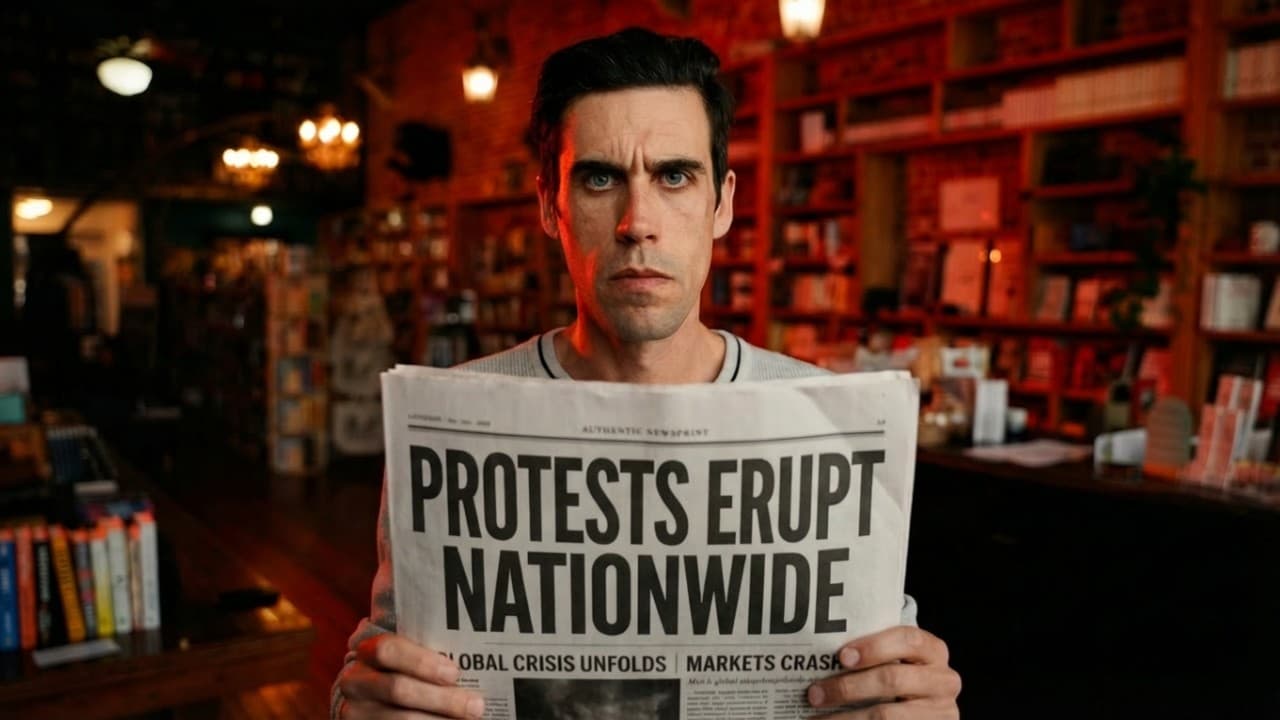
Stoicism teaches that you cannot control events, only your response. By focusing on what you can influence, reducing unnecessary news, and choosing virtue over anger, you can lower anxiety and grow resilience in difficult times. The obstacle is the way, pain is chosen, and challenging people become tests to practice patience and forgiveness.
Transcript
You're never going to be able to escape pain and suffering in this life. It is inevitable. It is unavoidable. It is a fact of life. That life is hard. That it challenges us. That it throws things at us. This is not new. Imagine what it was like to live in ancient Greece or ancient Rome. Epictitus spends 30 years of his life in slavery. Senica lives... Read More
Key Insights
- Events outside your control, such as politics or chaos, do not determine your peace; your response is what matters and shapes your experience.
- Choose focus on what you can influence, avoiding needless distractions and sensationalism that amplify fear and overwhelm.
- Pain and hardship are inevitable, but the way you frame and respond to them determines your level of suffering and resilience.
- Obstacles become opportunities to practice virtue, turning irritations from others into exercises of patience and forgiveness.
- Moral self-governance matters more than external circumstances, as you decide who you are in response to events.
- You can avoid perpetual negativity by not letting others’ actions define your mood or moral character.
- The mind can amplify pain through rumination; reframing thoughts reduces unnecessary suffering and preserves energy for constructive action.
- Engaging with others ethically and generously, even when they are difficult, strengthens character and social harmony.
- More videos from this channel:
- More from this channel: Daily Stoic
Install to Summarize YouTube Videos and Get Transcripts
Explore YouTube Video Summarizer or Get YouTube Transcript Extractor
Questions & Answers
Q: What is the simplest summary of Stoic advice for anxiety
Stoic advice for reducing anxiety centers on recognizing that you cannot control external events, but you can control your responses. By narrowing focus to what you can influence, avoiding overexposure to negative news, and choosing virtuous actions over reactivity, you create steadiness. This approach lowers rumination, reduces fear, and builds resilience over time.
Q: How should you view difficult people according to the video
The video suggests viewing difficult people as tests that help you practice virtue rather than as sources of harm. By maintaining patience, offering forgiveness, and staying true to your values, you respond without becoming cruel or hostile. This reframes interactions as opportunities to strengthen character.
Q: What does the phrase the obstacle is the way mean in this Stoic context
In this context the obstacle is the way means that challenges reveal what you are capable of becoming. You choose how to respond, and by facing adversity with deliberate, virtuous action you transform problems into paths for growth. The focus is on conduct, not avoidance.
Q: Why is avoiding rumination important, and how is it achieved
Avoiding rumination is important because repeated mental rehearsals of worst cases add unnecessary suffering. It is achieved by interrupting negative thought loops, reframing the situation, and deciding to act in line with your values rather than dwelling on injustice or fear. This preserves energy for constructive steps.
Q: What role does control play in a Stoic approach to current events
Control plays a central role: you cannot control global events but you can control your judgments, interpretations, and responses. By directing attention to controllable actions and choosing a rational path, you maintain inner stability even when the outside world is unstable.
Q: How can one apply Stoic practice to modern anxiety
To apply Stoic practice, identify what you can influence, reduce exposure to sensational stimuli, and commit to consistent, virtuous actions despite external chaos. Practice morning and evening reflections on how you behaved and how you could improve, reinforcing resilience and reducing reactive stress.
Q: What does the video say about revenge and aggressive emotions
The video counsels against letting anger turn you into what harms you, portraying revenge as counterproductive. Instead, it advocates mastering emotions, acting with integrity, and using difficult interactions as chances to practice self-control and forgiveness, thereby strengthening character.
Q: How can one find meaning in tough times according to Stoicism
Meaning arises from choosing how you respond to hardship. By focusing on virtuous actions, helping others where possible, and contributing positively, you create purpose even amid chaos. This shift from victimhood to purposeful agency builds resilience and a sense of progress.
Summary & Key Takeaways
-
Stoicism offers a path to resilience by focusing on controllable actions rather than uncontrollable events, helping you manage anxiety and stress in chaotic times.
-
The core idea is to treat obstacles and difficult people as opportunities to practice virtue, including patience, forgiveness, and disciplined response rather than impulsive reactions.
-
By aligning daily actions with rational values, you build steadiness, reduce rumination, and maintain decency even when the external world feels unpredictable.
Read in Other Languages (beta)
Share This Summary 📚
Summarize YouTube Videos and Get Video Transcripts with 1-Click
Try YouTube Summary with ChatGPT & Claude or YouTube Transcript Generator
Explore More Summaries from Daily Stoic 📚


Summarize YouTube Videos and Get Video Transcripts with 1-Click
Try YouTube Summary with ChatGPT & Claude or YouTube Transcript Generator