How Does IBS Affect Bowel Habits?
TL;DR
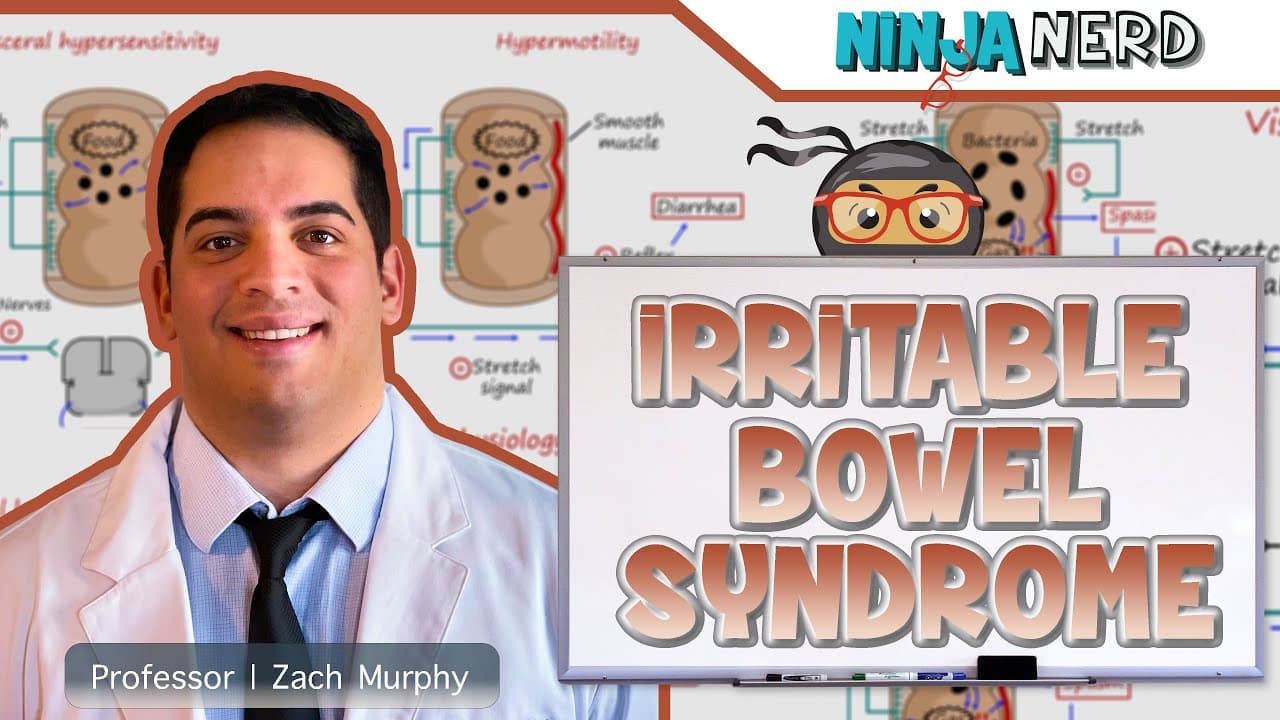
Irritable Bowel Syndrome (IBS) involves altered bowel habits and abdominal pain, often triggered by carbohydrate-rich foods. The condition is linked to visceral hypersensitivity, hypermotility, and altered gut microbiome. Diagnosis is clinical, using the Rome IV criteria, and treatment includes dietary changes, medications, and psychological therapies.
Transcript
what's up Ninja nerds in this video today we're going to be talking about irritable bow syndrome also referred to as IBS this is part of our clinical medicine section if you guys like this video you understand the topic after watching it please support us you can do that by hitting the like button commenting down the comment section and subscribing... Read More
Key Insights
- IBS is a functional gastrointestinal disorder characterized by abdominal pain and altered bowel habits without an organic cause.
- Visceral hypersensitivity in IBS may be linked to psychiatric disorders like depression and anxiety, leading to amplified pain signals.
- Carbohydrates can trigger IBS symptoms by pulling water into the bowel, causing distension and activating stretch receptors.
- Hypermotility in IBS results in increased bowel contractions, potentially leading to diarrhea as the bowel contents move too quickly.
- An altered gut microbiome in IBS may produce excess gas, contributing to bowel distension and symptom exacerbation.
- Diagnosis of IBS relies on the Rome IV criteria, which includes recurrent abdominal pain and changes in bowel habits.
- Dietary modifications, such as the FODMAP diet, can help manage IBS symptoms by reducing gas-producing foods.
- Pharmacotherapy for IBS may include antispasmodics, tricyclic antidepressants, and specific treatments for constipation or diarrhea.
Install to Summarize YouTube Videos and Get Transcripts
Explore YouTube Video Summarizer or Get YouTube Transcript Extractor
Questions & Answers
Q: How is Irritable Bowel Syndrome diagnosed?
Irritable Bowel Syndrome (IBS) is diagnosed clinically using the Rome IV criteria. This involves recurrent abdominal pain occurring at least one day per week for three months, coupled with two of the following: pain related to defecation, changes in stool frequency, or changes in stool appearance. A thorough evaluation is required to exclude other causes.
Q: What triggers IBS symptoms?
IBS symptoms are often triggered by carbohydrate-rich foods, which pull water into the bowel and cause distension. This activates stretch receptors, leading to visceral hypersensitivity and pain. Other triggers include stress and certain psychiatric disorders, which can amplify pain signals and contribute to symptom severity.
Q: What role does the gut microbiome play in IBS?
The gut microbiome in IBS may be altered, leading to increased gas production from carbohydrate metabolism. This excess gas contributes to bowel distension and symptom exacerbation. An imbalance in gut bacteria may also affect bowel habits and pain perception, making the microbiome a target for dietary and therapeutic interventions.
Q: How does hypermotility affect IBS patients?
Hypermotility in IBS patients results in increased contractions of the bowel, which can lead to diarrhea as the bowel contents move too quickly for proper absorption. This excessive motility is often triggered by food intake and can worsen abdominal pain, making it a key target for treatment with antispasmodic medications.
Q: What is the FODMAP diet and how does it help IBS?
The FODMAP diet is a dietary approach that reduces the intake of fermentable carbohydrates, which can produce gas and cause bowel distension in IBS patients. By minimizing these foods, the diet aims to reduce symptoms like bloating, pain, and altered bowel habits, making it an effective management strategy for many individuals with IBS.
Q: What medications are used to treat IBS?
Medications for IBS include antispasmodics like dicyclomine and hyoscyamine, which reduce bowel contractions and pain. Tricyclic antidepressants may help decrease visceral hypersensitivity. Treatments for constipation include laxatives like polyethylene glycol, while diarrhea may be managed with loperamide, targeting specific symptoms to improve patient outcomes.
Q: Why is visceral hypersensitivity significant in IBS?
Visceral hypersensitivity is significant in IBS as it involves an exaggerated pain response to bowel distension, often linked to psychiatric conditions like anxiety and depression. This hypersensitivity amplifies pain signals, contributing to the characteristic abdominal pain of IBS, and is a target for therapies aimed at reducing pain perception.
Q: How can psychological therapies aid in managing IBS?
Psychological therapies, such as cognitive-behavioral therapy, can aid in managing IBS by addressing stress and anxiety, which are known to exacerbate symptoms. These therapies help patients develop coping strategies, reduce stress-related symptom triggers, and improve overall quality of life, complementing dietary and pharmacological treatments for IBS.
Summary & Key Takeaways
-
Irritable Bowel Syndrome (IBS) is a disorder marked by abdominal pain and changes in bowel habits, often triggered by carbohydrate-rich foods. The pathophysiology involves visceral hypersensitivity, hypermotility, and an altered microbiome, leading to symptoms like diarrhea and pain. Diagnosis is clinical, using the Rome IV criteria, and treatment includes dietary changes and medications.
-
The Rome IV criteria for diagnosing IBS require recurrent abdominal pain for at least one day per week over three months, alongside changes in stool frequency or appearance. Management strategies focus on avoiding triggers, such as certain foods, and using medications to address specific symptoms like constipation or diarrhea.
-
Visceral hypersensitivity in IBS may be linked to psychiatric disorders, amplifying pain signals in response to bowel distension. Hypermotility leads to increased bowel contractions and diarrhea, while an altered microbiome produces excess gas, exacerbating symptoms. Treatment includes the FODMAP diet, antispasmodics, and psychological therapies.
Read in Other Languages (beta)
Share This Summary 📚
Summarize YouTube Videos and Get Video Transcripts with 1-Click
Try YouTube Summary with ChatGPT & Claude or YouTube Transcript Generator
Explore More Summaries from Ninja Nerd 📚


Summarize YouTube Videos and Get Video Transcripts with 1-Click
Try YouTube Summary with ChatGPT & Claude or YouTube Transcript Generator