What Are Effective Tools for Stress Management?
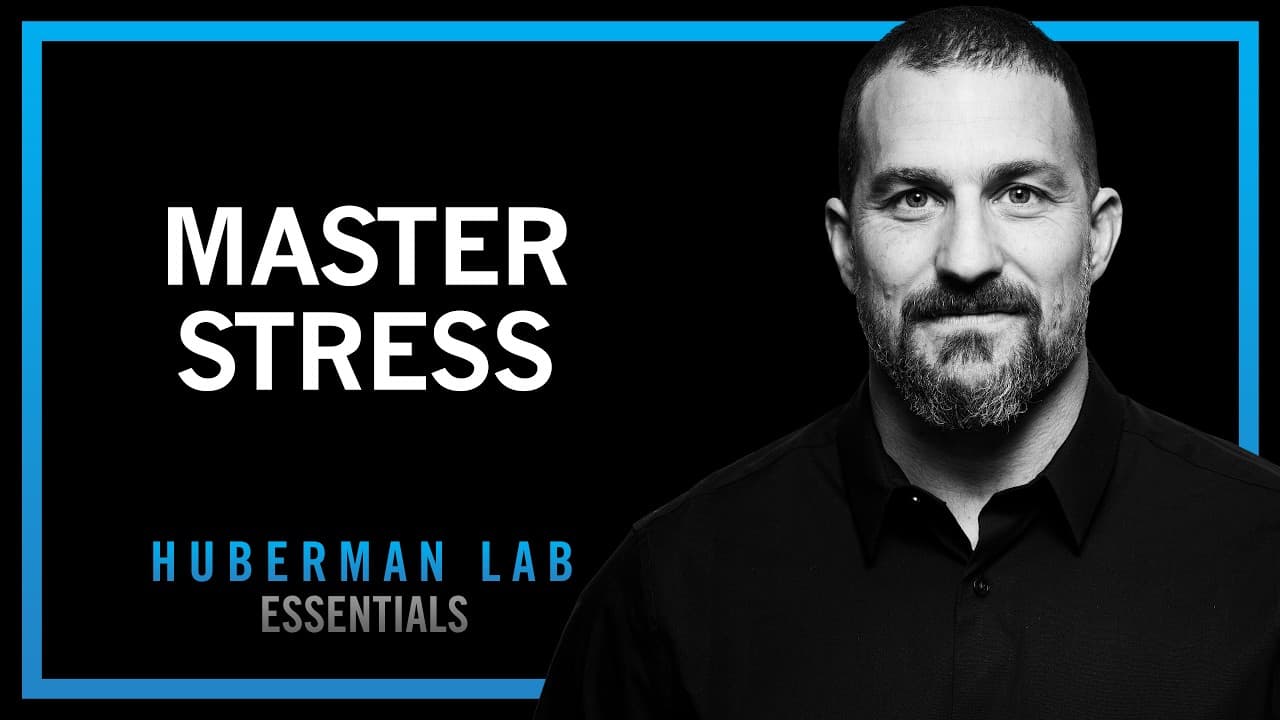
TL;DR
Effective tools for managing stress include techniques like the physiological sigh, which utilizes controlled breathing to quickly calm the nervous system. Understanding the mechanisms of stress can help improve emotional well-being and enhance coping strategies, especially through social connections and the use of supplements like L-theanine and ashwagandha.
Transcript
welcome to hubman Labb Essentials where we revisit past episodes for the most potent and actionable science-based tools for mental health physical health and performance I'm Andrew huberman and I'm a professor of neurobiology and Opthalmology at Stanford School of Medicine today's episode is going to be all about the science... Read More
Key Insights
- Stress is a generalized system designed to mobilize brain and body systems, not just a response to threats.
- The physiological sigh, a breathing technique, can rapidly reduce stress by balancing the nervous system.
- Acute stress can boost the immune system, enhancing focus and cognition in short bursts.
- Deliberate hyperventilation can mimic stress responses, potentially combating infections by releasing adrenaline.
- Medium-term stress management involves raising stress thresholds through controlled exposure to stressors.
- Long-term stress should be avoided; social connections and serotonin play crucial roles in stress mitigation.
- Supplements like L-theanine and ashwagandha can aid in reducing stress, but should be used cautiously.
- Understanding stress mechanisms allows better application of tools to control stress and improve emotional well-being.
Install to Summarize YouTube Videos and Get Transcripts
Explore YouTube Video Summarizer or Get YouTube Transcript Extractor
Questions & Answers
Q: What is the physiological sigh and how does it help with stress?
The physiological sigh is a breathing technique involving a double inhale followed by an extended exhale. It rapidly reduces stress by activating the parasympathetic nervous system, which calms the body. This method is grounded in neuroscience, leveraging the relationship between breathing patterns and heart rate to manage stress effectively.
Q: How does acute stress benefit the immune system?
Acute stress can temporarily enhance the immune system by releasing adrenaline, which mobilizes immune cells to combat infections. This short-term stress response sharpens focus and cognition, preparing the body to tackle immediate challenges. However, it is crucial to manage stress to prevent it from becoming chronic, which can be harmful.
Q: What role does social connection play in stress management?
Social connection is vital for mitigating long-term stress. Interactions with trusted individuals release serotonin, a neuromodulator that enhances well-being and supports immune function. Building relationships and finding delight in social interactions can significantly reduce stress and improve overall mental health.
Q: What are the potential benefits and cautions of using L-theanine for stress?
L-theanine, an amino acid, can promote relaxation and reduce stress by increasing GABA levels in the brain. It aids in transitioning to sleep and enhances sleep depth. However, it's essential to ensure its safety for individual use, as it may not be suitable for everyone. Consulting a healthcare provider is advisable.
Q: How can one raise their stress threshold for medium-term stress?
Raising the stress threshold involves controlled exposure to stressors, allowing the body to adapt. Techniques include high-intensity exercise or cold exposure, where the heart rate increases. The key is to maintain a calm mind while the body is activated, training oneself to handle stress more effectively over time.
Q: What is the impact of long-term stress on the body?
Long-term stress can lead to serious health issues, including heart disease, due to prolonged adrenaline release. It disrupts sleep and impacts immune function. Managing stress through lifestyle changes, social connections, and potentially supplements is crucial to prevent chronic stress and maintain health.
Q: Why is melatonin supplementation not recommended for stress management?
Melatonin, a hormone regulating sleep, is often supplemented at high doses, which can disrupt natural hormonal balances and affect reproductive health. It aids in falling asleep but not in maintaining sleep. Natural sleep regulation through exposure to darkness is preferable for managing stress-related sleep issues.
Q: How does deliberate hyperventilation aid in stress management?
Deliberate hyperventilation, or super oxygenation, mimics stress responses by releasing adrenaline, which can help combat infections. This technique, similar to Wim Hof breathing, involves rapid breathing cycles followed by breath holds. It primes the immune system and should be practiced cautiously to avoid adverse effects.
Summary & Key Takeaways
-
This episode explores the science of stress and emotions, offering tools grounded in physiology and neuroscience to manage stress effectively. It highlights how acute stress can enhance immunity and cognition, while chronic stress can be detrimental.
-
Key techniques include the physiological sigh for rapid stress reduction and deliberate hyperventilation to boost the immune response. The episode also discusses raising stress thresholds through controlled stress exposure.
-
Long-term stress management focuses on social connections and serotonin’s role in well-being. Supplements like L-theanine and ashwagandha are discussed for their stress-reducing properties, emphasizing the importance of balanced stress management.
Read in Other Languages (beta)
Share This Summary 📚
Summarize YouTube Videos and Get Video Transcripts with 1-Click
Try YouTube Summary with ChatGPT & Claude or YouTube Transcript Generator
Explore More Summaries from Andrew Huberman 📚
Summarize YouTube Videos and Get Video Transcripts with 1-Click
Try YouTube Summary with ChatGPT & Claude or YouTube Transcript Generator