How Does Rapamycin Affect Age-Related Diseases?
TL;DR
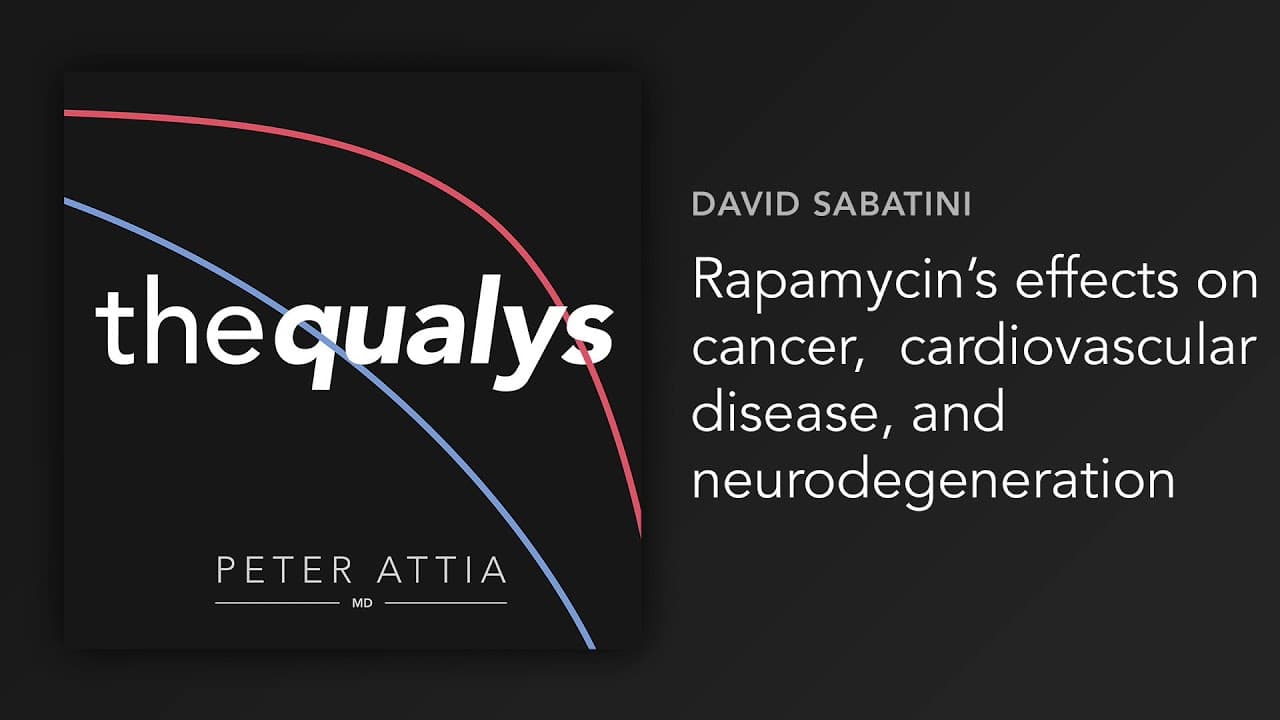
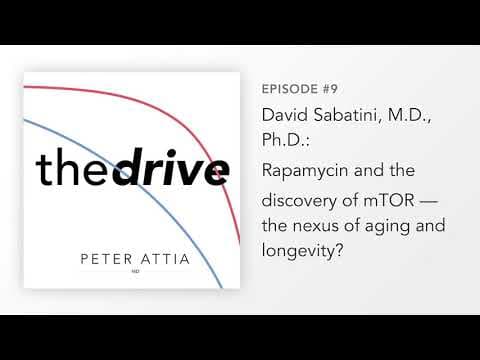
Rapamycin may delay cancer progression after a malignant cell forms, rather than preventing the mutations that initiate cancer or killing established cancer cells. Its effects could differ across cardiovascular disease and neurodegeneration because mTORC1 and autophagy have tissue-specific roles, with the brain requiring a careful balance between synaptic maintenance and cellular cleanup.
Transcript
Welcome to The Qualies, a subscriber-exclusive podcast. Qualies is just a shorthand slang for a qualification round, which is something you do prior to the race, just a little bit quicker. Qualies podcast features episodes that are short, eh, we're hoping for less than 10 minutes each, which highlight the best questions, topics, tactics, et cetera,... Read More
Key Insights
- Rapamycin is generally not a cytotoxic cancer agent, meaning its proposed longevity benefit is not based on directly killing cancer cells. Its more plausible role is slowing events that occur after a cell has acquired the mutations required for uncontrolled growth.
- Cancer initiation may not be altered by rapamycin because the underlying mutational frequencies are not expected to change. Rapamycin may instead affect the subsequent expansion of a malignant cell and its ability to escape immune surveillance before disease becomes clinically detectable.
- Transplant-patient comparisons suggest rapamycin differs from FK506 and cyclosporine in its relationship with cancer. Higher cancer rates associated with general immunosuppression were observed with other agents, while the same pattern was not reported for rapamycin in the epidemiological evidence discussed.
- Rapamycin may balance two opposing cancer effects in immunosuppressed patients. Reduced immune surveillance could increase risk, while a direct, cancer-cell-autonomous effect could restrain tumor growth, potentially causing the harmful and protective influences to cancel each other out.
- Cardiovascular disease may respond differently from cancer because autophagy could affect whether an atherosclerotic plaque develops. Unlike cancer mutations, which rapamycin may not prevent, plaque formation could potentially be influenced closer to the point when the disease process is considered to have begun.
- Autophagy is essential to brain health because experimentally disrupting it produces neurodegeneration. The process also connects to lysosomal function, since autophagosomes fuse with lysosomes, linking impaired cellular cleanup with the types of problems observed in lysosomal storage diseases.
- mTORC1 activity is a double-edged process in the brain because it supports healthy synapses and is necessary during brain growth, yet it must also be reduced enough to permit autophagy. Healthy brain function therefore requires modulation rather than permanent activation or inhibition.
- Brain mTORC1 regulation remains an open research area because the brain is strongly protected from nutrient deprivation. Neuronal activity clearly affects mTORC1, but whether neurons possess distinct regulatory factors or cofactors has not been established by the laboratory work described.
Install to Summarize YouTube Videos and Get Transcripts
Explore YouTube Video Summarizer or Get YouTube Transcript Extractor
Questions & Answers
Q: How might rapamycin delay cancer-related death?
Rapamycin may delay cancer-related death by slowing what happens after a malignant cell has already acquired the mutations needed for uncontrolled growth. It is not generally a cytotoxic agent and is therefore not expected to cure cancer by killing cancer cells. Its likely influence is on tumor-cell growth, immune escape, and the interval before the disease becomes clinically detectable or fatal.
Q: Does rapamycin prevent the mutations that cause cancer?
Rapamycin is not expected to meaningfully change the mutational frequencies that initiate cancer. Under the framework discussed, cancer begins when a cell acquires all the mutations required for uncontrolled growth and evasion of detection. Rapamycin may have little effect on reaching that starting point, but it could influence the cell's growth and interaction with immune surveillance afterward.
Q: What do transplant patients reveal about rapamycin and cancer risk?
Comparisons among transplant patients offer epidemiological clues because these patients receive immunosuppressive drugs. General immunosuppression is associated with higher cancer rates, potentially because immune surveillance is reduced. The increased cancer pattern was described with FK506 and also examined with cyclosporine, but it was not observed with rapamycin, suggesting rapamycin may exert a counteracting effect on cancer cells.
Q: How can rapamycin suppress immunity without increasing cancer rates?
One proposed explanation is that two opposing effects cancel each other out. Rapamycin may reduce immune surveillance because it is immunosuppressive, which could otherwise permit cancer growth. At the same time, it may directly affect cancer cells independently of immune modulation. That cell-autonomous action could mitigate the cancer-promoting consequence of weaker surveillance, although the underlying immune effect was described as unproven.
Q: How could rapamycin affect cardiovascular disease?
Rapamycin may influence cardiovascular disease through autophagy, which could modify the formation or development of an atherosclerotic plaque. This differs from the proposed cancer effect because rapamycin is not expected to prevent the mutations that initiate cancer. In cardiovascular disease, its biological effects might operate near the point when a plaque first qualifies as a detectable disease feature.
Q: Why is autophagy important in the brain?
Autophagy is important because experimental mutations that remove or disrupt it in the brain produce neurodegeneration. Autophagosomes also fuse with lysosomes, creating a connection between autophagy and lysosomal storage diseases. The discussion suggests that both neurons and glial cells may depend on this cleanup pathway, although some experimental promoters used to identify cell-specific effects are not completely precise.
Q: Why must mTORC1 activity be balanced in the brain?
mTORC1 activity must be balanced because the brain needs it for healthy synapses and normal growth, including cortical development. However, mTORC1 must also be modulated so that some autophagy can occur and maintain cellular health. Excessive inhibition could interfere with synaptic maintenance, while insufficient modulation could limit the cleanup processes needed to prevent degeneration.
Q: What regulates mTORC1 activity in the brain?
The complete regulatory system remains unknown. Nutrients may not be the main signal because the body strongly protects the brain from nutritional deprivation, and mouse fasting experiments showed that other tissues shrank while the brain did not. Neuronal activity clearly regulates mTORC1, but possible neuron-specific factors, cofactors, or additional signals have not yet been established by the research described.
Summary & Key Takeaways
-
Rapamycin is not generally considered a cytotoxic cancer treatment, and it is unlikely to prevent the mutations that create a malignant cell. Its potential benefit may instead begin after that cell exists, when rapamycin could slow its growth or influence its ability to escape immune control and become clinically detectable.
-
Transplant-patient comparisons provide suggestive evidence about rapamycin and cancer. Although immunosuppression is generally associated with higher cancer rates because immune surveillance is reduced, that pattern was reported with FK506 but not rapamycin. A proposed explanation is that rapamycin directly restrains cancer cells enough to counterbalance reduced immune surveillance.
-
In the brain, mTORC1 supports healthy synapses and cortical development, while suppression of mTORC1 permits autophagy that helps preserve cellular health. The brain is protected from nutritional fluctuations, so nutrients may not be its primary mTORC1 regulator. Neuronal activity matters, but brain-specific regulatory factors remain an open research question.
Read in Other Languages (beta)
Share This Summary 📚
Summarize YouTube Videos and Get Video Transcripts with 1-Click
Try YouTube Summary with ChatGPT & Claude or YouTube Transcript Generator
Explore More Summaries from Peter Attia MD 📚


Summarize YouTube Videos and Get Video Transcripts with 1-Click
Try YouTube Summary with ChatGPT & Claude or YouTube Transcript Generator