How Does Upgrading to a Gas-Powered Waterjet Cutter Improve Results?
TL;DR
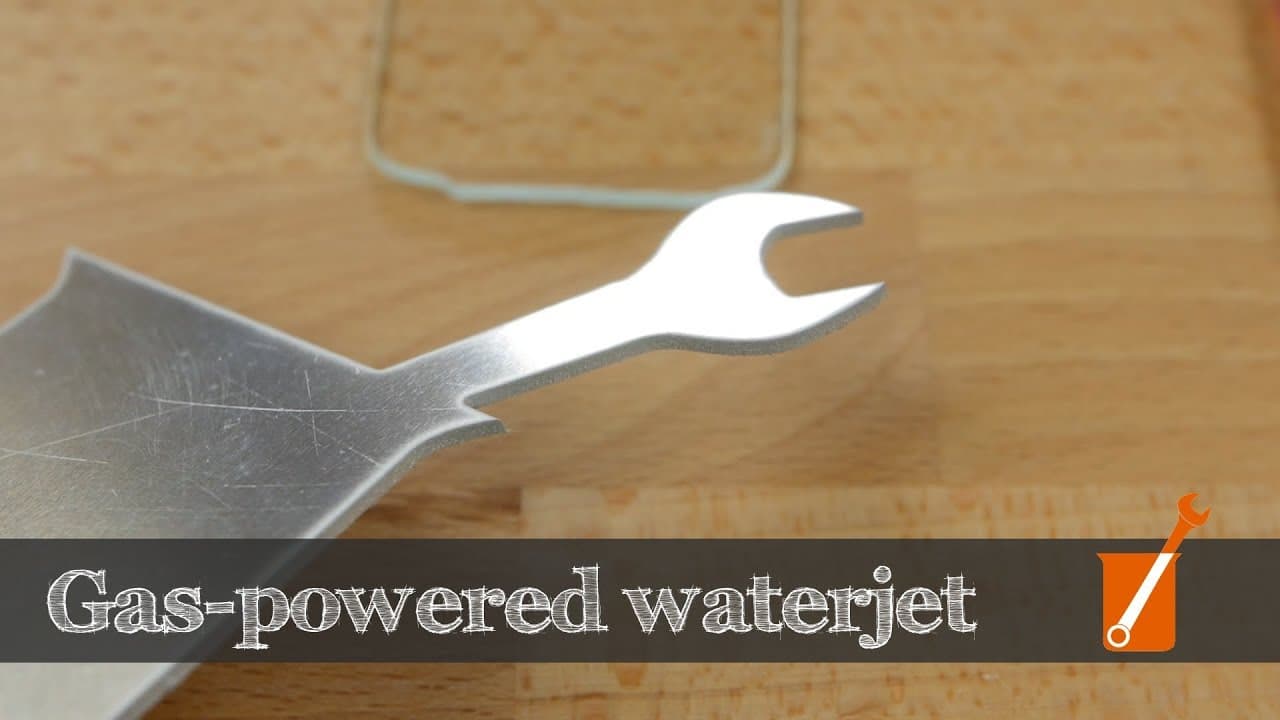
Upgrading to a gasoline-powered pressure washer significantly enhances waterjet cutting performance, allowing for superior results on materials like aluminum, acrylic, glass, and steel. This setup achieves impressive precision and cutting quality while addressing operational challenges such as valve cycling and splash control, making it a feasible DIY project for enthusiasts.
Transcript
today on Applied Science I'm going to do a follow up on my water jet cutter built from a low-cost pressure washer idea so in a previous video I showed how you could take a hundred and thirty dollar electric pressure washer and connect it up to a water jet nozzle and actually get halfway decent results out of it but as it turns out that was pretty m... Read More
Key Insights
- ✊ Upgrading to a gasoline-powered pressure washer enhanced cutting performance and efficiency.
- 😎 Precision and cutting quality were maintained across materials like aluminum, acrylic, glass, and steel.
- 🎮 Addressing operational challenges like valve cycling and splash control improved the system's stability.
- 🤕 Cost considerations for components like the pressure washer, cutting head, and abrasive contribute to the overall feasibility of the DIY water jet cutter project.
- ✋ Future project updates on Tesla CANbus data logger, Ruby laser, and ultra high pressure chamber promise exciting experiments and advancements.
- 💦 The DIY water jet cutter project offers accessibility and affordability for enthusiasts to explore water jet cutting technology.
- 💦 System modifications and component optimizations contribute to better performance and longevity of the DIY water jet cutter.
Install to Summarize YouTube Videos and Get Transcripts
Explore YouTube Video Summarizer or Get YouTube Transcript Extractor
Questions & Answers
Q: What motivated the upgrade to a gasoline-powered pressure washer for the water jet cutter?
The upgrade aimed to address performance limitations like overheating and leaks seen in the electric version, enabling better cutting results on various materials.
Q: How did the water jet cutter perform on different materials like aluminum, acrylic, glass, and steel?
The results showcased high-quality cuts with clean edges and precise angles, demonstrating the effectiveness of the DIY water jet cutter on a range of materials.
Q: What were some challenges faced during the operation of the DIY water jet cutter?
Challenges included issues with the unloader valve cycling, potential splashing if cutting too quickly, and the unexpected power of the system causing leaks and flooding in the garage.
Q: How were costs and system components evaluated for the DIY water jet cutter project?
The breakdown of costs for components like the pressure washer, cutting head, focusing tube, and abrasive highlighted the affordability and feasibility of building a DIY water jet cutter.
Summary & Key Takeaways
-
Upgraded from electric to gasoline-powered pressure washer for better water jet cutting results.
-
Achieved impressive cutting quality on various materials like aluminum, acrylic, glass, and steel.
-
Shared insights on system operation, potential issues, costs, and project updates.
Read in Other Languages (beta)
Share This Summary 📚
Summarize YouTube Videos and Get Video Transcripts with 1-Click
Try YouTube Summary with ChatGPT & Claude or YouTube Transcript Generator
Explore More Summaries from Applied Science 📚

Summarize YouTube Videos and Get Video Transcripts with 1-Click
Try YouTube Summary with ChatGPT & Claude or YouTube Transcript Generator