How to Optimize Sleep and Learning with Science
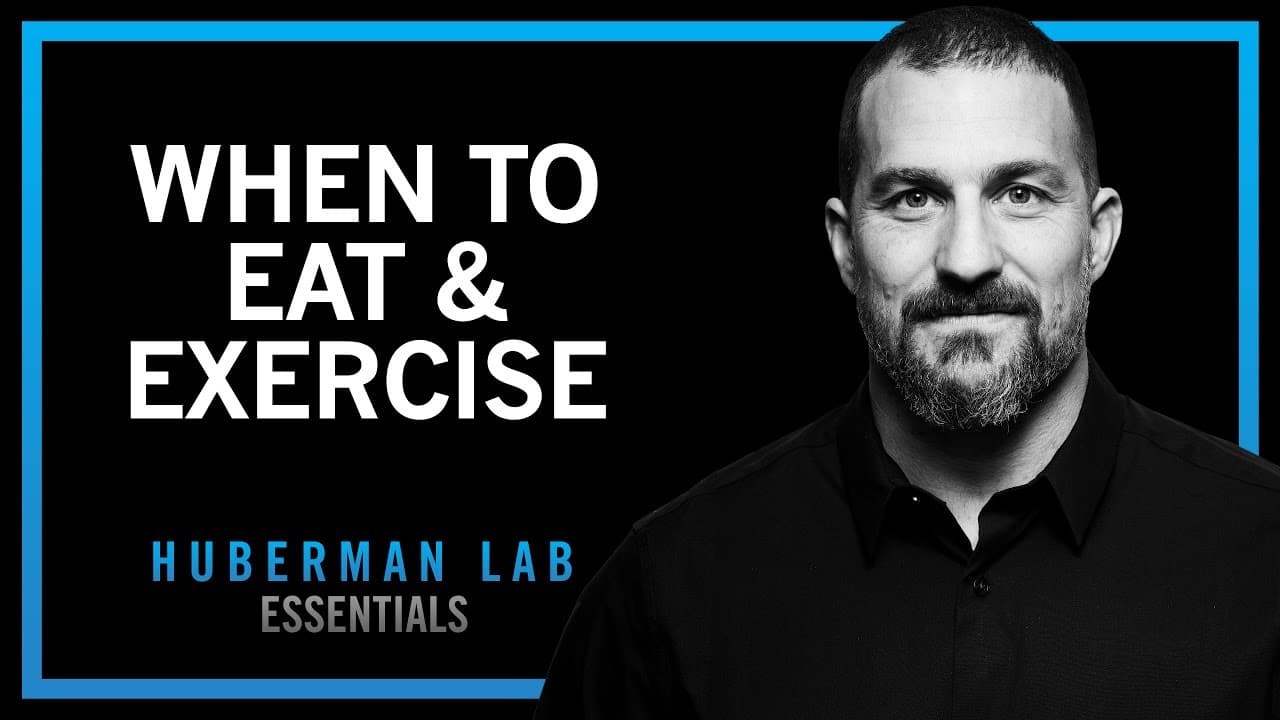
TL;DR
Moonlight and candlelight do not disrupt circadian rhythms, allowing for natural sleep patterns. Red light should be dim to avoid waking the brain. Sunlight through windows is less effective for setting circadian clocks compared to direct exposure. Understanding light, temperature, and neurotransmitters can enhance sleep, learning, and mood.
Transcript
ANDREW HUBERMAN: Welcome to Huberman Lab Essentials, where we revisit past episodes for the most potent and actionable science-based tools for mental health, physical health, and performance. [MUSIC PLAYING] I'm Andrew Huberman. And I'm a professor of neurobiology and ophthalmology at Stanford School of Medicine. Today is episode three of the podca... Read More
Key Insights
- Moonlight and candlelight do not reset the circadian clock, allowing for uninterrupted sleep.
- Red light should be very dim to avoid stimulating melanopsin retinal neurons and waking the brain.
- Direct sunlight exposure is crucial for setting circadian rhythms; sunlight through windows is less effective.
- Circadian rhythms are influenced by day length, with light inhibiting melatonin and affecting mood and metabolism.
- Exercise timing can impact circadian rhythms, with morning and late afternoon being optimal for performance.
- Non-Sleep Deep Rest (NSDR) can enhance learning and retention when practiced after focused learning sessions.
- Temperature is a key effector of circadian rhythms, influencing metabolism and the desire to exercise.
- Eating patterns and food types can modulate neurotransmitter levels, impacting wakefulness and mood.
Install to Summarize YouTube Videos and Get Transcripts
Explore YouTube Video Summarizer or Get YouTube Transcript Extractor
Questions & Answers
Q: How does moonlight affect circadian rhythms?
Moonlight does not reset the circadian clock or trick the brain into thinking it's daytime. This is because the neurons in the eye, specifically melanopsin ganglion cells, adjust their sensitivity and do not activate daytime signals when exposed to moonlight, allowing for natural sleep patterns.
Q: What is the impact of red light on sleep?
Red light, if too bright, can stimulate melanopsin retinal neurons, waking the brain and circadian clock. To avoid this, red light should be very dim, much dimmer than most commercial products, to prevent disrupting sleep. Dim red light does not have the dopamine-disrupting effects of brighter lights.
Q: Is sunlight through windows effective for circadian rhythms?
Sunlight through windows is significantly less effective at setting circadian rhythms compared to direct sunlight exposure. The amount of lux, a measure of light intensity, is greatly reduced when viewed through glass. Direct exposure is recommended for optimal circadian clock setting.
Q: How do circadian rhythms affect mood and metabolism?
Circadian rhythms, influenced by day length, affect mood and metabolism through melatonin regulation. Longer days reduce melatonin, impacting mood and energy levels. Light exposure, particularly in the morning, helps regulate these rhythms, influencing neurotransmitter levels and overall well-being.
Q: What is the best time to exercise for optimal performance?
The best times to exercise for optimal performance are generally 30 minutes after waking, three hours after waking, and in the late afternoon, around 11 hours after waking. These times align with body temperature peaks, reducing injury risk and enhancing performance due to optimized circadian rhythms.
Q: How does NSDR enhance learning?
Non-Sleep Deep Rest (NSDR) enhances learning by promoting neuroplasticity. When practiced for 20-minute sessions after focused learning, it increases the rate and depth of learning and retention. NSDR helps consolidate information without needing additional sleep, making it a valuable tool for cognitive enhancement.
Q: How does temperature influence circadian rhythms?
Temperature is a crucial effector of circadian rhythms, influencing metabolism and activity levels. Body temperature follows a daily cycle, peaking in the afternoon. Temperature changes signal the body about day length, affecting when one feels most active and when circadian rhythms are properly aligned.
Q: How do eating patterns affect neurotransmitter levels?
Eating patterns and food types influence neurotransmitter levels, impacting wakefulness and mood. Foods rich in tyrosine, such as nuts and red meats, promote dopamine and epinephrine production, enhancing alertness. Meal timing also affects circadian rhythms, with early eating promoting earlier wakefulness and late eating potentially delaying sleep.
Summary & Key Takeaways
-
Moonlight and candlelight do not disrupt circadian rhythms, allowing natural sleep patterns. Red light should be dim to avoid waking the brain. Sunlight through windows is less effective for setting circadian clocks compared to direct exposure. Understanding light, temperature, and neurotransmitters enhances sleep, learning, and mood.
-
Circadian rhythms are influenced by day length, with light inhibiting melatonin and affecting mood and metabolism. Exercise timing impacts circadian rhythms, with morning and late afternoon being optimal for performance. NSDR enhances learning when practiced after focused learning sessions.
-
Temperature is a key effector of circadian rhythms, influencing metabolism and exercise desire. Eating patterns and food types modulate neurotransmitter levels, impacting wakefulness and mood. Self-experimentation helps identify effective patterns for optimizing sleep, learning, and overall well-being.
Read in Other Languages (beta)
Share This Summary 📚
Summarize YouTube Videos and Get Video Transcripts with 1-Click
Try YouTube Summary with ChatGPT & Claude or YouTube Transcript Generator
Explore More Summaries from Andrew Huberman 📚



Summarize YouTube Videos and Get Video Transcripts with 1-Click
Try YouTube Summary with ChatGPT & Claude or YouTube Transcript Generator