How Do You Define HTF PD Arrays? | ICT Mentorship Core Content – Month 05
TL;DR
Define high-time-frame PD arrays by judging whether price is in a premium or discount market, then applying a hierarchy of price-based tools to frame likely resistance, support, and retracement levels. Lesson 6.1 focuses only on monthly-to-daily analysis and notes that levels hidden inside large price swings may appear on the daily chart. Read on for the lesson’s practical framework and trade expectations.
Transcript
welcome back folks this is lesson 6.1 of the january 2017 ict mentorship defining high time frame pd arrays okay when we look at a chart regardless of what time frame we're looking at it uh there's two elements that come to mind as a trader obviously we think in terms of support or resistance or we think in terms of audit we're sold we think in ter... Read More
Key Insights
- High time frame PD arrays help in identifying key price levels in trading.
- Traders should distinguish between premium and discount markets to make informed decisions.
- Order blocks, fair value gaps, and breakers are crucial tools in defining PD arrays.
- Understanding the hierarchy of market structures aids in anticipating price movements.
- Retail trading often lacks clarity in defining resistance and support levels.
- Mitigation blocks and liquidity voids are essential in analyzing price action.
- Time and price are critical elements that traders must submit to for successful trading.
- Institutional order flow provides insights into potential market directions.
Install to Summarize YouTube Videos and Get Transcripts
Explore YouTube Video Summarizer or Get YouTube Transcript Extractor
Questions & Answers
Q: How do you define high-time-frame PD arrays in ICT trading?
Start by deciding whether price is in a premium or discount market, then examine potential support, resistance, and retracement levels through an organized hierarchy of arrays. The purpose is to reduce the ambiguity created when traders use different technical-analysis methods to interpret the same chart.
Q: Which chart time frames are used to define high-time-frame PD arrays?
The lesson focuses on higher-time-frame analysis and does not use anything below the daily chart. For example, a level hidden within a monthly price swing may become visible after moving down to the daily chart.
Q: Why should traders distinguish between premium and discount markets?
The premium-and-discount framework organizes how traders value price as relatively expensive or cheap. It also helps them frame expectations for price moving away from support or resistance on higher-time-frame charts.
Q: What problem does the PD array hierarchy address?
Different traders can label different prior highs, lows, patterns, or other points as support and resistance. The hierarchy gives the lesson’s arrays an organized order so traders know how to look for and use them when framing trades.
Q: How does the lesson describe price moving from support toward resistance?
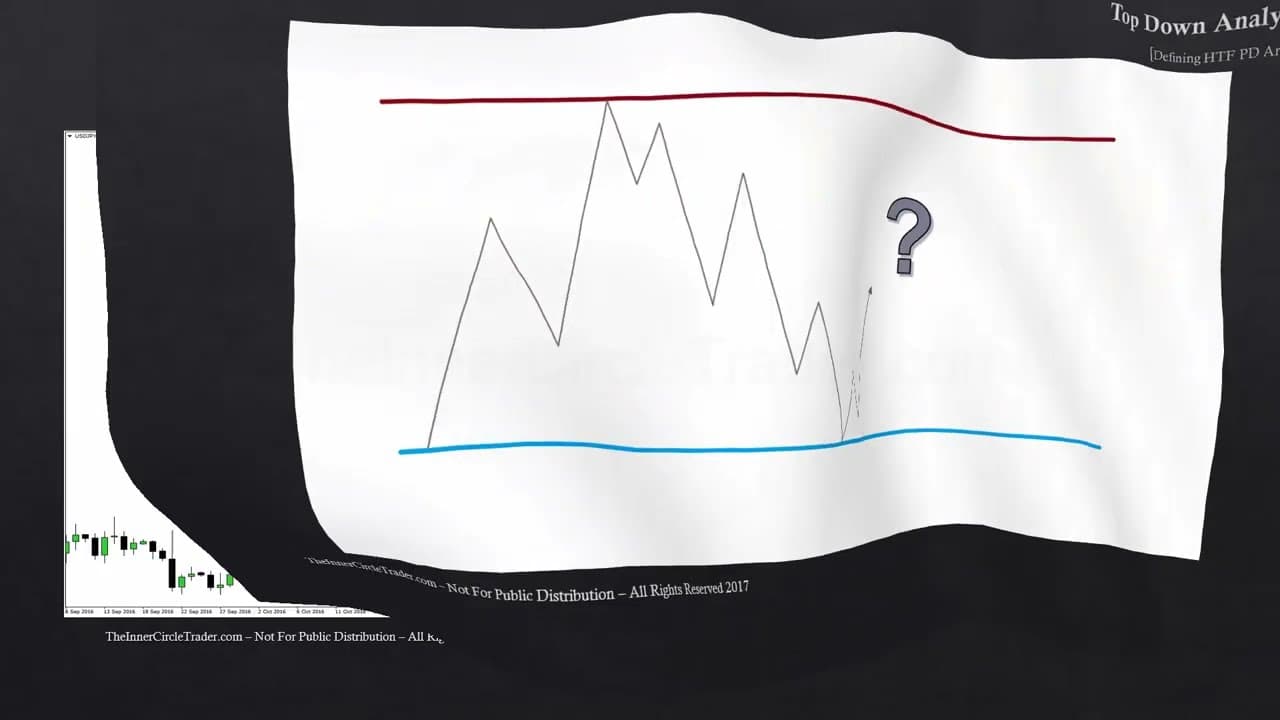
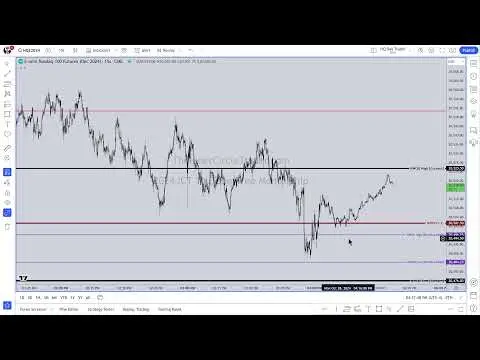
When price moves away from a level viewed as too cheap or supportive, the initial expectation is for price to move higher toward resistance. After reaching resistance and moving away, the speaker prefers to see another attempt toward the old high, which may produce a run-through, false break, or failure swing.
Q: How can an impulse leg help identify a possible support level?
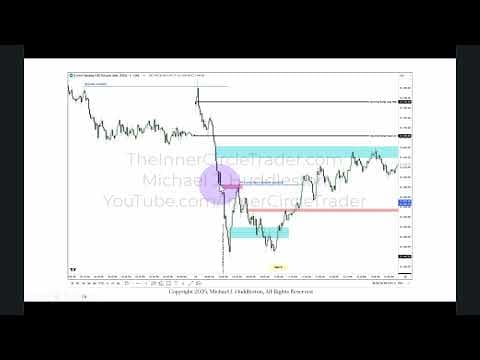
After an initial impulse, a retracement, and a second leg higher into resistance, the secondary impulse leg may provide a reasonable expectation for support. That area could contain a bullish order block or an old short-term high visible on a lower chart.
Q: Why must traders examine lower time frames within large price swings?
Large higher-time-frame swings can contain important levels that are not visible on the original chart. If the starting chart is monthly, moving down to the daily chart may reveal an old short-term high that creates support.
Q: Does knowing where price may move next guarantee trading success?
No. The speaker says a trader could still lose through overleveraging, breaking a rule, or reacting to the emotional and psychological effects of those mistakes, potentially blowing the account.
Summary & Key Takeaways
-
Defining high time frame PD arrays involves understanding market structures like premium and discount markets, which help traders identify key price levels. The use of tools such as order blocks, fair value gaps, and breakers is essential for anticipating market movements, allowing traders to frame trades effectively.
-
Traders must distinguish between premium and discount markets to make informed decisions. Retail trading often lacks clarity in defining resistance and support levels, which can be addressed by understanding the hierarchy of market structures and using tools like mitigation blocks and liquidity voids.
-
Time and price are crucial elements in trading, as traders must submit to them to achieve success. Institutional order flow provides insights into potential market directions, allowing traders to anticipate price movements and make better trading decisions.
Read in Other Languages (beta)
Share This Summary 📚
Summarize YouTube Videos and Get Video Transcripts with 1-Click
Try YouTube Summary with ChatGPT & Claude or YouTube Transcript Generator
Explore More Summaries from The Inner Circle Trader 📚

Summarize YouTube Videos and Get Video Transcripts with 1-Click
Try YouTube Summary with ChatGPT & Claude or YouTube Transcript Generator