How to build a culture that fires good people
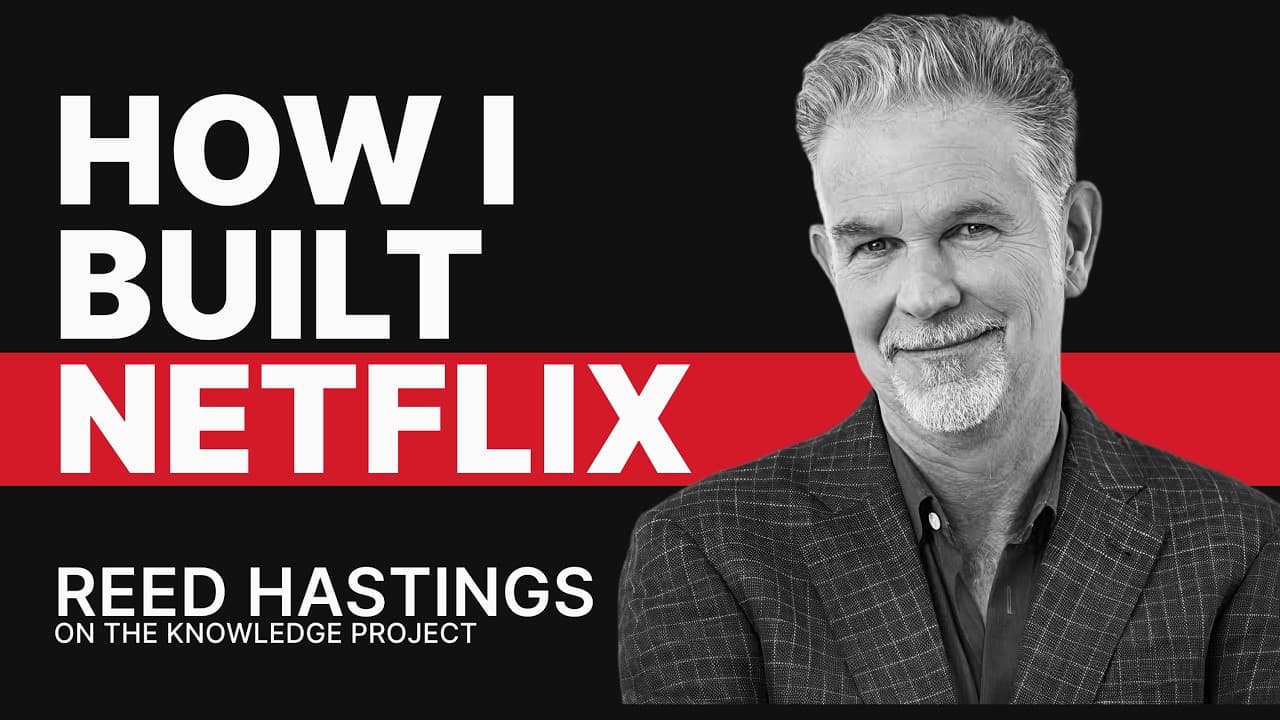
TL;DR
The key is to combine meritocracy with care. Hastings argues that a high performance culture can be warm if you label it with big hearted champions who pick up the trash and treat employees like family while maintaining accountability through practices like the keeper test. This creates a sustainable, high performing organization.
Transcript
You put a $100 million bat on House of Cards. How did you make that decision? That was a big bet at the time. You've got a partial script, you've got some casting, and you have to guess how good is that show going to be? So, there's no real data that tells you that was an instinct call. How do you think looking back now, are there things that you r... Read More
Key Insights
- Culture at scale requires a balance between meritocracy and care, so employees feel valued yet accountable.
- The keeper test is a central idea for evaluating whether a person belongs in leadership and on the team.
- Culture decks and public narratives can shape perception, but real culture is demonstrated through daily behaviors
- Hiring is imperfect and relies on instinct, with the gut feel coming from interactions beyond formal interviews.
- Reference checks are used strategically by following up through networks and past workplaces to uncover credible signals.
- Employee ownership of tasks is reinforced with a trash pickup metaphor to symbolize accountability and service orientation.
- Independent mountains face a choice between mass market appeal and niche, high end experiences that require counterposition.
- Stopping bureaucracy and maintaining lean operations are essential to preserving speed and decision making as organizations grow
Install to Summarize YouTube Videos and Get Transcripts
Explore YouTube Video Summarizer or Get YouTube Transcript Extractor
Questions & Answers
Q: How can a company maintain a warm culture while enforcing meritocracy?
A company can maintain warmth by explicitly framing performance as a shared mission and by reinforcing care through everyday interactions. Hastings describes big hearted champions who pick up the trash as a symbol of accountability and service. This blend keeps performance high without losing humanity, creating a durable culture that supports both employees and customers.
Q: What is the keeper test and how does it shape leadership decisions?
The keeper test asks whether a leader would advocate for the person to stay if a vacancy opened in the team. It helps identify whether someone truly belongs in a leadership role. Applying this test encourages leaders to prioritize talent density, keep the right people, and maintain a culture that rewards high contribution.
Q: Why is reference checking considered different in Hastings’ approach?
Hastings prefers to gather references beyond direct candidates, using LinkedIn histories and intermediate contacts who may be loyal to the organization rather than the candidate. This approach helps reveal deeper patterns of behavior and reliability, reducing bias from traditional references and improving hiring signals in tough decisions.
Q: How does Hastings describe hiring imperfectly yet effectively?
Hastings admits hiring is imperfect and relies on instinct gathered from extended interaction, not a single interview. He emphasizes early honeymoon phases and the need to watch for cracks over time. This ongoing observation allows coaching and decision making about fit, minimizing costly mis-hires while preserving momentum.
Q: What role does culture play in Powder Mountain’s strategy?
Powder Mountain uses culture as a strategic asset by combining private, high value experiences with a strong sense of mission and accountability. The focus on big hearted champions who pick up the trash mirrors Netflix’s meritocracy while adding humanity, which helps sustain high performance and loyalty in a smaller organization.
Q: How does the interview process contribute to cultural fit?
The interview process contributes to cultural fit by testing not just skills but attitudes and behaviors in real contexts. Hastings highlights interactions with service staff and how candidates treat others as telling indicators of character. This broader assessment helps ensure new hires align with values such as responsibility and community spirit.
Q: What challenges arise from public culture narratives like the culture deck?
Public culture narratives can create a perception of rigidity or cutthroat behavior even when the internal culture is supportive and collaborative. Hastings notes the need to reconcile external perceptions with actual practices, ensuring the team experiences warmth and belonging while maintaining high standards and performance.
Q: Why is avoiding bureaucracy important according to Hastings?
Avoiding bureaucracy preserves speed and decision making, which is essential in fast changing environments like streaming and education initiatives. Hastings argues that lean structures prevent stagnation, keep teams focused on impactful work, and help sustain talent density and performance over time. Therefore, streamlining processes supports long term success.
Summary & Key Takeaways
-
Hastings discusses building a culture that balances performance with humanity, emphasizing meritocracy and responsibility.
-
He describes Powder Mountain culture as a private, high care environment that mirrors Netflix’s focus on performance and accountability.
-
The conversation covers hiring, keeping talent, and avoiding bureaucracy to sustain long term success.
Read in Other Languages (beta)
Share This Summary 📚
Summarize YouTube Videos and Get Video Transcripts with 1-Click
Try YouTube Summary with ChatGPT & Claude or YouTube Transcript Generator
Explore More Summaries from The Knowledge Project Podcast 📚






Summarize YouTube Videos and Get Video Transcripts with 1-Click
Try YouTube Summary with ChatGPT & Claude or YouTube Transcript Generator