What Skills Can't Be Learned from Books?
TL;DR
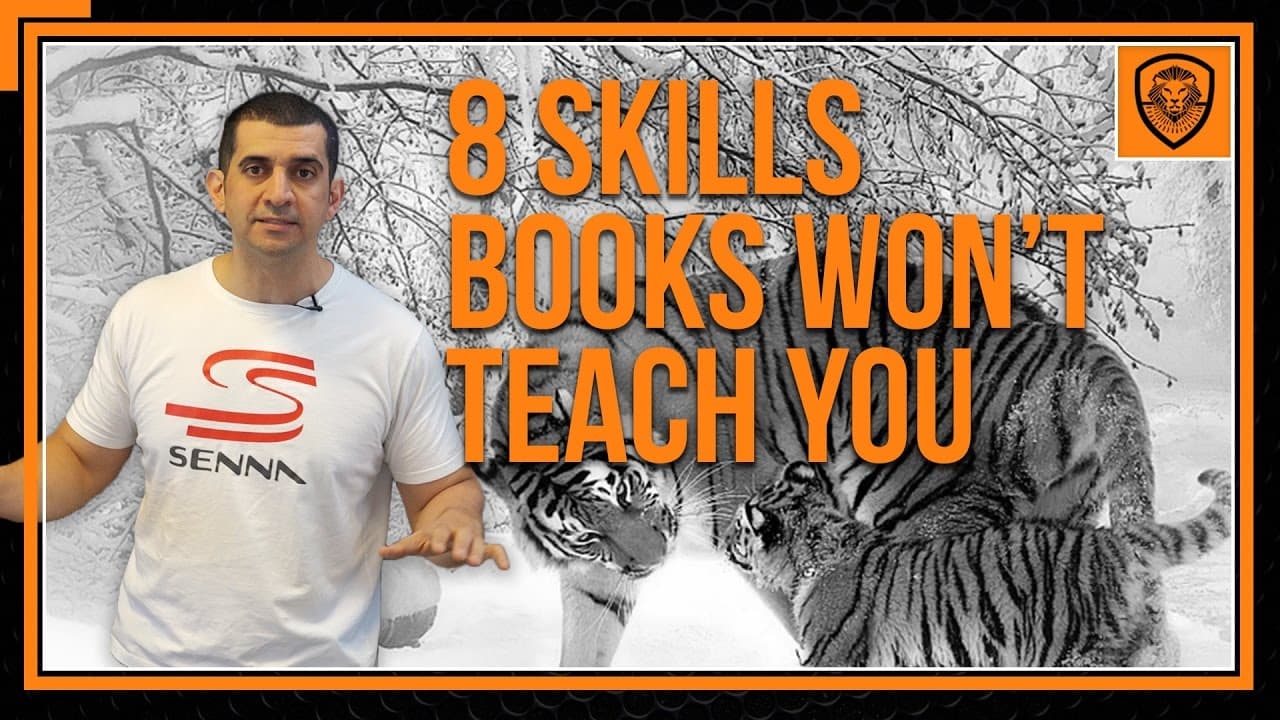
Eight crucial skills such as heart, vision, and intuition cannot be taught through books but must be developed through personal experiences like crises or life-changing events. These skills are essential for personal and professional growth and require real-world practice and exposure to cultivate effectively.
Transcript
Let's just say if you, you, if you were to book in the world, every business book in how Rockefeller became a billionaire, how these guys, there's still eight skills you Eight skills you're not going to learn just Many times you guys will ask me questions say, "Pat, here's my predicament. Here's the situation I'm in. What do you think I should do?"... Read More
Key Insights
- Heart is a skill that cannot be taught through books; it is developed through real-life experiences.
- Vision is crucial for success but cannot be learned from reading; it requires practical application and foresight.
- Reading people is an intuitive skill that books can introduce but not teach fully.
- Handling pressure effectively is a skill developed through experiencing high-stress situations.
- Judging people accurately requires intuition and experience, beyond what books can offer.
- Intuition is an innate skill that is honed through experience, not learned from reading.
- Instincts are developed through real-world exposure and cannot be fully taught through books.
- Common sense is built from practical life experiences and cannot be effectively taught through reading alone.
Install to Summarize YouTube Videos and Get Transcripts
Explore YouTube Video Summarizer or Get YouTube Transcript Extractor
Questions & Answers
Q: How can you develop skills like intuition and instincts?
Developing skills like intuition and instincts requires real-world experiences and exposure to various situations. These skills are honed by facing challenges, making decisions under pressure, and learning from outcomes. They are not effectively taught through books but through personal growth and life experiences.
Q: Why can't certain skills be learned from reading books?
Certain skills, such as handling pressure or reading people, require practical experience and personal engagement that books cannot provide. These skills are developed through real-life situations that challenge individuals and force them to adapt and learn through trial and error.
Q: What role do crises play in developing certain skills?
Crises play a significant role in developing skills such as handling pressure and making intuitive decisions. They force individuals to confront challenging situations, adapt quickly, and learn from the experience, thereby honing skills that cannot be taught through theoretical knowledge.
Q: Can life-changing events teach skills that books cannot?
Yes, life-changing events can teach skills such as resilience, adaptability, and common sense. These experiences provide unique insights and lessons that books cannot replicate, as they require personal involvement and emotional engagement to truly understand and learn from.
Q: What is the importance of 'death ground' in skill development?
The concept of 'death ground' refers to situations where individuals are pushed to their limits, forcing them to act decisively and creatively. Such scenarios are crucial for developing skills like handling pressure and making quick decisions, as they provide intense learning experiences that books cannot offer.
Q: How do personal experiences contribute to skill acquisition?
Personal experiences contribute to skill acquisition by providing real-life contexts where theoretical knowledge is tested and applied. They allow individuals to learn through doing, make mistakes, and adjust their approaches, leading to deeper understanding and skill mastery that books alone cannot provide.
Q: Is it possible to teach common sense through books?
Common sense is largely developed through practical experiences and cannot be effectively taught through books. It involves applying knowledge to real-world situations and learning from the outcomes, which requires personal engagement and cannot be fully captured in written form.
Q: Why is personal involvement crucial for learning certain skills?
Personal involvement is crucial for learning skills such as intuition and judgment because it allows individuals to engage with situations directly, make decisions, and learn from the consequences. This hands-on experience is essential for developing a nuanced understanding that theoretical learning cannot provide.
Summary & Key Takeaways
-
Eight essential skills such as heart, vision, and intuition are not teachable through books but are developed through personal experiences like crises or life-changing events. These skills are vital for personal growth and require real-world practice to cultivate effectively.
-
Skills like reading people and handling pressure are crucial for success but are honed through real-life experiences rather than theoretical knowledge. Such skills are intrinsic and require exposure to challenging situations to develop.
-
Books can provide foundational knowledge, but skills like judging people and using intuition are refined through experience. These skills require practical application and cannot be fully understood through reading alone.
Read in Other Languages (beta)
Share This Summary 📚
Summarize YouTube Videos and Get Video Transcripts with 1-Click
Try YouTube Summary with ChatGPT & Claude or YouTube Transcript Generator
Explore More Summaries from Valuetainment 📚






Summarize YouTube Videos and Get Video Transcripts with 1-Click
Try YouTube Summary with ChatGPT & Claude or YouTube Transcript Generator