How Does Trauma in Early Childhood Affect Adults?
TL;DR
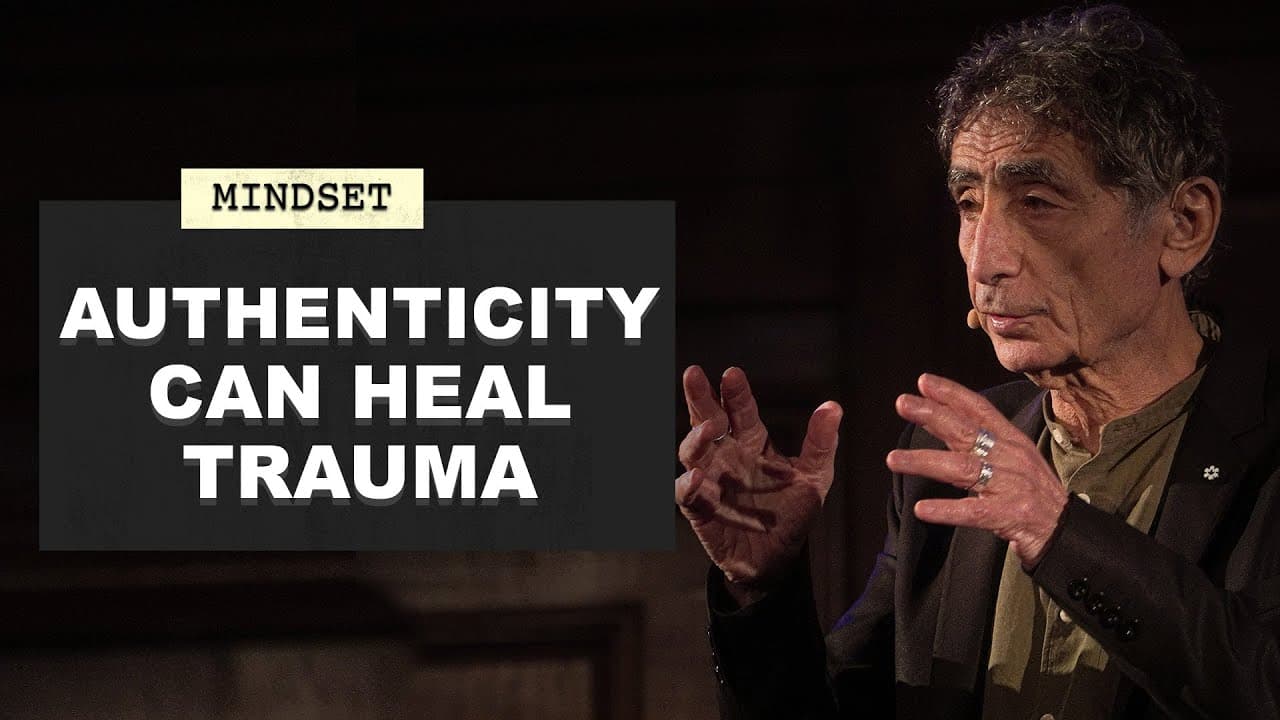
Trauma in early childhood manifests as emotional wounds that shape attachment dynamics and influence behavior throughout adulthood. These experiences, often pre-verbal, embed themselves in both the brain and body, impacting overall well-being. Attachment needs can conflict with authenticity, leading to inauthenticity as a survival mechanism that affects relationships and mental health.
Transcript
foreign to you I think you say at some point that all trauma is pre-verbal and a trauma is something that you you're quite careful in the book to say look it doesn't mean that you were you were run over or you were kidnapped that it's things like not being fed as a small child and not being responded to yeah yes um and you then take that idea of tr... Read More
Key Insights
- 😑 Trauma is pre-verbal, impacting emotional memory and behavior in adulthood.
- ❓ Attachment conflicts with authenticity, influencing relationships and emotional development.
- 🧠 Emotional brain development in early childhood shapes lifelong well-being.
- 🥰 Gut feelings are essential for survival, connecting the brain, heart, and gut for true wisdom.
- 🥺 Inauthenticity as a survival mechanism can lead to physical and mental health issues.
- 🧠 Early childhood experiences have a significant impact on emotional and brain development.
- 🧠 Emotional memory from trauma is embedded not just in the brain but also in the body.
Install to Summarize YouTube Videos and Get Transcripts
Explore YouTube Video Summarizer or Get YouTube Transcript Extractor
Questions & Answers
Q: How does trauma from early childhood impact emotional memory and behavior?
Trauma, as a wound, influences emotional memory and behavior, becoming embedded in the nervous system and brain, triggering responses later in life based on early experiences of hurt or abandonment.
Q: How does attachment conflict with authenticity and influence relationships?
The drive for attachment conflicts with authenticity, leading to inauthenticity as a coping mechanism for survival, affecting relationships where individuals are afraid to be themselves for fear of rejection.
Q: Why is emotional brain development in early childhood crucial for well-being later in life?
The emotional brain, developing first in childhood, serves as a template for overall development. If emotional relationships are lacking, individuals may struggle in adulthood despite intellectual development, impacting overall well-being.
Summary & Key Takeaways
-
Trauma, defined as a wound, occurs in early childhood, influencing emotional memory and behavior.
-
Attachment, essential for survival, conflicts with authenticity, impacting relationships and well-being.
-
Early childhood experiences shape emotional brain development and impact lifelong emotional health.
Read in Other Languages (beta)
Share This Summary 📚
Summarize YouTube Videos and Get Video Transcripts with 1-Click
Try YouTube Summary with ChatGPT & Claude or YouTube Transcript Generator
Explore More Summaries from How To Academy Mindset 📚





Summarize YouTube Videos and Get Video Transcripts with 1-Click
Try YouTube Summary with ChatGPT & Claude or YouTube Transcript Generator