How to Let Go of What You Can't Control for Inner Peace
TL;DR
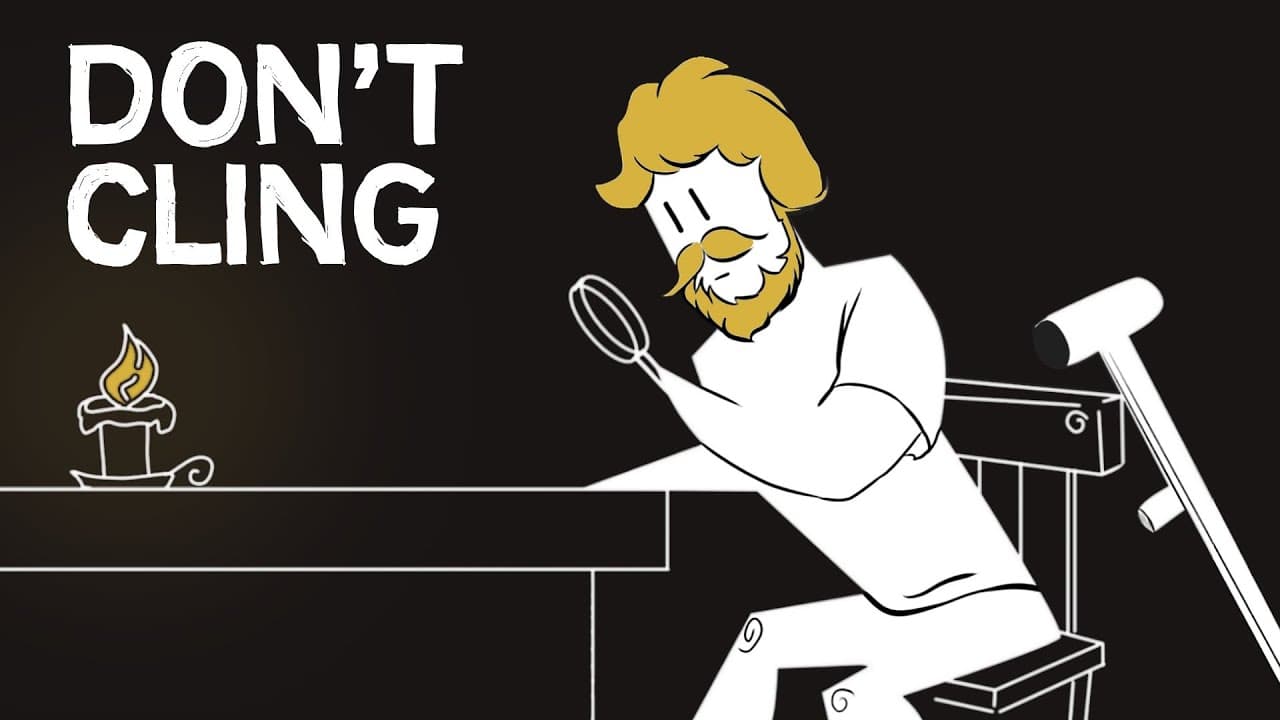
To achieve inner peace, focus on what you can control—your thoughts, actions, and choices—while letting go of things that are outside your influence. According to Epictetus, clinging to people, objects, and outcomes leads to suffering. Embracing impermanence and accepting the unpredictable nature of life allows for tranquility and contentment.
Transcript
Our very sense of wellbeing is at gunpoint when we cling to the fickle, unreliable outside world. Around two thousand years ago, Stoic philosopher Epictetus observed that people are burdened and dragged down because they tend to care about too many things. His cure, however, is not to stop caring altogether but to care about the right things and st... Read More
Key Insights
- 💭 Focus on what you can control, such as your thoughts, actions, and attitudes, for a sense of empowerment and peace.
- 👻 Detachment from external circumstances and outcomes allows for a more resilient and content mindset.
- 💌 Embrace impermanence and let go of clinging to people, objects, power, opinions, and outcomes for true inner peace.
Install to Summarize YouTube Videos and Get Transcripts
Explore YouTube Video Summarizer or Get YouTube Transcript Extractor
Questions & Answers
Q: What does Epictetus mean by the "dichotomy of control"?
Epictetus refers to the concept that some things are in our control, like our opinions and actions, while others, like external events, are not. By focusing on what we can control, we gain strength and inner peace.
Q: How does Epictetus suggest we handle attachment to people and objects?
Epictetus advises us to view everything as borrowed rather than owned, enabling us to enjoy things without becoming overly attached. By practicing detachment, we can avoid suffering from inevitable losses.
Q: Why does Epictetus caution against clinging to the opinions of others?
Epictetus believes that placing too much importance on others' opinions can disrupt our tranquility and inner peace. By valuing equanimity, freedom, and self-control over external validation, we can find true contentment.
Q: How does Epictetus advise us to approach outcomes and ideas?
Epictetus teaches us to accept the uncontrollable nature of the world and focus on our reactions and attitudes. By letting go of the need to control external events, we can navigate life with greater ease and resilience.
Summary & Key Takeaways
-
Epictetus' philosophy emphasizes focusing on what we can control and letting go of what we can't, leading to inner peace.
-
We often cling to people, objects, power, opinions, and outcomes, causing suffering.
-
By changing our perceptions and embracing impermanence, we can find tranquility and happiness.
Read in Other Languages (beta)
Share This Summary 📚
Summarize YouTube Videos and Get Video Transcripts with 1-Click
Try YouTube Summary with ChatGPT & Claude or YouTube Transcript Generator
Explore More Summaries from Einzelgänger 📚


Summarize YouTube Videos and Get Video Transcripts with 1-Click
Try YouTube Summary with ChatGPT & Claude or YouTube Transcript Generator