AI: What's Working, What's Not
TL;DR
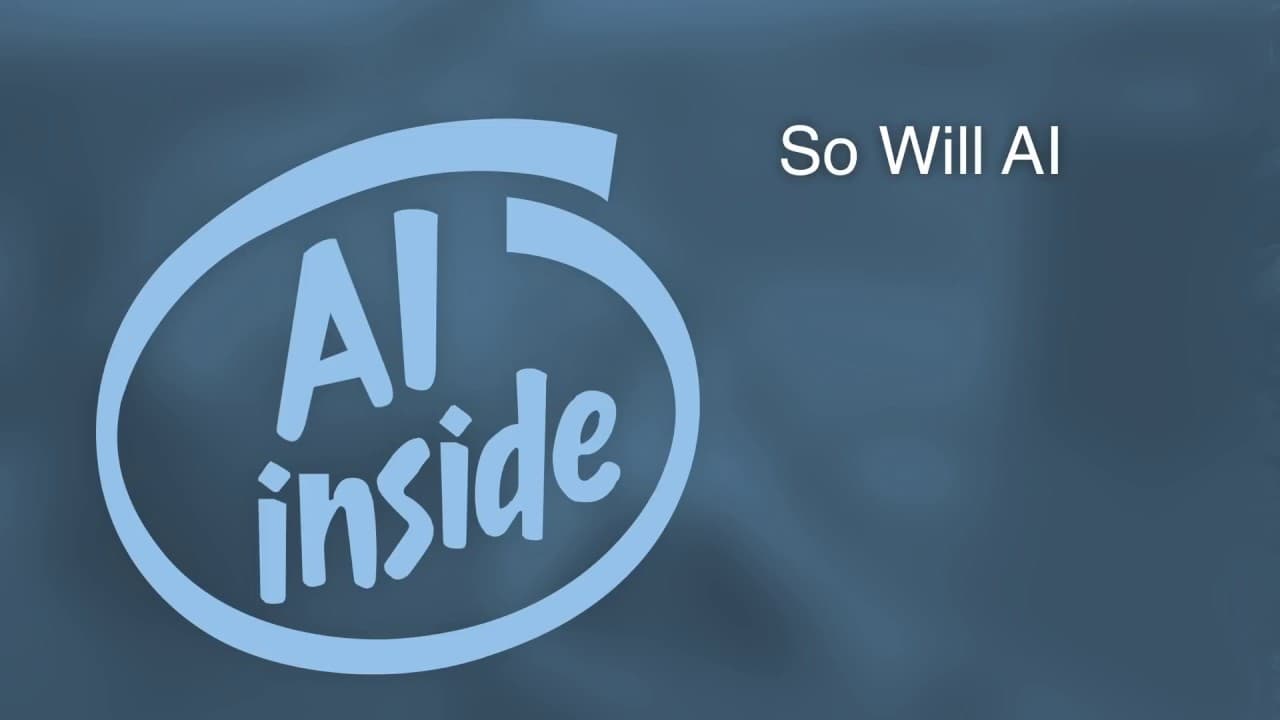
Artificial intelligence (AI) is rapidly being integrated into software across industries, with significant advances in image recognition, language processing, and predictive analytics. Major companies acknowledge AI's transformative potential, while challenges include the need for better algorithms and data privacy issues. Despite concerns about job loss, history shows that automation often creates new job opportunities.
Transcript
in the next half-hour what I want to do is I want to give you a state of the union on artificial intelligence I want to describe what's working what's not working I'm gonna hit some of the hot topics around AI that you'll read about in the papers all the time and if I were to fast forward to the punchline here's the punchline AI has come roaring ou... Read More
Key Insights
- 🙈 AI has seen significant growth and adoption, with major companies and even politicians recognizing its potential impact.
- 🈸 AI is being integrated into various applications, such as image recognition, language understanding, and predictive analytics.
- 🥺 China is taking a proactive approach to AI research and development, aiming to lead in the field by 2030.
- 🥺 The impact of AI on jobs is still uncertain, as automation has historically led to the creation of new jobs rather than job loss.
Install to Summarize YouTube Videos and Get Transcripts
Explore YouTube Video Summarizer or Get YouTube Transcript Extractor
Questions & Answers
Q: What is the current state of AI adoption by big tech companies?
AI has come out of research labs and is now being adopted by major companies such as Google, Amazon, Facebook, Apple, Baidu, Alibaba, and Tencent.
Q: How is AI being used in image recognition?
Companies like Pinterest can analyze images and recognize objects within them, allowing for related content to be recommended to users based on what they see in a specific image.
Q: How is AI being applied to language understanding?
AI-powered virtual assistants like Siri and Alexa are becoming better at understanding spoken language and can perform tasks like automated speech recognition and language translation.
Q: What are some examples of AI in predictive analytics?
Companies like Airbnb use machine learning to suggest optimal prices for listings based on factors like location and demand. Foursquare uses AI to personalize recommendations based on a user's location and preferences.
Summary
In this video, the speaker provides an overview of the state of artificial intelligence (AI) and its impact on various industries. He explains that AI is being adopted by big tech companies and urges organizations to consider how they can use AI within their own operations. The speaker discusses how AI is being used to see and understand the real world, analyze language, make predictions, and create recommendations. He also addresses the concerns and hype surrounding AI, including China's national AI strategy and the potential impact on jobs. The speaker concludes by encouraging organizations to explore ways to incorporate AI into their products and services.
Questions & Answers
Q: What does the speaker believe about the future of AI?
The speaker believes that AI will be integrated into every piece of software, just as databases have been. AI has already come out of research labs and is being adopted by big tech companies. The speaker encourages organizations to consider how they can use AI within their own operations.
Q: How is AI being used to see and understand the real world?
Pinterest, for example, uses AI algorithms to analyze pictures and identify objects within them. This allows users to find related items and discover new ideas. Another example is the company Airware, which uses AI to analyze drone data and ensure that mining operations comply with safety regulations.
Q: How is AI being used to analyze language?
AI technologies, such as automated speech recognition, have improved in their ability to understand spoken language. For example, Siri and Alexa are now able to accurately transcribe what people are saying. This technology has also been used by YouTube to automatically generate subtitles for videos and by Facebook to translate posts.
Q: How is AI being used to make predictions?
Airbnb uses machine learning to help hosts determine the best price for their listings based on factors such as location and seasonal demand. Foursquare uses machine learning to recommend the most useful tips about nearby venues to its users. Instacart uses prediction techniques to optimize the grocery shopping experience for customers.
Q: How is AI being used in healthcare?
Companies like Cardiogram are using AI to analyze data from smartwatches to detect health conditions such as atrial fibrillation and sleep apnea. By analyzing heartbeat data, AI algorithms can make predictions about a person's health without the need for more invasive procedures.
Q: What is the difference between narrow AI and general AI?
Narrow AI refers to AI systems that are designed for specific tasks and cannot perform tasks outside of their scope. General AI, on the other hand, would be able to learn and perform well in a wide range of tasks. General AI is a more complex challenge and researchers still do not have a clear path toward achieving it.
Q: How is China approaching AI development?
China has set a goal to be a global leader in AI by 2030 and has implemented a coordinated national policy to achieve this. They are investing heavily in AI research, training programs, and infrastructure. China's approach to data privacy is also different, as they prioritize data collection and analysis to drive AI advancements.
Q: What is the speaker's view on the impact of AI on jobs?
The speaker believes that concerns about AI eliminating jobs are not new and that throughout history, automation has resulted in the creation of new jobs. While some jobs may become automated, new opportunities will arise as technology advances. The speaker emphasizes the importance of continuously adapting and learning new skills.
Q: How can organizations incorporate AI into their operations?
Organizations can choose to buy, build, or add AI capabilities to their existing products and services. There are various AI tools and platforms available, such as API services, that make it easier to integrate AI. Training employees in AI technologies and applications is also crucial to effectively incorporate AI into operations.
Q: Can you provide an example of how a small-scale automation project can be implemented?
The speaker shares the example of a Japanese engineer who used a Raspberry Pi and machine learning algorithms to automate the sorting of cucumbers on his family's farm. This project cost less than $2,000 and showcases the potential for small-scale automation projects that can bring efficiency and cost savings to organizations.
Takeaways
The speaker highlights that AI has come a long way and is being adopted by big tech companies globally. Organizations should consider how they can leverage AI to improve their products and services. While some concerns and hype exist, the focus should be on finding practical applications for AI. China's approach to AI development and data privacy should be imitated in certain aspects. The impact of automation on jobs is not new, and new opportunities will arise as technology advances. Organizations should actively explore ways to incorporate AI into their operations and invest in training their employees. Ultimately, the speaker believes that the AI revolution presents a new golden age of technology and innovation.
Summary & Key Takeaways
-
AI is expected to be integrated into every software application, just as databases are now a fundamental part of software development.
-
AI has seen significant growth and adoption, with CEOs and politicians recognizing its importance and potential impact.
-
Examples of AI in action include image recognition on Pinterest, natural language processing on Siri and Alexa, and machine learning for personalized pricing on Airbnb.
Read in Other Languages (beta)
Share This Summary 📚
Summarize YouTube Videos and Get Video Transcripts with 1-Click
Try YouTube Summary with ChatGPT & Claude or YouTube Transcript Generator
Explore More Summaries from a16z 📚



Summarize YouTube Videos and Get Video Transcripts with 1-Click
Try YouTube Summary with ChatGPT & Claude or YouTube Transcript Generator