Mario Berlanga: Pulling Down the Curtain: The Truth about the Supply Chain of Illegal Drugs
TL;DR
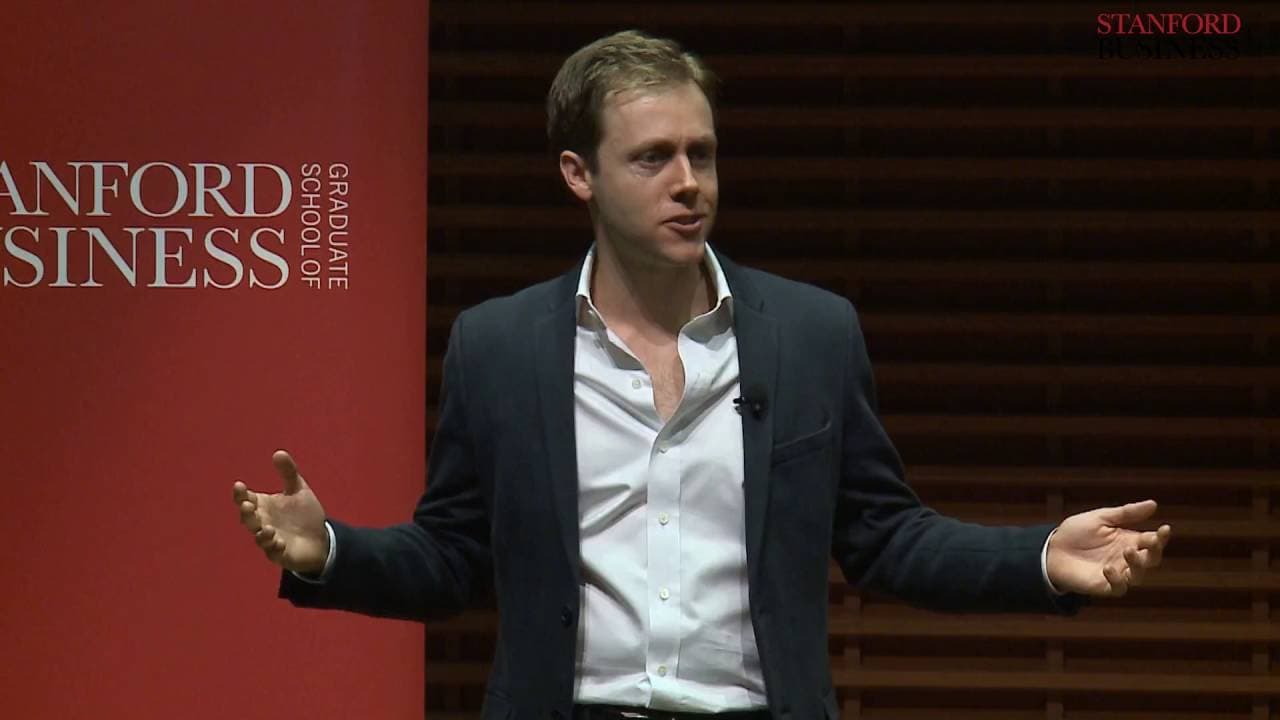
Buying illegal drugs creates demand that financially rewards cartels and intensifies violence along supply routes into the United States. Mario Berlanga argues that recreational users should recognize the hidden human cost of their purchases, reconsider buying illegal drugs, and discuss the connection between consumer demand and cartel violence with friends and family.
Transcript
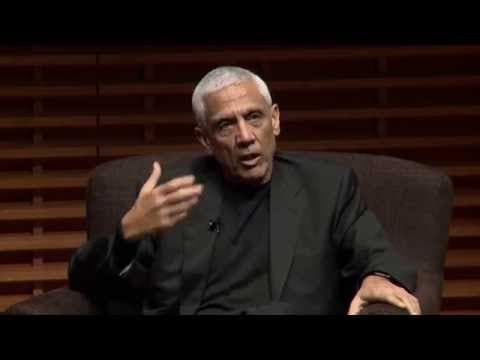
[MUSIC] There are only two kinds of people in this world. Those who consume illegal drugs and those who knows someone who does. I'm not here to critic or judge people who consume drugs. I have nothing against the drugs themselves. My aim in giving this talk, however, is to pull down the curtain, so that you can see what is, perhaps, not obvious. So... Read More
Key Insights
- Illegal drug purchases create demand that supports a violent supply chain. Berlanga argues that an apparently private transaction between a user and dealer connects to cartels that produce or import drugs, transport them into the United States, and protect their operations through force.
- Transportation routes are the principal source of money and conflict in the illegal drug business. Cartels compete to control territories, highways, ports, border crossings, and political influence because successfully moving drugs from their source to American consumers produces the largest financial rewards.
- Cartel competition is governed by force because illegal drug trafficking is presented as the most lucrative criminal activity. Berlanga says this environment attracts highly violent criminals and favors whichever organization can seize routes, deter rivals, intimidate communities, and protect profits most aggressively.
- Cartel power extends beyond drug trafficking into smaller criminal activities. Berlanga says major organizations seek control over human trafficking, kidnapping, piracy, extortion, and prostitution to stop smaller groups from gaining money, influence, and enough strength to become competitors.
- The violence affects both participants and civilians who resist cartel control. Cartels kill competitors, journalists, law enforcers, and innocent people who refuse cooperation, and Berlanga says they sometimes conduct mass killings of civilians specifically to create fear throughout a town.
- Mexico was losing about 60 lives every day to the conflict at the time described. Berlanga states that the official death toll since 2007 was 160,000, illustrating the scale of bloodshed associated with cartel competition and the illegal drug supply chain.
- American spending provides cartels with an incentive that government action alone cannot overcome. Berlanga estimates annual United States spending on illegal drugs at around $150 billion and says Mexican cartels control more than 70% of the American market because of Mexico's geographic position.
- Individual consumer choices can reduce financial support for criminal organizations. Berlanga asks users to think twice before purchasing illegal drugs and asks nonusers to discuss the issue with friends and family, arguing that every purchase approves, rewards, and incentivizes cartels.
Install to Summarize YouTube Videos and Get Transcripts
Explore YouTube Video Summarizer or Get YouTube Transcript Extractor
Questions & Answers
Q: How does buying illegal drugs contribute to cartel violence?
Buying illegal drugs creates consumer demand and sends money into a supply chain controlled by criminal organizations. According to Berlanga, dealers depend on cartels that produce drugs in Mexico or import them from Asia or South America, then move them into the United States. Cartels use violence to control routes, protect profits, defeat competitors, and intimidate anyone who refuses cooperation.
Q: Why do cartels fight over drug transportation routes?
Cartels fight over transportation routes because Berlanga says the largest profits come from moving drugs from their source to the final consumer, rather than merely producing them. Successful trafficking requires control of territories, highways, ports, border crossings, and political influence. Criminal organizations therefore compete violently to secure each stage of the journey and prevent rivals from disrupting or capturing their business.
Q: What other criminal activities do drug cartels control?
Drug cartels seek control over human trafficking, kidnapping, piracy, extortion, and prostitution, according to Berlanga. Their purpose is not limited to earning money from these activities. Dominant cartels also want to prevent smaller criminal groups from accumulating resources and eventually becoming competitors. This expansion spreads cartel coercion beyond drug trafficking and exposes more communities to violence, fear, and exploitation.
Q: Who is harmed by violence in the illegal drug supply chain?
The harm extends beyond traffickers and rival criminal organizations. Berlanga says cartels kill journalists, law enforcers, innocent civilians, and people who refuse to cooperate. They may also conduct mass killings to create fear in entire towns. His own four close family members disappeared after being kidnapped, and a worker's 14-year-old son was killed in retaliation after his family returned home.
Q: How large is the United States market for illegal drugs?
Berlanga describes the United States as the world's largest market for illegal drugs. He states that the country has 5% of the global population but accounts for more than 30% of global demand. Americans spend around $150 billion on illegal drugs each year, and Mexican cartels control more than 70% of the United States market because of their geographic position.
Q: Why does Berlanga believe government action is insufficient?
Berlanga accepts that Mexico has responsibility for corruption and weak institutions, but he argues that the financial pull of American demand is too strong for government action alone to overcome. Cartels command hundreds of billions of dollars and automatic weapons. He says they can buy their way around institutions, while people who refuse cartel money may be killed.
Q: What can recreational drug users do to reduce cartel funding?
Recreational users can stop purchasing illegal drugs or think carefully before buying again. Berlanga says users commonly spend between $200 and $2,000 per month, money that ultimately rewards and incentivizes criminal organizations. He illustrates its purchasing power by stating that $200 can buy 1,000 rounds of ammunition, $500 can buy an AK47 rifle, and $700 covers a full-time squad employee's monthly cost.
Q: What can nonusers do about the violence linked to illegal drugs?
People who do not use illegal drugs can discuss the supply chain with friends and family, especially with people who may purchase them recreationally. Berlanga believes many consumers see a transaction with a trusted dealer as victimless because they do not witness earlier stages. Conversation can reveal how demand finances cartels, violent competition, kidnappings, extortion, intimidation, and harm to innocent communities.
Summary
This video highlights the devastating impact of illegal drugs on Mexican communities and the role of the US in fueling this crisis. The speaker emphasizes the cycle of violence and corruption created by the drug trade, as well as the responsibility of individuals to contribute to positive change by abstaining from drug use.
Questions & Answers
Q: What is the speaker's purpose in giving this talk?
The speaker aims to shed light on the hidden reality and consequences of the illegal drug trade, particularly in Mexico, and to urge people to reconsider their choices as consumers.
Q: How does the US contribute to the illegal drug trade?
The US is the largest market for illegal drugs, consuming over 30% of the global demand despite having only 5% of the world's population. The vast majority of drug users in the US consume drugs recreationally, creating a demand that fuels the supply chain.
Q: What is the connection between drug dealers and cartels?
In order to sell drugs, dealers often have to work with cartels. Cartels either produce drugs in Mexico or import them from other regions such as Asia or South America. This connection to cartels perpetuates violence and bloodshed at every step of the supply chain.
Q: Why does the drug trade attract violent criminals?
The drug trade is highly profitable, making it an attractive enterprise for criminals. Violent competition between criminal groups determines who controls territories, transportation routes, and smaller criminal activities. The most violent criminals often emerge as the winners in this dangerous business.
Q: How does the drug trade affect innocent civilians?
Cartels not only harm individuals involved in the drug trade but also target innocent people, journalists, and law enforcement officials who refuse to cooperate. Mass killings and acts of violence are employed to create fear in communities.
Q: How deadly is the drug trade in Mexico?
The speaker states that three people are killed every hour in Mexico due to drug-related violence, totaling 60 lives per day. The official death toll since 2007 is estimated at 160,000, surpassing the casualties of the Iraq and Afghanistan wars combined.
Q: What personal experience does the speaker share?
The speaker reveals that four members of their family were kidnapped by a cartel, leading to fear, suffering, and eventual loss. This traumatic event serves as a catalyst for the speaker's determination to bring attention to the issue.
Q: How does drug consumption in the US compare to other global issues?
Americans spend approximately $150 billion on illegal drugs each year, an amount that exceeds the US federal government's spending on education and is five times larger than its expenditure on law enforcement. The scale of drug consumption highlights the magnitude of the problem.
Q: How do Mexican cartels dominate the US drug market?
Mexican cartels control over 70% of the US drug market due to Mexico's convenient geographic location. Despite efforts by both US and Mexican governments, they are unable to curb the violence and corruption fueled by the immense financial incentives involved.
Q: How can individuals contribute to combating the drug trade?
The speaker appeals to non-users to engage in conversations with friends and family about the damaging effects of illegal drugs. For those who do use drugs, they are urged to reconsider their choices and explore legal alternatives such as alcohol or cannabis where it is legal.
Takeaways
The video emphasizes the urgent need for collective action to address the devastating consequences of the illegal drug trade. By raising awareness, engaging in conversations, and making different choices as consumers, individuals can play a significant role in reducing violence, corruption, and loss of life caused by drug trafficking.
Summary & Key Takeaways
-
Mario Berlanga connects recreational drug consumption in the United States to violence across Mexico and Latin America. He argues that a purchase appearing victimless at the point of sale supports a larger supply chain in which cartels compete violently for territories, transportation routes, border crossings, ports, and political influence.
-
Cartels earn significant money by transporting drugs from their sources to consumers, so controlling every stage of the route becomes essential. According to Berlanga, dominant organizations also control kidnapping, human trafficking, extortion, piracy, and prostitution while targeting competitors, journalists, law enforcers, uncooperative residents, and innocent civilians.
-
Berlanga grounds his argument in personal loss, including the disappearance of four close family members and the killing of a worker's 14-year-old son. He asks recreational users to reconsider illegal drug purchases and urges nonusers to discuss how consumer spending rewards and incentivizes violent criminal organizations.
Read in Other Languages (beta)
Share This Summary 📚
Summarize YouTube Videos and Get Video Transcripts with 1-Click
Try YouTube Summary with ChatGPT & Claude or YouTube Transcript Generator
Explore More Summaries from Stanford Graduate School of Business 📚


Summarize YouTube Videos and Get Video Transcripts with 1-Click
Try YouTube Summary with ChatGPT & Claude or YouTube Transcript Generator