Sam Duboff: In Support of the Middle Child
TL;DR
Middle children often possess unique strengths, such as being great negotiators and independent thinkers. Contrary to the stereotype of neglect, they experience both authority and inferiority, which fosters adaptability and resilience. Research shows that middle children are more likely to carve their own paths in life and can thrive as change makers.
Transcript
[MUSIC]. There are over 70 million middle children in the United States right now. We're talking about over 70 million Americans with both older and younger siblings. But, if you watch a lot of movies and television. And I do. >> [LAUGH]. >> You'd think all middle children are exactly the same. Take for example, Jan Brady of the Brady Bunch, always... Read More
Key Insights
- 👪 Middle children often struggle to define their role in their families, leading to low self-esteem.
- ✋ Firstborns enjoy higher incomes and receive more attention from their parents.
- ✋ Youngest children have lenient punishments, are more likely to engage in positive social change, and have the highest self-esteem.
- 🖕 Middle children possess qualities such as being great negotiators, mediators, and independent thinkers.
- 🧔 Middle-born CEOs tend to be change makers and are not afraid to do things differently.
- 👪 Middle children have a different attachment style with their parents, leading to Middle Child Syndrome.
- 🥶 Middle children have experienced being both older and younger, allowing them to understand different perspectives and embrace ambiguity.
Install to Summarize YouTube Videos and Get Transcripts
Explore YouTube Video Summarizer or Get YouTube Transcript Extractor
Questions & Answers
Q: Why are middle children often portrayed as neglected and ignored?
Middle children tend to struggle to find a role for themselves in their families, leading to the perception of Middle Child Syndrome. This can lead to feelings of neglect and low self-esteem.
Q: What are the unique qualities of middle children?
Middle children possess qualities such as being great negotiators, mediators, and peacekeepers. They are comfortable with ambiguity and tend to be independent and open to trying new things.
Q: How does being a middle child impact their career choices?
Middle children tend to be change makers and set their own expectations. They are not afraid to do things differently and often become CEOs who drive innovation and experiment with new ideas.
Q: How can we value and embrace the qualities of being a middle child?
Instead of aspiring to top positions or stepping on others, we can embrace the mindset of living from the middle. This means having the humility to take advice from others while having the confidence to assert one's own worth and voice.
Summary
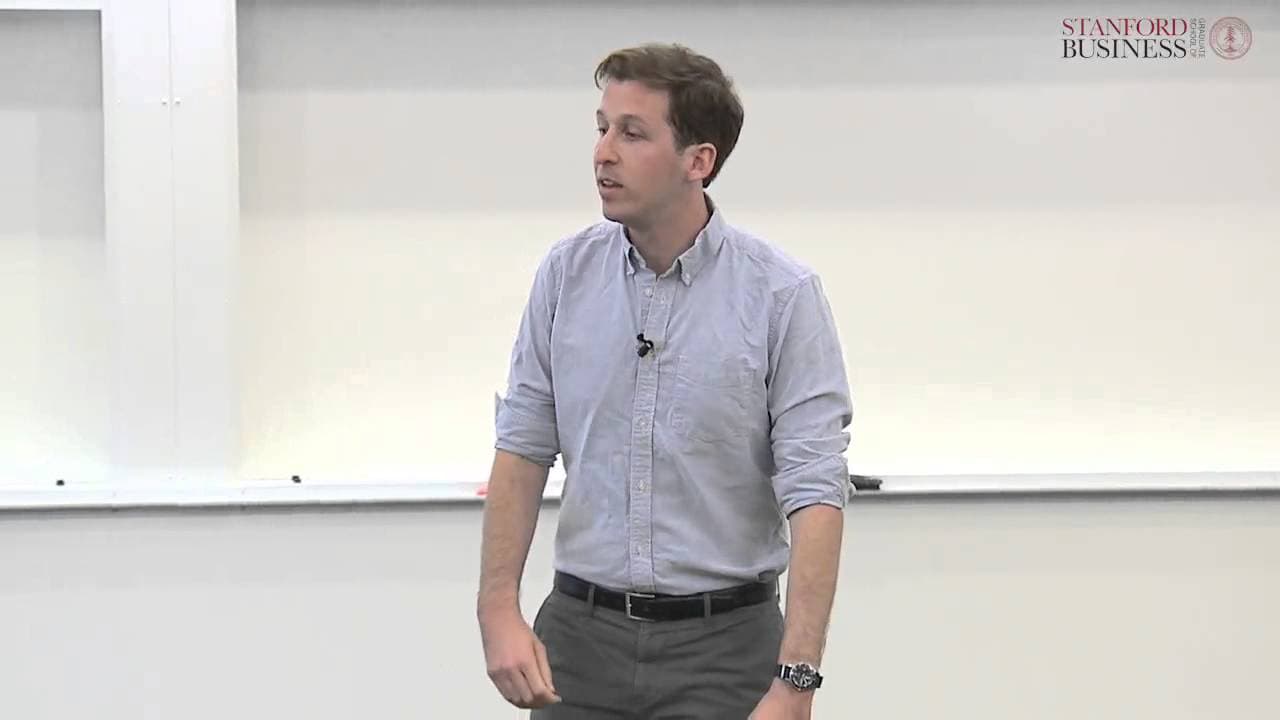
In this video, the speaker explores the perception and reality of being a middle child. They discuss birth order research, the roles of older and younger siblings, and the unique qualities of middle children. The speaker also challenges the notion that being a middle child means being lost between two roles, arguing that middle children have the ability to understand both authority and inferiority. They highlight the negotiating skills, independence, and adaptability that often characterize middle children. Ultimately, the speaker encourages embracing the perspective of the middle and finding value in being able to empathize with both ends of the spectrum.
Questions & Answers
Q: Why are middle children often depicted as neglected and ignored?
Middle children are often depicted as neglected and ignored because there is some basis in reality for this perception. Studies have shown that middle children tend to struggle to find a role for themselves in their family, which can lead to lower self-esteem. However, it is important to note that this perception is not true for all middle children and does not define their experiences.
Q: What are some characteristics of firstborns?
Firstborns have been found to be ambitious, driven, high-achieving, responsible, and sometimes neurotic. They tend to earn more income and have fewer illnesses compared to their younger siblings. Firstborns often receive more attention and recognition from their parents.
Q: What are some characteristics of youngest children?
Youngest children tend to receive more lenient punishments for the same behavior compared to their siblings. They are more likely to protest for positive social change and have the highest self-esteem among birth orders. Youngest children benefit from being emotionally connected to their parents.
Q: How do middle children differ in their attachment styles to their parents?
Middle children have a fundamentally different attachment style to their parents compared to firstborns and lastborns. Research has shown that middle children feel less emotionally connected to their parents and are not as likely to name a parent as the person they are closest to. This leads to middle children struggling to find a role for themselves in their family and the world.
Q: What is Middle Child Syndrome?
Middle Child Syndrome refers to the tendency of middle children to struggle to find a role for themselves in their family and, as a result, a role for themselves in the world. Middle children often experience lower self-esteem and may feel overlooked or neglected compared to their older and younger siblings. This syndrome, combined with the lack of awareness and conversation about middle children's experiences, contributes to the challenges they face.
Q: Why does the speaker want to speak out on behalf of middle children?
The speaker wants to speak out on behalf of middle children because they believe that Middle Child Syndrome exists partly due to the lack of acknowledgement and discussion about middle children's experiences. They have observed that it is difficult for middle children to define their role within their family and how it has shaped them. By raising awareness and starting conversations, the speaker hopes to shed light on the unique qualities and perspectives of middle children.
Q: How does having an older sibling shape the speaker's experience as a middle child?
The speaker looks up to their older brother and often emulates the things he does, albeit with their own spin. Having an older sibling gives the speaker someone to prove themselves to and someone to differentiate themselves from. They see their role as a middle child as being firmly planted between being an older sibling and a younger sibling, experiencing both the top dog and the underdog positions.
Q: How does being an older brother to Brett, who is three years younger, affect the speaker's perspective?
Being an older brother to Brett gives the speaker someone to mentor and approve. They have the opportunity to spend time with Brett, play video games with him, teach him skills, and help him with homework. The speaker cherishes the moments when Brett needs their help and appreciates the sense of purpose it gives them.
Q: What unique qualities do middle children possess?
Middle children have the unique perspective of understanding both authority and inferiority roles. They have experienced being older and younger, and this gives them the ability to navigate and mediate between different perspectives. Research has shown that middle children are great negotiators, mediators, and peacekeepers, as well as comfortable with ambiguity. Middle children also tend to be independent and are not afraid to do things differently or experiment.
Q: Can anyone relate to the qualities and experiences of middle children?
Yes, the speaker argues that although there are only 70 million middle children in the United States, there are 300 million individuals who are used to living from the middle in various aspects of life. The ability to understand both ends of the spectrum, to be comfortable with ambiguity, and to have the humility to take advice while asserting one's own worth are qualities that many people can relate to.
Takeaways
Being a middle child is often associated with feeling overlooked or neglected, but it doesn't define one's worth or experiences. Middle children possess unique qualities such as being great negotiators, mediators, and peacekeepers. They are comfortable with ambiguity and have a high level of independence. The perspective of the middle allows for understanding both authority and inferiority roles. Living from the middle means embracing the ability to empathize with different perspectives and finding value in having a voice and worth.
Summary & Key Takeaways
-
Middle children are often depicted as neglected and ignored, leading to the perception of "Middle Child Syndrome."
-
Research shows that firstborns have higher incomes and more photos taken, while youngest children have lenient punishments and high self-esteem.
-
Middle children struggle to find a role for themselves in their families and have the lowest self-esteem of any birth order.
Read in Other Languages (beta)
Share This Summary 📚
Summarize YouTube Videos and Get Video Transcripts with 1-Click
Try YouTube Summary with ChatGPT & Claude or YouTube Transcript Generator
Explore More Summaries from Stanford Graduate School of Business 📚






Summarize YouTube Videos and Get Video Transcripts with 1-Click
Try YouTube Summary with ChatGPT & Claude or YouTube Transcript Generator