The Mind and Body of Anxiety Management
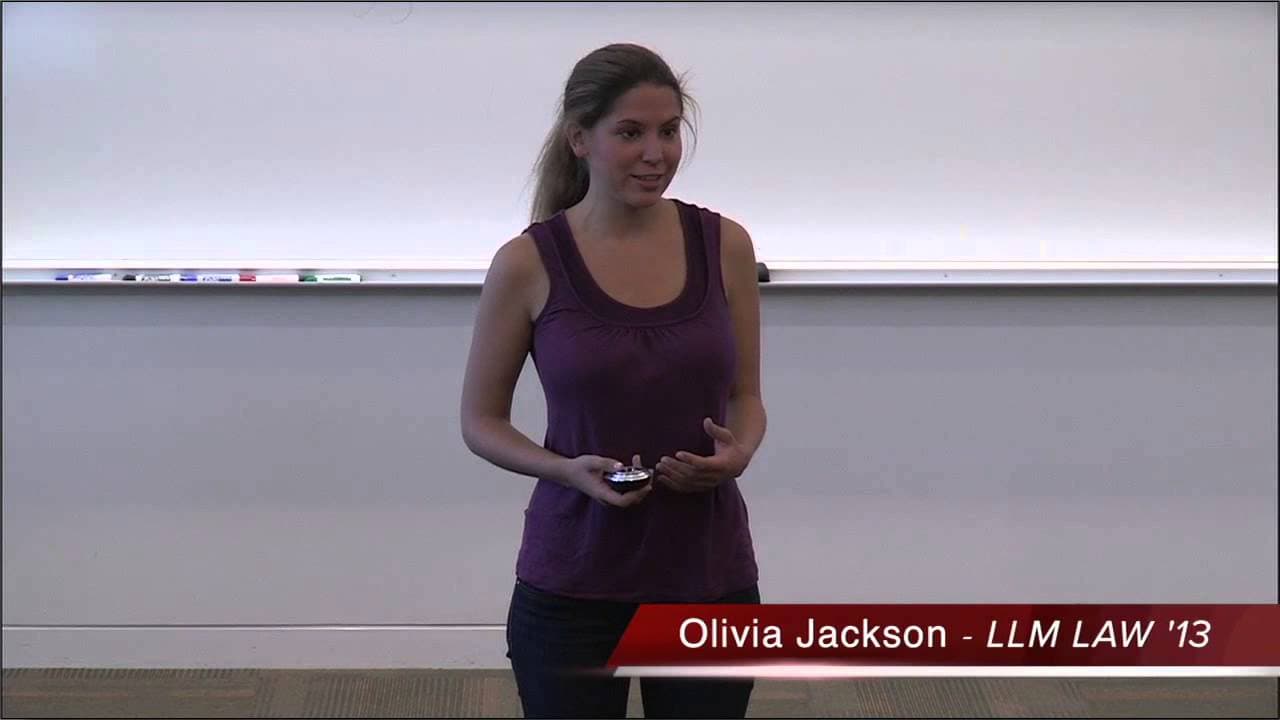
Transcript
I'd like to start by asking you guys to do something. Who Who here has a little bit of anxiety or has had some anxiety before presenting by a show of hands? And who here is presenting today? If you keep your hands up. Okay, great. So, I'd actually like to have you engage in something with me. So, for a moment, if you don't mind, put down your lapto... Read More
Install to Summarize YouTube Videos and Get Transcripts
Explore YouTube Video Summarizer or Get YouTube Transcript Extractor
Summary
The video discusses techniques to manage anxiety during presentations by controlling the mind and body. It suggests reframing presentations as conversations and offers tips on practicing conversationally, interacting with the audience, and using outlines instead of memorizing speeches. It also explores the concept of recognizing anxiety as normal and introduces the use of oxytocin, flow activities, and the Limerick technique to reduce stress levels. The video further delves into the concept of using power poses to feel more confident and discusses diaphragmatic breathing and mindfulness as methods to relax the body and bring focus to the present moment.
Questions & Answers
Q: How can reframing presentations as conversations help reduce anxiety?
Reframing presentations as conversations can help reduce anxiety because conversations are typically less intimidating and rigid than performances. By realizing that presentations allow for flexibility and interaction with the audience, presenters can alleviate the fear of not being perfect and focus on creating a dialogue rather than giving a flawless performance. Practicing with an outline, conversational practice, and audience interaction can make presentations more conversational and reduce anxiety.
Q: How does recognizing anxiety as normal contribute to managing it?
Recognizing anxiety as a normal response to stress can help manage it by normalizing the experience. By acknowledging that feeling anxious is a common reaction, individuals can avoid amplifying their anxiety through self-judgment or worrying excessively about being anxious. Accepting the presence of anxiety can help individuals focus on techniques to alleviate it rather than getting caught in a cycle of self-criticism.
Q: How can oxytocin help reduce stress levels prior to presentations?
Oxytocin, commonly known as the love hormone, has been found to reduce levels of stress hormones like adrenaline and cortisol. By generating oxytocin, individuals can help counteract the stress response associated with anxiety. Apart from hugging or shaking hands with a friend or a supportive audience member, engaging in behaviors that make individuals feel connected, supported, or loved can stimulate the release of oxytocin and contribute to reducing stress levels.
Q: What are flow activities, and how can they alleviate anxiety before presentations?
Flow activities refer to engaging in tasks or experiences that promote a state of flow, where individuals are fully immersed and focused. These activities, which can range from doing press-ups to singing or playing computer games, distract the mind from worries and anxieties. By focusing on the activity at hand, individuals can shift their attention away from future concerns and experience a calming effect on their nerves. Flow activities help individuals live in the present moment, reducing anxiety about performance and perceived status.
Q: How can power poses contribute to confidence during presentations?
Power poses, characterized by open postures and expansive body language, can enhance feelings of power and confidence. Adopting high-power poses before a presentation increases testosterone levels and decreases cortisol levels, providing a boost of assertiveness and reducing stress. By engaging in these poses, individuals can change their body posture and, in turn, influence their mindset to feel more confident. Projecting power through body language can positively impact one's perception of their own abilities and reduce anxiety.
Q: How does diaphragmatic breathing help manage anxiety?
Diaphragmatic breathing, also known as belly breathing, is a technique that stimulates the parasympathetic nervous system, promoting relaxation and shifting the body out of the fight-or-flight response. This type of breathing involves breathing in through the nose, holding the breath, and exhaling through the mouth, focusing on expanding and contracting the stomach. It allows for increased oxygen flow, relaxation of muscles, and a reduction in stress levels. By practicing diaphragmatic breathing, individuals can physically relax their bodies, creating a calmer state and reducing anxiety.
Q: What is the 5 4 3 2 1 technique in mindfulness?
The 5 4 3 2 1 technique in mindfulness is a practice that brings individuals into the present moment. It involves naming five things that are seen and five things that are heard, subsequently reducing the numbers to four, three, two, and one. This technique engages the senses, diverting attention from intrusive thoughts and anxious feelings. By focusing on the present surroundings, individuals can let go of worries and experience a state of calm.
Q: Why is non-judgmental awareness important in reducing stress and anxiety?
Non-judgmental awareness refers to observing and experiencing thoughts, emotions, and sensations without labeling them as good or bad. This practice allows individuals to detach from judgment and self-criticism, reducing the amplification of stress and anxiety. By accepting thoughts and emotions without judgment, individuals can create space for relaxation and calm, freeing themselves from the cycle of negative self-assessment. Non-judgmental awareness encourages individuals to focus on the present moment and adapt a neutral perspective towards their experiences.
Takeaways
The video emphasizes the importance of reframing presentations as conversations and offers tips such as outlining instead of memorizing speeches, practicing conversationally, and interacting with the audience to alleviate anxiety. It suggests recognizing anxiety as normal and utilizing techniques like generating oxytocin, engaging in flow activities, and utilizing power poses to boost confidence and reduce stress levels. Diaphragmatic breathing and mindfulness techniques, such as the 5 4 3 2 1 technique, are also highlighted as effective ways to relax the body and bring focus to the present moment. Trying out these techniques and exploring what works best for individuals is encouraged.
Read in Other Languages (beta)
Share This Summary 📚
Summarize YouTube Videos and Get Video Transcripts with 1-Click
Try YouTube Summary with ChatGPT & Claude or YouTube Transcript Generator
Explore More Summaries from Stanford Graduate School of Business 📚


Summarize YouTube Videos and Get Video Transcripts with 1-Click
Try YouTube Summary with ChatGPT & Claude or YouTube Transcript Generator