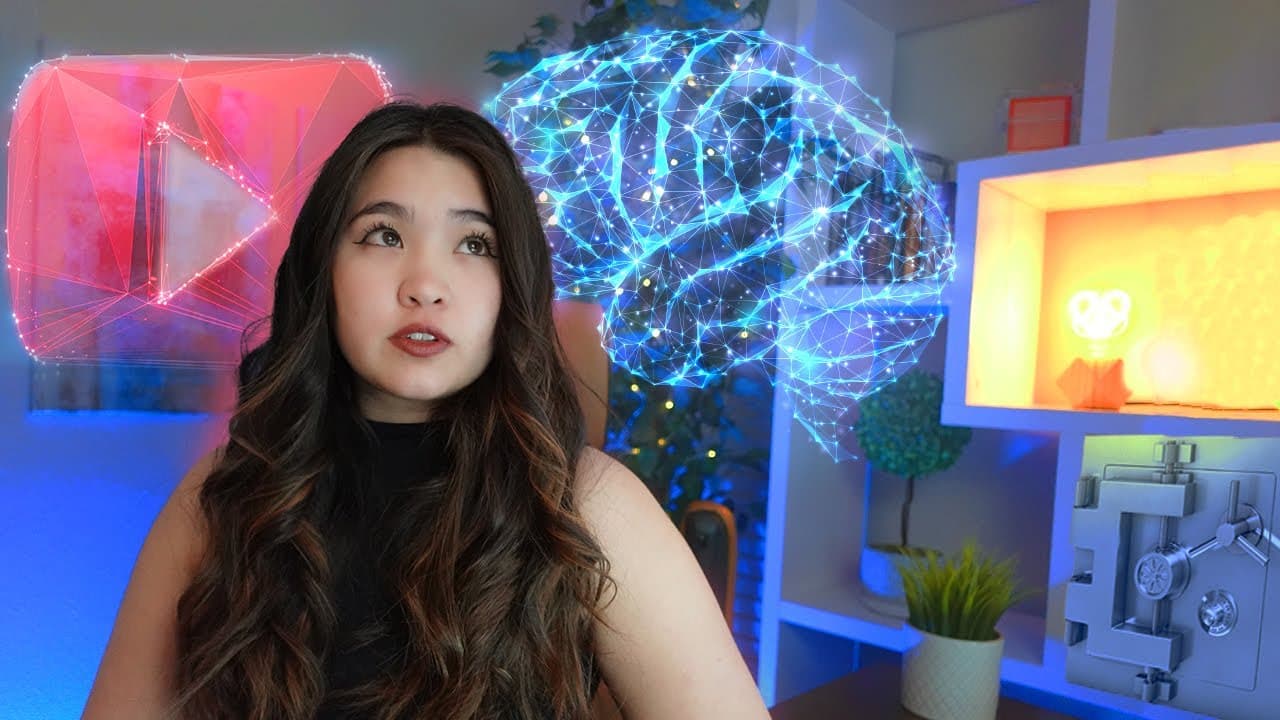
How to apply neuroscience for better YouTube videos
TL;DR
Attention is guided by bottom up and top down processing, so capture novelty, contrast, movement and relevance to your audience. Emotions boost learning and memory, so use storytelling, music and authentic visuals to trigger engagement. Structure videos with clear beginning, middle and end and tailor thumbnails and titles to audience goals to reduce attention leakage.
Transcript
what if the key to YouTube success wasn't dictated by algorithms Trends and keywords What If instead it lies deep within the complex and intricate workings of our own brains in this video we're diving into the captivating world of Neuroscience to uncover the secrets of attention emotion memory persuasion to unlock what makes YouTube videos successf... Read More
Key Insights
- Attention is limited and must be managed by leveraging bottom up drivers like novelty, contrast and movement to stand out in the feed.
- Top down attention is goal driven and relies on signaling viewer needs through clear audience signals in thumbnails and titles.
- Emotional arousal boosts learning and memory via the limbic system, so framing content with storytelling and mood improves retention.
- Novelty triggers curiosity and helps the brain allocate resources to new information, increasing engagement on first viewing.
- Contrast in visuals and text helps important features pop and guides the viewer to key messages quickly.
- Movement and dynamic editing create a sense of progression and prevent static slides from losing attention.
- Story structure, especially questions of character, desire and stakes, drives emotional involvement and transformation for the viewer.
- Sound design and music tone set the emotional atmosphere and can magnify the impact of educational content.
Install to Summarize YouTube Videos and Get Transcripts
Explore YouTube Video Summarizer or Get YouTube Transcript Extractor
Questions & Answers
Q: How can I capture attention at the start of my video using neuroscience ideas
To capture attention at the start you should leverage bottom up drivers such as novelty, contrast and movement. Introduce a surprising element, use a bold thumbnail and title that reflect the viewer goal, and include subtle but moving visuals or quick cuts in the first 10 seconds. This primes the brain to pay attention and sets expectations for the rest of the video.
Q: What role does top down processing play in a YouTube video
Top down processing aligns content with viewer goals and expectations. You signal relevance through clear audience signals in your title, thumbnail and early content, so viewers who want to learn a specific skill will recognize your video as worth watching. This reduces attention leakage and increases completion probability.
Q: Why is emotion important for memory and retention
Emotion engages the limbic system which helps prioritize and consolidate memories. Positive emotions like excitement can boost retention, while relevant emotional context supports understanding. Using storytelling, authentic tone and appropriate music can create an emotional arc that makes information stick beyond the first viewing.
Q: How should I structure a video to maximize engagement
Structure should follow a clear beginning, middle and end with a narrative thread. Address who the character is, what they want, the stakes, and how transformation happens. This creates a journey that guides attention, evokes emotion and improves comprehension, making viewers more likely to watch through to the end.
Q: What practical tips help improve thumbnails and titles
Thumbnails should visually signal the viewer goal, using clear imagery related to the skill or outcome. Titles should reflect the viewer intent, for example learning a skill or solving a problem. Consistency between thumbnail, title and video content reduces misclicks and strengthens viewer trust.
Q: How can I use movement without complex editing
Movement can be achieved with simple techniques like zooming in on one clip and then zooming out on the next, or using basic b roll. Even small camera motion or dynamic text shifts keeps the viewer visually engaged and helps convey progression without requiring advanced editing skills.
Q: What are effective ways to incorporate humor and sound design
Humor can soften complex topics and improve recall when used sparingly and relevantly. Light humor or quick gags paired with well chosen sound cues can create a memorable hook and set the right mood. Thoughtful sound design reinforces the emotional tone and pacing of the video.
Q: How does understanding audience goals improve video performance
Understanding audience goals helps tailor content to what viewers want to achieve. By signaling these goals in the title, thumbnail and early content, you clarify the payoff and reduce cognitive load. This alignment increases click rate, watch time and the likelihood of viewing more content from you.
Summary & Key Takeaways
-
A practical guide summarizes how bottom up and top down processing affect attention and how creators can leverage novelty, contrast and movement to capture viewer focus.
-
The video explains how emotion enhances memory formation and viewer retention, advising creators to use storytelling, sound design and authentic visuals to create a stronger emotional arc.
-
A concrete approach is offered for aligning content with audience goals through clear signals in titles, thumbnails and structure, enabling viewers to find and connect with the video more effectively.
Read in Other Languages (beta)
Share This Summary 📚
Summarize YouTube Videos and Get Video Transcripts with 1-Click
Try YouTube Summary with ChatGPT & Claude or YouTube Transcript Generator
Explore More Summaries from Aprilynne Alter 📚

Summarize YouTube Videos and Get Video Transcripts with 1-Click
Try YouTube Summary with ChatGPT & Claude or YouTube Transcript Generator