How to Optimize Sleep, Learning, and Metabolism
TL;DR
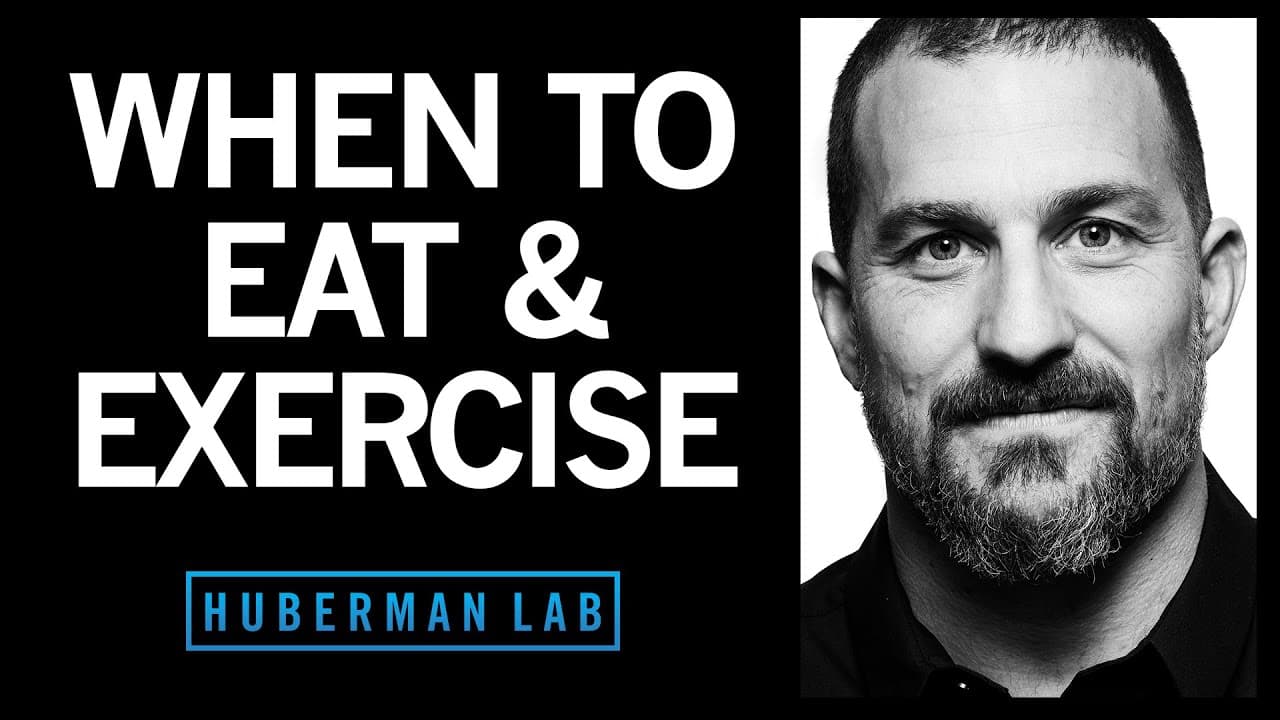
Optimizing sleep, learning, and metabolism involves managing light exposure, exercise, and circadian rhythms. Moonlight and candlelight do not disrupt sleep patterns, while red light can be beneficial if used dimly in the evening. Tailoring exercise to individual preferences and timing can enhance performance and recovery.
Transcript
[upbeat music] - Welcome to the Huberman Lab Podcast where we discuss science and science-based tools for everyday life. I'm Andrew Huberman, and I'm a Professor of Neurobiology and Ophthalmology at Stanford School of Medicine. This podcast is separate from my teaching and research roles at Stanford. It is however, part of my desire and effort to b... Read More
Key Insights
- 😪 Light exposure plays a critical role in regulating sleep-wake cycles and circadian rhythms. Moonlight and candlelight do not disrupt sleep as long as they are not too bright.
- 🙂 Red light can be used in dim settings in the evening without disrupting the circadian clock.
- 🥳 Exercise should be tailored to individual preferences and schedules, with considerations for specific times of day that optimize performance and reduce the risk of injury.
- 😪 Non-sleep deep rest (NSDR) and short naps can enhance neuroplasticity and improve learning and retention of information.
Install to Summarize YouTube Videos and Get Transcripts
Explore YouTube Video Summarizer or Get YouTube Transcript Extractor
Questions & Answers
Q: Can exposure to moonlight or candlelight disrupt sleep?
No, moonlight and candlelight do not reset the circadian clock or inhibit sleep as long as they are not too bright. The sensitivity of the circadian system to light decreases in the presence of moonlight or candlelight, allowing for undisturbed sleep.
Q: What is the role of red light in circadian rhythms?
Red light does not stimulate the wake-promoting melanopsin retinal cells and can be used in dim settings without disrupting the circadian clock. It may even have benefits for mitochondrial function in retinal cells.
Q: What is the best time of day to exercise?
The best time to exercise depends on individual preferences and schedules. Some studies suggest that exercising in the morning or afternoon can optimize performance and reduce the risk of injury. However, it is important to find a time that works best for you and to prioritize consistency in your exercise routine.
Q: Can non-sleep deep rest (NSDR) improve learning?
Yes, NSDR, which involves deep relaxation without falling asleep, has been shown to enhance learning and retention of information. Taking 20-minute periods of NSDR after learning can accelerate the learning process and improve memory.
Key Insights:
- Light exposure plays a critical role in regulating sleep-wake cycles and circadian rhythms. Moonlight and candlelight do not disrupt sleep as long as they are not too bright.
- Red light can be used in dim settings in the evening without disrupting the circadian clock.
- Exercise should be tailored to individual preferences and schedules, with considerations for specific times of day that optimize performance and reduce the risk of injury.
- Non-sleep deep rest (NSDR) and short naps can enhance neuroplasticity and improve learning and retention of information.
- The timing and duration of light exposure, exercise, and sleep can significantly impact cognitive function and overall well-being.
Summary & Key Takeaways
-
Light exposure, particularly in the early morning and evenings, plays a crucial role in regulating circadian rhythms and sleep-wake cycles.
-
Moonlight, candlelight, and fireplace light do not disrupt circadian rhythms and can be enjoyed without negatively affecting sleep.
-
Red light should be used in dim settings in the evening to avoid disrupting the circadian clock.
-
Exercise should be tailored to individual preferences and schedules, with considerations for specific times of day that optimize performance and reduce injury.
-
Non-sleep deep rest (NSDR) and short 20-minute naps can enhance neuroplasticity and improve learning and retention of information.
Read in Other Languages (beta)
Share This Summary 📚
Summarize YouTube Videos and Get Video Transcripts with 1-Click
Try YouTube Summary with ChatGPT & Claude or YouTube Transcript Generator
Explore More Summaries from Andrew Huberman 📚
Summarize YouTube Videos and Get Video Transcripts with 1-Click
Try YouTube Summary with ChatGPT & Claude or YouTube Transcript Generator