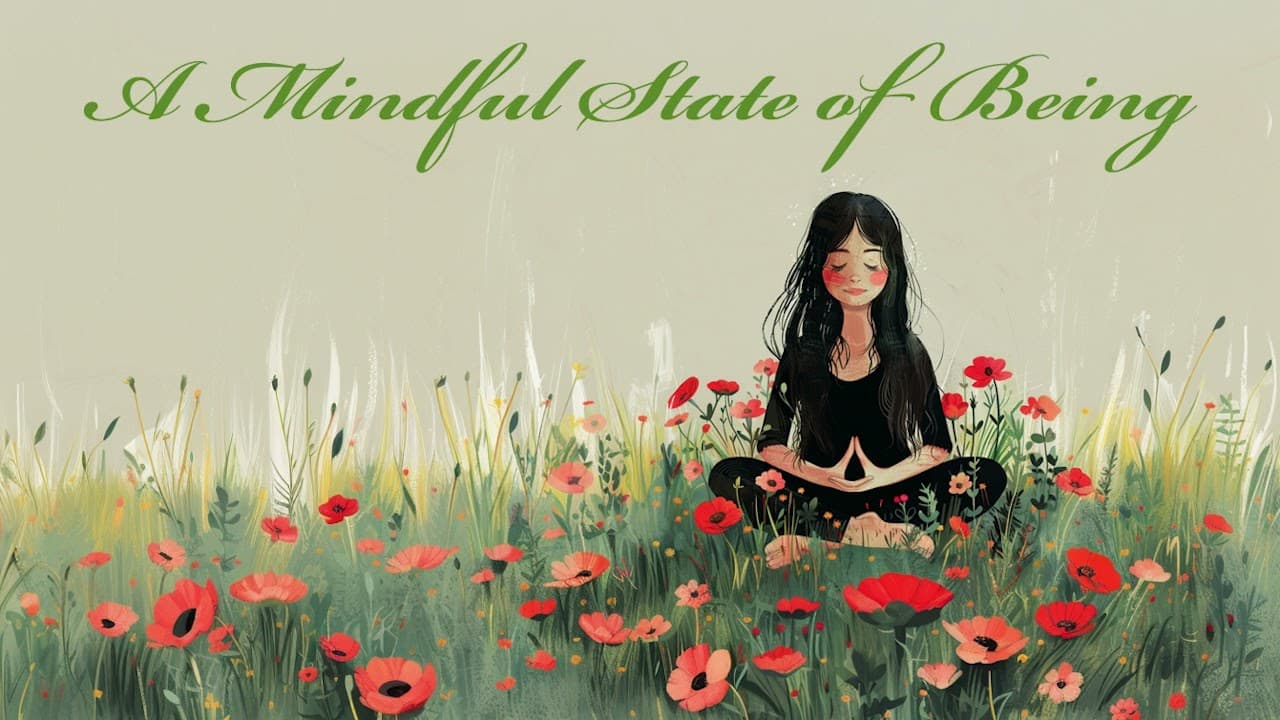
How to Wake Up in a Mindful State of Being
TL;DR
Begin by getting comfortable, closing your eyes, and observing your breathing, thoughts, emotions, and bodily sensations without judgment. Let each breath guide physical relaxation, release unnecessary tension in the face and shoulders, and repeatedly return your attention to simple observation. Finish with a long, deep breath, gratitude throughout the body, and a gradual return to your surroundings.
Transcript
allow yourself to get as comfortable as you'd like right now eyes softly closed an awareness gathered inwards letting your awareness rest on any Sensations that you notice as you breathe inviting yourself to become the Observer of you at least just for now making a commitment to allow yourself to be completely off the hook for any thoughts or feeli... Read More
Key Insights
- Mindful observation is the practice of noticing your breathing, sensations, thoughts, and feelings without judging them or becoming attached. During the meditation, awareness repeatedly returns inward so that you can remain present with the totality of who you are.
- Your role is to release responsibility for changing whatever thoughts or feelings appear. The practice asks you to become an observer of yourself, remain completely off the hook for inner experiences, and return attention to observation whenever the mind becomes occupied.
- Comfort is an adjustable part of the meditation rather than a fixed posture. You are invited to settle in, make any bodily changes that help you feel better, close your eyes softly, and use whatever natural breathing flow feels most comfortable.
- The breath is a guide for relaxing the body and maintaining present-moment awareness. One deep breath expands the stomach and rib cage, pauses at the top, and releases fully before breathing returns to an easy rhythm chosen at your own pace.
- A longer exhale may support a more relaxed feeling for many people. The meditation still emphasizes experimentation because the most comfortable breath can change from one inhalation or exhalation to the next, making personal observation more important than following a rigid pattern.
- Unused muscles can be invited to become slack and heavy during stillness. The face and shoulders receive particular attention because they presumably do not need to remain engaged, allowing them to soften while awareness continues observing the body.
- Silent spaciousness is part of the mindfulness practice. When verbal guidance pauses, you continue being with whatever is present inside you, without needing to judge, solve, change, or perform anything beyond simple observation.
- The closing breath is used to direct gratitude throughout the body before returning to ordinary awareness. After the exhale, breathing resumes naturally, the eyes slowly open, and the present-moment focus developed during meditation is carried into the surrounding world.
Install to Summarize YouTube Videos and Get Transcripts
Explore YouTube Video Summarizer or Get YouTube Transcript Extractor
Questions & Answers
Q: How do you begin this guided morning meditation?
Begin by making yourself as comfortable as you would like and softly closing your eyes. Gather your awareness inward and notice any sensations that arise as you breathe. Make whatever bodily adjustments help you feel better, then take a large, deep breath that fully expands your stomach and rib cage. Hold it briefly, perhaps take another small sip of air, and release it completely.
Q: How do you observe thoughts and feelings without judgment?
Make a commitment to let yourself off the hook for every thought or feeling that appears during the meditation. Instead of judging, changing, or becoming attached to an inner experience, simply notice that it is present. Your continuing role is to bring awareness back to observing yourself. The practice is not about producing a particular experience, but about being present with whatever is within you.
Q: How should you breathe during the meditation?
After the initial deep breath, return to whatever comfortable flow of breathing feels best in the moment. Let awareness of the breath help your body relax, and experiment gently rather than enforcing a fixed rhythm. An exhale extended by a few seconds may feel more relaxing, but each inhalation and exhalation can call for something different. Move at your own pace throughout the practice.
Q: What should you do when an emotion occurs during meditation?
When an emotion occurs, notice it without becoming attached to it. There is nothing you are required to judge, fix, suppress, or do about the feeling. Remain present with the emotion as part of everything currently within you, then allow awareness of your breathing to guide you toward physical relaxation. Continue returning to the position of an observer whenever your attention becomes involved with the experience.
Q: How do you relax your body during this mindfulness practice?
Start by adjusting your position until your body feels comfortable. As the meditation continues, invite any muscles you do not need to use to become more slack and heavy. Pay particular attention to the muscles in your face and shoulders, since they presumably do not need to remain engaged. Let the breath guide this process and release tension only in ways that feel good to you.
Q: What should you do during the silent pauses in the meditation?
During the pauses in verbal guidance, continue practicing simple presence with whatever exists within you. Observe sensations, thoughts, feelings, and breathing without judging them or trying to produce a result. The spaciousness is an opportunity to remain with yourself without constant instruction. If helpful, soften unused muscles and repeatedly return your attention to being present, trusting that however you practice is acceptable.
Q: Can you perform this mindfulness meditation incorrectly?
The guidance says you can only get the practice right however you do it and that you improve each time. Your task is not to achieve a prescribed feeling, control every thought, or maintain one exact breathing pattern. Instead, observe what is present, choose what feels comfortable, and return your awareness whenever needed. The practice supports trust in your own experience and pace.
Q: How do you finish the guided morning meditation?
On your next inhalation, take an especially long and deep breath while sending feelings of gratitude throughout your body. Exhale slowly at your own pace, then allow your breathing to return to whatever rhythm feels best. Acknowledge the present-moment focus and awareness you have practiced. Finally, slowly blink your eyes open, reconnect with the world around you, and carry that awareness forward.
Summary & Key Takeaways
-
The meditation begins by inviting you to become comfortable, close your eyes softly, and gather your awareness inward. You observe sensations associated with breathing and make any helpful physical adjustments. Your only role is to notice thoughts and feelings without judgment, then continually bring your awareness back to observing yourself.
-
Breathing becomes the guide for relaxation throughout the practice. After one large, deep breath, you return to a comfortable breathing rhythm and experiment with what feels best. A slightly longer exhale may feel more relaxing, but the appropriate pattern can differ with every inhalation and exhalation, so personal comfort remains central.
-
Periods of spaciousness allow you to practice being present without receiving constant instructions. You release muscles that are not needed, especially in the face and shoulders, and continue observing. The meditation closes with a long breath, gratitude directed throughout the body, and a slow reopening of the eyes while carrying awareness forward.
Read in Other Languages (beta)
Share This Summary 📚
Summarize YouTube Videos and Get Video Transcripts with 1-Click
Try YouTube Summary with ChatGPT & Claude or YouTube Transcript Generator
Explore More Summaries from Great Meditation 📚

Summarize YouTube Videos and Get Video Transcripts with 1-Click
Try YouTube Summary with ChatGPT & Claude or YouTube Transcript Generator