How Did Police Stop a Father During a Florida Standoff
TL;DR
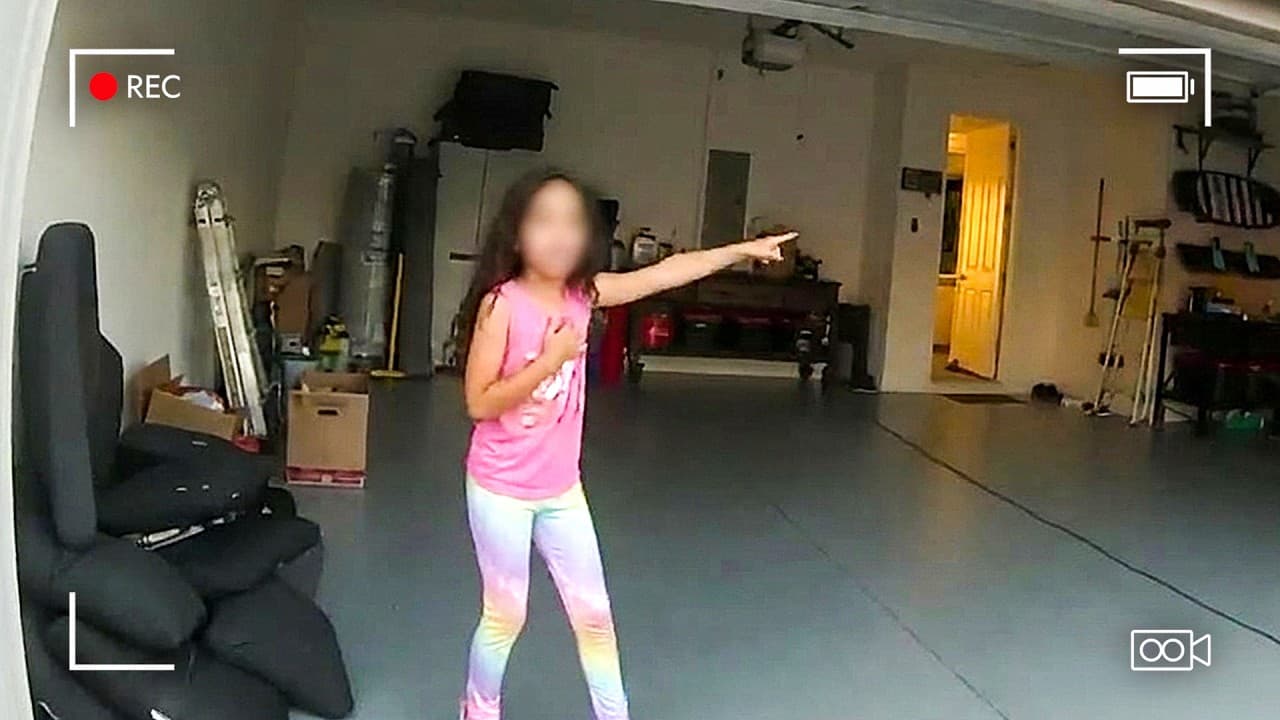
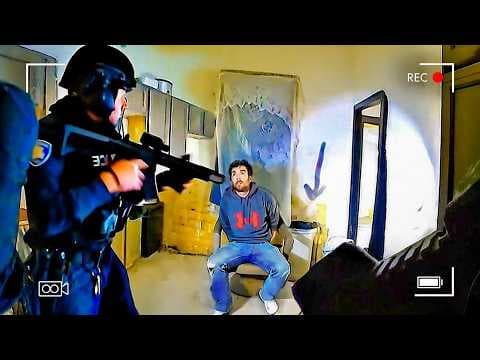
A father in Florida opened fire during a family dispute and barricaded himself inside a home, prompting a lengthy SWAT response. Officers, including a rookie and a sergeant, used a drone, a sniper, and negotiation attempts to evacuate the mother and two children safely while attempting to reach the suspect. The children ultimately aided by providing information to help resolve the standoff.
Transcript
ST. CLOUD POLICE DEPARTMENT. MAKE YOURSELF KNOWN. HOLD ON. Let me fix the next one. >> Florida SWAT are in the middle of a multi-hour rescue operation after a deranged father just shot his wife in front of their own children. >> Go. My son. That's her daughter. >> We're going to make sure we GET EVERYBODY RIGHT NOW. >> GO. You're got a rifle. Okay.... Read More
Key Insights
- The incident occurred in an upper class lakefront neighborhood in St. Cloud, Florida.
- The suspect, Jose Fontanez, shot his wife in front of their children before barricading inside the home.
- The first responders included a rookie officer, Garnesh, who faced direct gunfire while responding.
- Sergeant Patrick Mannix led the strategy to rush the shooter and rescue the wounded mother and children.
- A drone was deployed to locate the shooter and victim, but the drone was shot, complicating the operation.
- Negotiators attempted contact with the suspect in Spanish, highlighting language barriers in crisis response.
- The children provided crucial information about the suspect and motive, enabling targeted intervention.
- Ultimately, civilians were evacuated and the standoff was brought to a close through coordinated, multi-angle tactics.
Install to Summarize YouTube Videos and Get Transcripts
Explore YouTube Video Summarizer or Get YouTube Transcript Extractor
Questions & Answers
Q: How did the initial police response begin at the St Cloud scene?
Police responded with multiple patrol cars after the 911 call, quickly surrounding the home and establishing a perimeter while trying to identify the active shooter and protect potential civilians. The early actions also included directing neighbors and gathering information from witnesses, setting the stage for a controlled entry plan and the involvement of SWAT and K9 units.
Q: What role did Officer Garnesh play during the standoff?
Officer Garnesh, a rookie with six months on the force, faced direct danger as he approached the home. He and his partner were positioned about 70 feet away, moved to secure the south side, and began directing evacuations. His actions reflected frontline risk management and coordination with the broader rescue strategy.
Q: Who led the tactical plan and what was its core idea?
Sergeant Patrick Mannix led the operation, devising a bold plan to rush the shooter and extract the two children and their wounded mother while minimizing civilian and officer casualties. The plan required precise execution across multiple teams and real-time adaptation to the shooter’s responses.
Q: What complication arose after the drone was deployed?
The drone located the shooter and the victim but was shot by the suspect, which escalated tensions and forced responders to reassess the best route to safety. Loss of air visibility also hindered real-time assessment of the interior and delayed decisive action.
Q: How did language barriers affect the negotiation process?
Negotiators initially struggled due to the suspect speaking only Spanish, requiring a Spanish speaking officer to facilitate conversation. This delay affected the pace of contact and highlighted the challenges of crisis communication in multilingual emergencies.
Q: What crucial information did the children provide?
The children supplied vital details about the suspect, their father, and the family situation, including the suspect’s phone number and the fact that the mother had been shot. Their testimony helped negotiators identify possible motive and establish lines of contact for negotiations.
Q: What safety measures were taken to protect civilians?
Officers evacuated the wounded mother and the two children, moved bystanders behind cover, and re secured the area to prevent crossfire. The teams coordinated with vehicles and natural barriers to reduce exposure while arranging for the safe extraction of non participants.
Q: What is the broader significance of this incident according to the video description?
The video presents the event as a transparent, educational case study of a real police incident, illustrating how high pressure decisions unfold in the moment. It emphasizes the role of force multipliers such as drones and negotiators, while showing the importance of family involvement in stopping violent acts.
Summary & Key Takeaways
-
A chaotic, hours long standoff unfolded as law enforcement sought to rescue a mother and two children while facing gunfire from the suspect. The response included patrol cars, K9, SWAT, a drone, and a sniper, all coordinated under the leadership of a seasoned sergeant.
-
Negotiation efforts encountered language barriers and shifting tactics, with responders leveraging the suspect's own children to gain critical information and establish contact in an attempt to minimize further harm.
-
The operation culminated in the successful evacuation of civilians and a focus on stopping the threat, with the incident serving as a case study in high pressure tactical decision making and the role of direct family involvement in resolving violent standoffs.
Read in Other Languages (beta)
Share This Summary 📚
Summarize YouTube Videos and Get Video Transcripts with 1-Click
Try YouTube Summary with ChatGPT & Claude or YouTube Transcript Generator
Explore More Summaries from Dr Insanity 📚

Summarize YouTube Videos and Get Video Transcripts with 1-Click
Try YouTube Summary with ChatGPT & Claude or YouTube Transcript Generator