What Are the 12 Mistakes Every Investor Makes?
TL;DR
The 12 common mistakes investors make include timing the market, getting attached to purchasing prices, expecting unrealistic growth rates, and using excessive leverage. Investors should prioritize focusing on individual businesses, assess future performance, remain rational without following the herd, and avoid missing opportunities due to inaction. Recognizing and learning from these mistakes can significantly improve investment success.
Transcript
In this video, you’ll learn about 12 of the biggest mistakes that almost every investor makes, according to Warren Buffett. I’ll admit a few of my own investing sins along the way to be a good sport. This is the Swedish Investor, bringing you the best tips and tools for reaching financial freedom, through stock market investing. 1. Timing the Marke... Read More
Key Insights
- 👨💼 Focusing too much on market movements is a mistake; individual businesses should be the primary focus.
- ❓ The price at which a stock is purchased is irrelevant to its future performance.
- ☠️ Expecting aggressive growth rates is unrealistic, and very few companies achieve them.
- 🥺 Using excessive leverage is a high-risk strategy that can lead to substantial losses.
- 🧑🏭 Assessing the future economics of a business, the quality of management, and the price are crucial factors in investment decisions.
- ❓ Avoid following the herd and remain rational in decision-making.
- 🗯️ Inaction can be rewarding in investing, and it's important to wait for the right opportunities.
- 🙃 Diversification should be balanced, and owning a few quality companies is sufficient.
- 🤗 Confirmation bias is a common mistake; investors should be open to new information and reassess their conclusions.
- ❓ Shrinking the universe of investment opportunities and being narrow-minded can hinder success.
- 🥡 Omissions, or not taking action on promising opportunities, can be costly mistakes.
- 🎙️ More videos with Warren Buffett:
Install to Summarize YouTube Videos and Get Transcripts
Explore YouTube Video Summarizer or Get YouTube Transcript Extractor
Questions & Answers
Q: Why does Warren Buffett advise against timing the market?
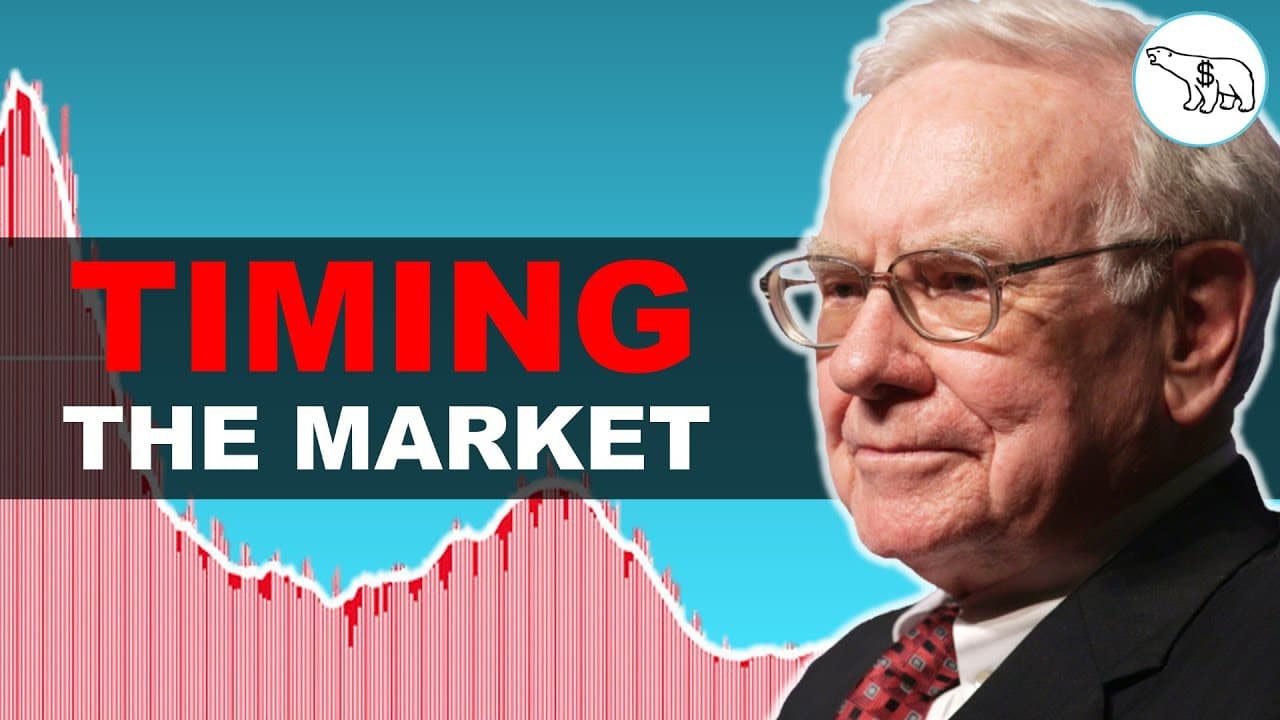
Buffett believes that predicting market movements is nearly impossible and focusing on individual businesses is a more fruitful strategy for successful investing. He cites Benjamin Graham, his investing role model, who also made the mistake of trying to predict market movements.
Q: Why does Buffett caution against getting attached to purchasing prices?
Buffett points out that the purchasing price of a stock has no impact on its future performance. It's important to focus on the company's potential and future prospects rather than dwell on past prices. Stocks do not differentiate between investors who gained or lost on their holdings in the past.
Q: Why does Buffett warn against aggressive growth projections?
Buffett believes that expecting very high growth rates is a mistake, as very few companies can sustain significant earnings growth. Many companies with high valuations make ambitious growth forecasts, but achieving those growth rates is challenging and may not lead to satisfactory returns for investors.
Q: Why is using too much leverage dangerous?
Buffett compares using a lot of leverage to playing Russian roulette. When investors borrow money to invest, they can be right about an investment but still lose due to not being able to cover their obligations. Leverage amplifies losses and can lead to bankruptcy, as illustrated by real-life examples.
Key Insights:
- Focusing too much on market movements is a mistake; individual businesses should be the primary focus.
- The price at which a stock is purchased is irrelevant to its future performance.
- Expecting aggressive growth rates is unrealistic, and very few companies achieve them.
- Using excessive leverage is a high-risk strategy that can lead to substantial losses.
- Assessing the future economics of a business, the quality of management, and the price are crucial factors in investment decisions.
- Avoid following the herd and remain rational in decision-making.
- Inaction can be rewarding in investing, and it's important to wait for the right opportunities.
- Diversification should be balanced, and owning a few quality companies is sufficient.
- Confirmation bias is a common mistake; investors should be open to new information and reassess their conclusions.
- Shrinking the universe of investment opportunities and being narrow-minded can hinder success.
- Omissions, or not taking action on promising opportunities, can be costly mistakes.
- Investors should be aware of potential future deadly sins and share insights and experiences to help others in the investing community.
Summary & Key Takeaways
-
Warren Buffett advises against timing the market and instead focusing on individual businesses rather than market movements.
-
He cautions against getting attached to the purchasing price of a stock, emphasizing that what matters is the future performance of the company.
-
Buffett warns against expecting high growth rates, as very few companies can sustain earnings growth of 15% or more.
-
He highlights the dangers of using leverage and how it can lead to significant losses, citing real-life examples.
-
Buffett emphasizes the importance of considering the future economics of a business, the quality of management, and the price when making investment decisions.
-
He advises investors to be cautious of following the herd and to stay rational, weighing the pros and cons objectively.
-
Buffett emphasizes the importance of inaction and waiting for the right opportunities, rather than investing daily or excessively.
-
He argues against excessive diversification and suggests that owning a few wonderful businesses is sufficient.
-
Buffett discusses the human tendency for confirmation bias and warns against interpreting new information to fit prior conclusions.
-
He cautions against shrinking one's universe of investment possibilities and urges investors to remain open-minded.
-
Buffett discusses the dangers of missing opportunities due to inaction, emphasizing that mistakes of omission can be costly.
-
He concludes by acknowledging the 12th deadly sin of investing could be yet to be discovered and encourages readers to share their experiences and insights.
Read in Other Languages (beta)
Share This Summary 📚
Summarize YouTube Videos and Get Video Transcripts with 1-Click
Try YouTube Summary with ChatGPT & Claude or YouTube Transcript Generator
Explore More Summaries from The Swedish Investor 📚






Summarize YouTube Videos and Get Video Transcripts with 1-Click
Try YouTube Summary with ChatGPT & Claude or YouTube Transcript Generator