How to Get Your Finances Together in 2022.
TL;DR
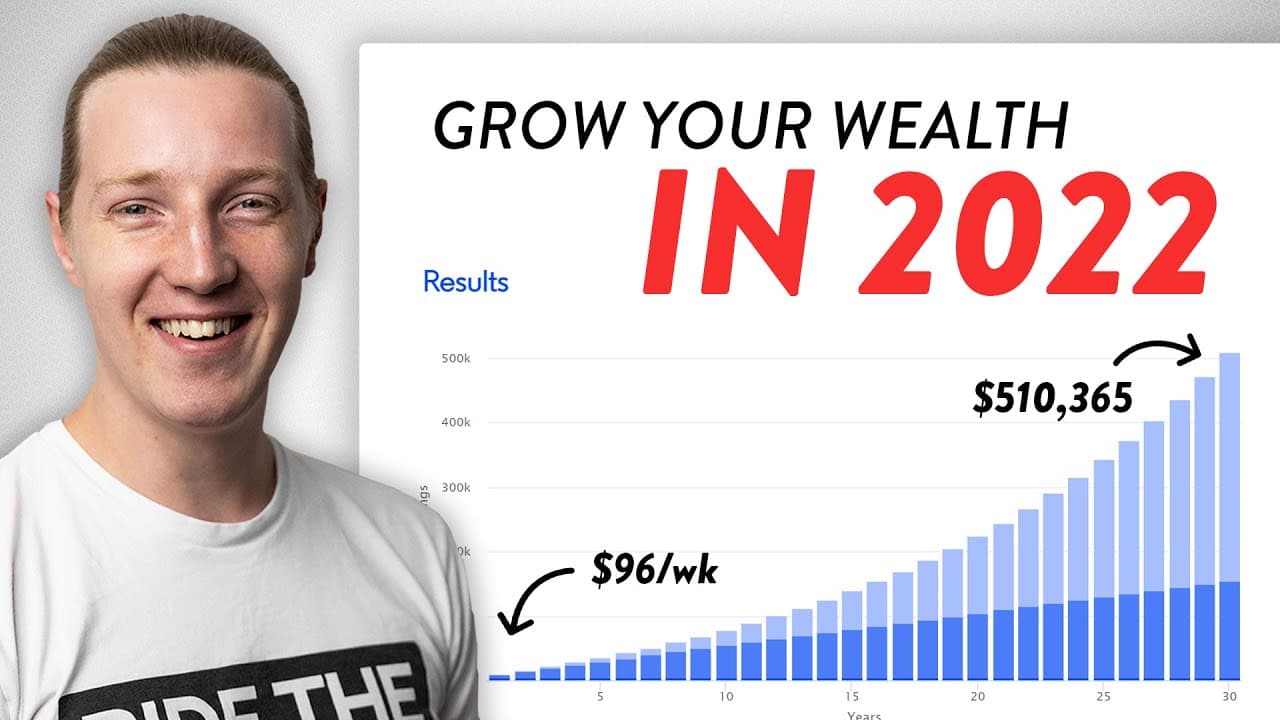
Get your finances together in 2022 by understanding your cash flow, clearing high-interest debt, building an emergency fund, increasing your income, and using passive stock market funds. Start by reviewing three months of bank history so quarterly bills and spending patterns are included, then act on what you find. Read on for the practical order of operations and the reasoning behind each step.
Transcript
well team welcome firstly to the new office and also welcome to 2022 isn't that ridiculous 2022. here we are anyway with the start of a new year comes a obviously really good time to hit the old reset button start fresh and also set some goals for the new year and i know over the past say two years with all that's happened a lot of people have real... Read More
Key Insights
- 🧑⚕️ Tracking expenses is crucial for understanding financial health and identifying areas for improvement.
- ✋ Paying off high-interest debt should be a priority to avoid financial pitfalls and improve savings.
- 🏛️ Building an emergency fund provides a financial safety net in case of unforeseen circumstances.
- ❓ Increasing income through various means like negotiation or starting a side gig can significantly improve financial stability.
- 💗 Investing in passive stock market funds can help grow wealth over time through compound interest.
- 🥺 Understanding personal finance, budgeting, and investing can lead to long-term financial success.
- 🤩 Setting financial goals, creating a plan, and taking consistent action is key to achieving financial stability.
Install to Summarize YouTube Videos and Get Transcripts
Explore YouTube Video Summarizer or Get YouTube Transcript Extractor
Questions & Answers
Q: How can you get your finances together in 2022?
Follow a five-step plan: understand where your money goes, pay off high-interest debt, build an emergency fund, increase your income, and invest in passive stock market funds. This order establishes your cash-flow position and financial safety before you focus on investing.
Q: How do you understand where your money is going?
Review your bank-account history for the past three months and total the money received from each income source. Then group every outgoing payment into relevant expense categories and add up the amount spent in each category.
Q: Why should you review three months of expenses?
Three months captures expenses that may not appear in a shorter period, including electricity bills paid quarterly. It also replaces assumptions about spending with the actual transactions shown in your bank history.
Q: Which expense categories should you track?
Track every category that applies to you, such as rent, groceries, car expenses, fuel, insurance, parking, registration, power, water, subscriptions, gym membership, and takeaway. Adding each category separately shows where money is leaking out of your account.
Q: Which debts should you prioritize paying off?
Prioritize high-interest debts such as credit-card debt and personal loans. The transcript distinguishes these from a mortgage at 3 percent, which it describes as low-interest debt.
Q: Should you invest while carrying high-interest debt?
The advice is to focus on eliminating high-interest debt before investing. Credit-card debt can work against you faster than typical stock-market gains can move you forward, so paying it down is presented as the stronger first move.
Q: What is the purpose of an emergency fund?
An emergency fund is a cash cushion for situations where things go wrong. Keeping it in a bank account makes the money liquid and ready to use when needed.
Q: How much should you keep in an emergency fund?
The general rule given is to save between three and six months of living expenses, with a minimum of three months. Use the spending total from your three-month bank-history review to estimate that amount.
Summary & Key Takeaways
-
Understand where money goes by tracking expenses for three months.
-
Pay off high-interest debt like credit cards to avoid financial pitfalls.
-
Build an emergency fund, increase income, and invest in passive stock market funds for financial success.
Read in Other Languages (beta)
Share This Summary 📚
Summarize YouTube Videos and Get Video Transcripts with 1-Click
Try YouTube Summary with ChatGPT & Claude or YouTube Transcript Generator
Explore More Summaries from New Money 📚


Summarize YouTube Videos and Get Video Transcripts with 1-Click
Try YouTube Summary with ChatGPT & Claude or YouTube Transcript Generator