Gamestop Stock CRASHES! But Who Won the Battle?
TL;DR
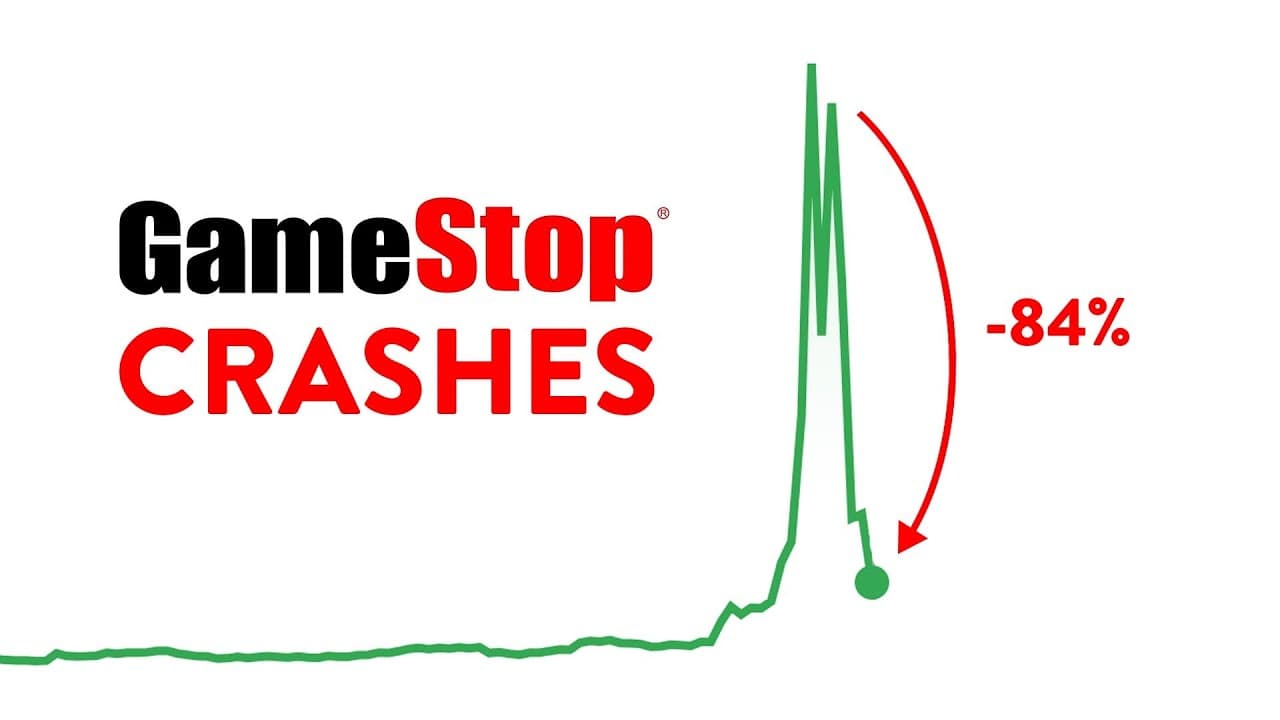
Both retail investors and short sellers won and lost during different stages of the GameStop battle. WallStreetBets traders initially forced a short squeeze, rewarding early buyers and hurting hedge funds, but broker purchase limits weakened buying pressure and the subsequent crash hurt later holders while creating opportunities for short sellers. Read on to see how the squeeze, trading restrictions, and reversal shifted the advantage.
Transcript
well folks what an amazing ride it has been but it seems as though the gamestop saga is finally drawing to a close so in this video what we're going to be looking at is who were the winners and who were the losers out of this whole ordeal that saw gamestop rock it up and then come crashing back down to earth so was it the retail investors that won ... Read More
Key Insights
- 🍰 GameStop and other heavily shorted stocks experienced a short squeeze orchestrated by retail investors from WallStreetBets.
- 🥺 Brokers imposed limits on buying GameStop shares, leading to a decline in buying pressure and a subsequent stock crash.
- 😉 Both retail investors and hedge funds experienced wins and losses in the GameStop saga.
- 🦔 Retail investors made significant profits initially, while hedge funds suffered major losses.
- 😀 However, in the second half of the saga, retail investors faced losses as the stock price fell, and short sellers started to profit.
- 💄 GameStop's rapid price increase was not supported by fundamental reasons, making it a speculative and risky investment.
- 🔊 Value investors often avoid such situations as they involve high speculation and gambling rather than sound investment strategies.
Install to Summarize YouTube Videos and Get Transcripts
Explore YouTube Video Summarizer or Get YouTube Transcript Extractor
Questions & Answers
Q: Who won the GameStop stock battle: retail investors or short sellers?
Both groups won and lost at different stages. Retail investors initially forced a short squeeze and some earned substantial profits, while hedge funds suffered major losses; after the price reversed, later retail buyers lost money and short sellers began to benefit.
Q: How did WallStreetBets traders trigger the GameStop short squeeze?
They noticed that GameStop was heavily shorted and coordinated purchases of its shares and call options. That buying pressure rapidly pushed the price higher and forced some short sellers to cover their positions.
Q: Why did brokers limit purchases of GameStop shares?
Brokers including Robinhood, Interactive Brokers, Charles Schwab, E-Trade, and TD Ameritrade imposed purchase limits to reduce the clearinghouse deposits they had to provide. The speaker says this was necessary to keep their businesses from going bust.
Q: How did broker purchase limits affect GameStop stock?
The restrictions immediately reduced the buying pressure supporting GameStop shares. Although Reddit traders generated another temporary surge, the stock subsequently fell sharply.
Q: How did early retail investors profit from GameStop?
Retail investors who bought before or during the early surge benefited as the short squeeze drove the share price upward. The transcript describes traders making hundreds of thousands or even millions of dollars and one investor using GameStop earnings to pay off student loans.
Q: What happened to Melvin Capital during the GameStop squeeze?
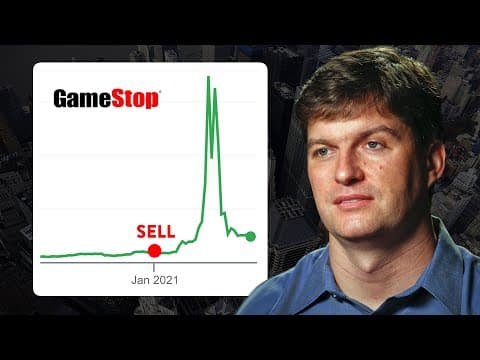
Melvin Capital was forced to cover its GameStop short position at a tremendous loss. The transcript says the hedge fund disclosed a major January loss and required additional funding during the saga.
Q: Did all GameStop short sellers close their positions during the squeeze?
No. According to the S3 Partners data cited in the transcript, short interest declined only modestly, suggesting that many short sellers held their positions or that new short sellers replaced those who covered.
Q: Why was GameStop considered a risky investment during the surge?
The page’s existing analysis says the rapid price increase was not supported by fundamental reasons. That made the trade highly speculative, with outcomes depending heavily on buying pressure, short covering, and the timing of the reversal.
Summary & Key Takeaways
-
GameStop, along with other heavily shorted stocks like BlackBerry and AMC, saw a massive surge in share prices due to retail investors organizing a short squeeze.
-
Brokers imposed limits on purchasing GameStop shares to mitigate potential losses, causing a decline in buying pressure and a subsequent stock crash.
-
Retail investors initially won as they made significant profits, while hedge funds suffered major losses. However, in the second half, retail investors faced losses as the stock price fell, and short sellers began to profit.
Read in Other Languages (beta)
Share This Summary 📚
Summarize YouTube Videos and Get Video Transcripts with 1-Click
Try YouTube Summary with ChatGPT & Claude or YouTube Transcript Generator
Explore More Summaries from New Money 📚
Summarize YouTube Videos and Get Video Transcripts with 1-Click
Try YouTube Summary with ChatGPT & Claude or YouTube Transcript Generator