How to Transform Your Love Life with Adlerian Psychology
TL;DR
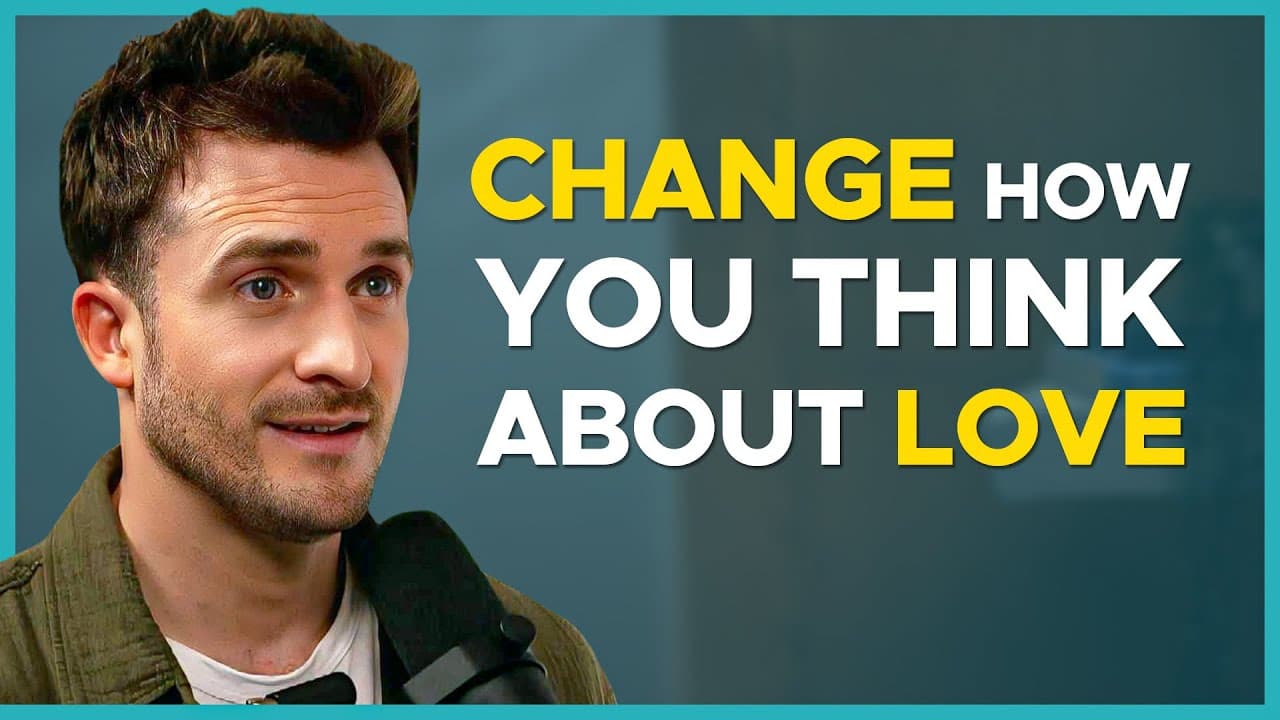
Adlerian psychology argues that your life is shaped by your goals, not past trauma. Change comes from choosing new, courageous goals and acting on them, even when it feels risky. By reframing problems as issues of social interest and personal purpose, you can alter relationships and self view.
Transcript
Trauma doesn't exist. I'm sorry. What? Your life. What did I pay that therapist for? Your life is not the way it is because of what you've been through or any of your limitations, but because of the goals you've set for yourself. Okay? You dislike yourself because disliking yourself is something you hold as a prized virtue. Where are you getting th... Read More
Key Insights
- Trauma is not the sole determinant of behavior; goals steer actions instead. This reframing shifts accountability from the past to present choices.
- Interpersonal problems are the core focus of Adlerian psychology, emphasizing how relationships shape personal development and happiness.
- A key mechanism is aligning actions with conscious goals rather than unconsciously avoiding discomfort. Courage becomes the core trait required to change.
- Blushing and avoidance can signal a hidden goal to avoid potential pain, not just fear, according to Adlerian analysis.
- The concept of lifestyle refers to daily decisions and their outcomes, not material conditions, underscoring agency in self transformation.
- Therapy and coaching can use goal setting to translate vague desires into concrete steps, making progress measurable and actionable.
- The dialogue uses stories to illustrate how people unconsciously protect self image, and how reframing can unlock authentic pursuit of goals.
- Adler’s approach contrasts with deterministic trauma models by proposing that even painful experiences can be repurposed to support growth when goals are clarified.
Install to Summarize YouTube Videos and Get Transcripts
Explore YouTube Video Summarizer or Get YouTube Transcript Extractor
Questions & Answers
Q: What is Adlerian psychology and how does it differ from trauma based explanations?
Adlerian psychology claims that life is guided by goals rather than past traumas. It argues that problems arise from how people choose to pursue these goals and from their avoidance of social engagement. This view shifts emphasis from the past to present intentions, suggesting change requires courage to pursue new aims even after hardship.
Q: How does the conversation describe the role of goals in dating and relationships?
The discussion suggests that desires to avoid rejection can mask real goals, such as wanting to protect self image. By identifying true aims in dating, individuals can act more boldly, moving from avoidance to proactive engagement, which can improve confidence and relational outcomes.
Q: What example is used to illustrate a hidden goal behind blushing?
A young woman blushes around a guy she likes, which the Adlerian lens interprets as a mechanism to avoid talking to him. Her real goal is not to risk rejection, and blushing becomes a strategy to preserve the fantasy of potential romance without facing real interaction.
Q: What does the book The Courage to be Disliked contribute to the discussion?
The book frames a debate where a philosopher defends Adlerian principles, including the idea that trauma does not determine life outcomes. It uses dialogues and scenarios to challenge determinism and to propose that choosing new, courageous goals can transform personal and social life.
Q: How is courage linked to changing one’s lifestyle according to the talk?
Changing one’s lifestyle is described as requiring courage because it means acting against established habits and comfort zones. Adlerian psychology emphasizes that genuine growth comes from choosing different goals and taking steps toward them, even when it is difficult.
Q: What role does the concept of social interest play in Adlerian psychology?
Interpersonal relationships are central to Adlerian thought, with problems arising from how people interact with others. Improving social connectedness and cooperation is viewed as a pathway to healthier self-perception and better romance outcomes, aligning personal goals with communal well being.
Q: How might Adlerian psychology influence practical dating advice?
Advice would focus on clarifying personal goals, identifying what one truly wants from relationships, and taking incremental steps toward those goals. It would encourage courageous actions over avoidance and would frame dating challenges as opportunities to demonstrate intentional, purposeful behavior.
Q: What is the difference between etiological and teleological explanations in this context?
Etiological explanations attribute outcomes to past causes like trauma, while teleological explanations emphasize current goals and purposes guiding behavior. Adlerian psychology favors teleology, arguing that present aims determine actions more than historical events.
Summary & Key Takeaways
-
Adlerian psychology claims trauma does not determine fate; goals shape behavior and outcomes. The conversation illustrates how people avoid actions due to fear, then reframes actions as courageous choices. This lens emphasizes intentional change over past pain to improve love life and relationships.
-
The discussion contrasts deterministic trauma models with goal oriented living, showing how avoidance behavior masks underlying aims. By identifying true goals, individuals can pursue healthier interactions and reduce self limiting narratives.
-
Participants explore practical examples from a novel and everyday life to demonstrate how changing one’s stance toward goals can unlock progress in dating, self confidence, and social engagement. The framework invites courageous shifts in lifestyle and mindset.
Read in Other Languages (beta)
Share This Summary 📚
Summarize YouTube Videos and Get Video Transcripts with 1-Click
Try YouTube Summary with ChatGPT & Claude or YouTube Transcript Generator
Explore More Summaries from Matthew Hussey 📚

Summarize YouTube Videos and Get Video Transcripts with 1-Click
Try YouTube Summary with ChatGPT & Claude or YouTube Transcript Generator