How to Tell Dating Anxiety From Real Red Flags
TL;DR
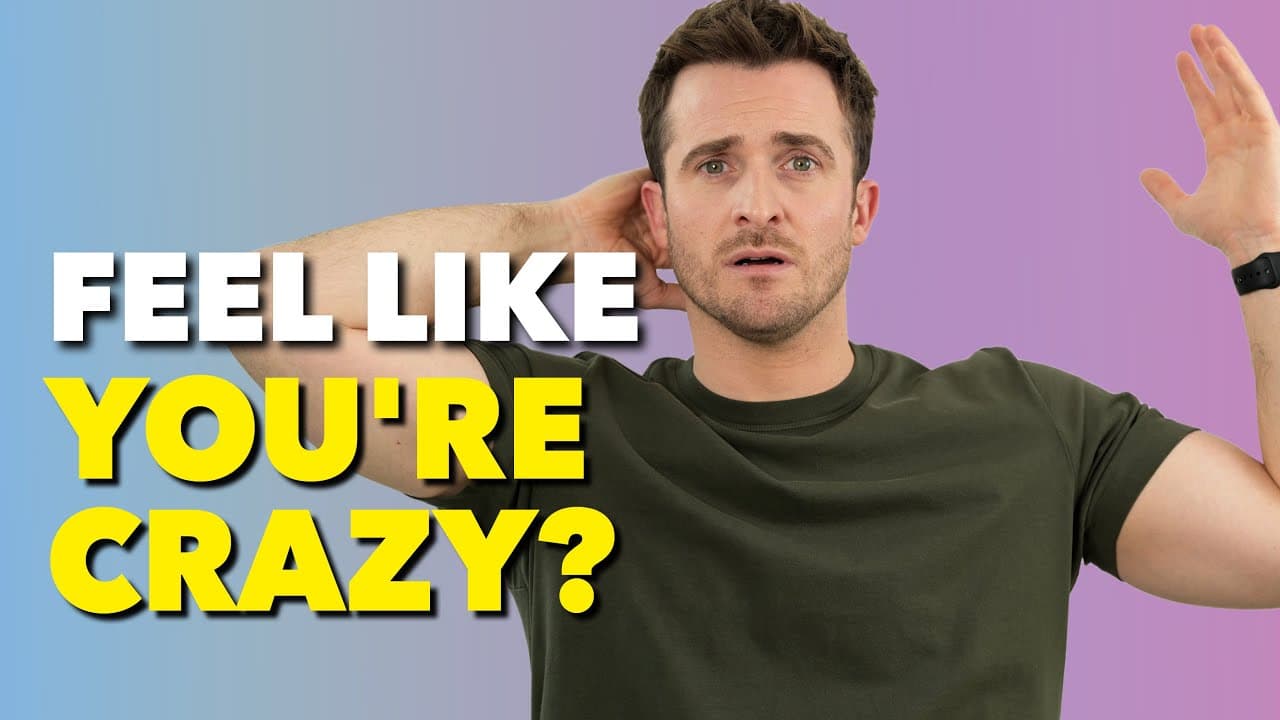
Judge a dating partner less by how strongly you feel about them and more by how their presence makes you feel. To separate anxiety from a genuine concern, regain focus on your own life, assess their behavior when you feel confident, consult a trusted and honest person, discuss vulnerability without accusations, and notice whether the relationship soothes or intensifies your insecurity.
Transcript
last week I did a live event called dating with results we had 13,000 people show up live to this event that is a small Arena it was crazy and amazing and so many people gave such beautiful feedback and there was one particular point that I made that really struck a chord with people here's a simple way of looking at this I need to Value this perso... Read More
Key Insights
- A person’s importance should be based on how their presence makes you feel, not only on how strongly you feel attracted to them. Attraction to charisma, appearance, or excitement does not answer whether the relationship leaves you secure, valued, loved, and clear about their intentions.
- Excessive attention can create a self-reinforcing cycle of anxiety. The more someone monopolizes your thoughts, the more important they seem, and the more anxiety grows. Reconnecting with exercise, friends, projects, and daily life can interrupt that cycle before the relationship has earned such emotional weight.
- A concern that disappears when you feel confident and connected to your worth is more likely related to your anxiety. A concern that remains even on your best day is more likely to reflect a conflict with your values or the kind of relationship you want.
- Trusted people can provide a reference point for a proportionate response when anxiety makes it difficult to judge a situation. The useful adviser is someone emotionally well-adjusted who will be honest about whether a reaction seems reasonable, rather than simply confirming what you want to hear.
- Observing feelings with a partner means describing anxiety, its trigger, and your personal responsibility for working on it. Inflicting feelings means acting through accusations, jealous anger, interrogation, or cold withdrawal. The observational approach creates space to understand the issue together.
- A partner’s response to vulnerability reveals important information about the relationship. When anxiety or insecurity is shared openly, their reaction may soothe and support healing, or it may inflame and aggravate the wound. That pattern can be more informative than deciding who is entirely right or wrong.
- Compatibility includes whether someone is good at handling the vulnerable, insecure, and imperfect parts you bring to a relationship. This does not make your emotional work their responsibility or excuse harmful behavior, but it recognizes that their response affects whether the relationship feels secure.
- A supportive relationship can move an anxiously attached person closer to security, while an unsuitable relationship can push that anxiety further toward an extreme. Strong attraction does not resolve a persistent mismatch in how two people handle vulnerability, emotional needs, and personal imperfections.
Install to Summarize YouTube Videos and Get Transcripts
Explore YouTube Video Summarizer or Get YouTube Transcript Extractor
Questions & Answers
Q: How can I tell if someone is pulling away or I am anxious?
Start by restoring your attention to your own life, then assess the person’s behavior when you feel confident, connected, and aware of your worth. If the concern largely disappears on your best day, anxiety may be driving it. If the behavior still troubles you when you feel secure, it may conflict with your values or relationship expectations and deserve a conversation.
Q: How should I judge a new dating partner’s importance?
Judge their importance by how having them in your life and consciousness affects you, rather than only by how attracted you feel to them. Someone may seem charismatic, attractive, interesting, and fun while still leaving you anxious, uncertain about their intentions, unloved, or unsure of yourself. Their investment and emotional effect should influence how much importance you give them.
Q: What should I do when early dating anxiety becomes obsessive?
Shift your focus toward activities that make you genuinely present in your own life. Lose yourself in a workout, spend quality time becoming interested in your friends and supporting them, or concentrate on a meaningful project. This interrupts the cycle in which repeated thoughts make the person seem increasingly important, and that inflated importance creates even more anxiety.
Q: Why should I evaluate dating behavior on my best day?
Your most insecure state can distort how you interpret another person’s actions. Evaluate the same behavior when you feel confident, connected to your life, grounded in your worth, and generally in a good flow. If your objections vanish, anxiety is probably contributing heavily. If they remain, the behavior may genuinely conflict with your values or desired kind of relationship.
Q: Can friends help me distinguish anxiety from a real concern?
A trusted, emotionally well-adjusted person can provide a reference point for what a proportionate reaction might look like. Choose someone you respect who will tell you directly when your reaction is reasonable and when it is not. Avoid relying only on friends who confirm what you want to hear, because reassurance without honesty will not resolve your confusion.
Q: How can I discuss dating anxiety without blaming my partner?
Describe the feeling as something you noticed rather than turning it into an accusation. You might explain that anxiety is something you have worked on and that not hearing from them brought up fear. This communicates vulnerability and ownership. Jealous interrogation, angry accusations, or deliberately becoming cold instead inflicts the emotion on the other person and makes joint understanding harder.
Q: What does a partner’s reaction to vulnerability reveal?
Their reaction shows how the relationship handles the imperfect parts each person brings to it. After you share anxiety openly and take responsibility for your own work, notice whether their response helps soothe and heal the insecurity or repeatedly inflames it. The issue is not always about identifying one person as right and the other as wrong. It is also about relational compatibility.
Q: What does it mean for a partner to be good at handling me?
It means they respond constructively when you openly share vulnerabilities, insecurities, anxieties, weaknesses, and flaws. This does not make them responsible for fixing your emotional patterns, nor does it excuse your worst behavior. It asks whether their responses support healing and greater security or aggravate your wounds. Persistent difficulty handling these parts of you indicates a compatibility problem that attraction alone will not remove.
Summary & Key Takeaways
-
Strong attraction can cause someone to receive more importance than their actual investment deserves. A better measure is how their presence affects your daily emotional state. Feeling consistently anxious, unsure, unloved, or confused matters, even when the person seems attractive, charismatic, interesting, or especially enjoyable during dates.
-
When a relationship is too new for deep vulnerability, redirect attention toward workouts, friendships, meaningful projects, and other absorbing parts of life. Then evaluate the person’s behavior while feeling confident and connected to your worth. If the concern remains on a good day, it may conflict with your values or relationship goals.
-
Vulnerability should be shared as an observation rather than imposed through accusations, anger, jealousy, or coldness. The other person’s response provides useful information about compatibility. A supportive relationship can help soothe and heal anxious patterns, while a poorly matched relationship may repeatedly aggravate insecurity despite the personal work being done.
Read in Other Languages (beta)
Share This Summary 📚
Summarize YouTube Videos and Get Video Transcripts with 1-Click
Try YouTube Summary with ChatGPT & Claude or YouTube Transcript Generator
Explore More Summaries from Matthew Hussey 📚

Summarize YouTube Videos and Get Video Transcripts with 1-Click
Try YouTube Summary with ChatGPT & Claude or YouTube Transcript Generator