What Happens to Earth If Humans Disappear?

TL;DR
Without humans, nature rapidly reclaims urban areas and restores biodiversity, demonstrating resilience and adaptability. Abandoned spaces evolve into habitats for various species, while the long-term effects of human pollution and resource depletion are revealed, underscoring the necessity of managing population growth and human impact on the environment.
Transcript
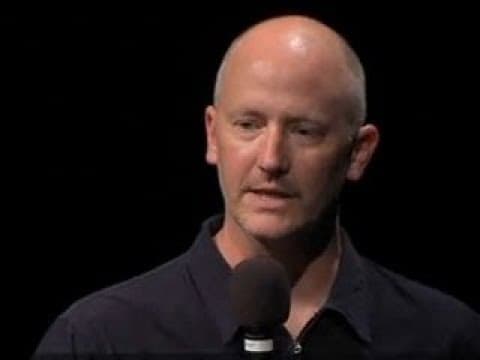
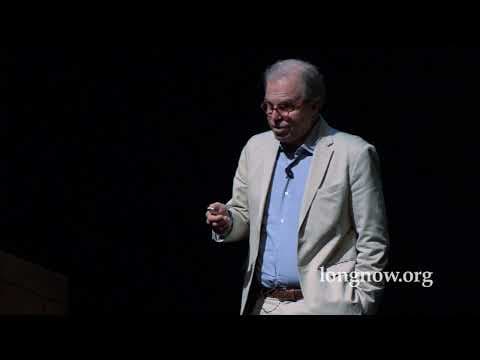
good evening I'm Stuart brand from the long now foundation and our speaker tonight Alan Weissman is on another case it's he's a journalist in a sense the science journalist and it's been a fair amount of journalism about the present that's where almost all of it is there's some journalism that's about the past most of it is sort of archaeology or h... Read More
Key Insights
- 👻 The absence of humans allows nature to reclaim and restore habitats, demonstrating its resilience and ability to adapt.
- ⚖️ Human activities, such as pollution and resource depletion, have a significant impact on the environment and its delicate balance.
- 🧑⚕️ Managing population growth is crucial for a sustainable future, as it affects resource consumption and the overall health of the planet.
- 💅 Conservation efforts and responsible stewardship of the planet are needed to preserve the beauty and diversity of nature for future generations.
- 🌐 The interconnectivity of different ecosystems and species highlights the importance of understanding the global environmental crisis as a whole.
- 💅 Recognizing the value and beauty of nature can foster a sense of responsibility and motivate individuals to take action in preserving the environment.
- 👻 The concept of imagining a world without humans allows for reflection on the impact of human activities and the potential for positive change.
Install to Summarize YouTube Videos and Get Transcripts
Explore YouTube Video Summarizer or Get YouTube Transcript Extractor
Questions & Answers
Q: How did Alan Weissman come up with the idea to explore a world without humans?
Weissman wanted to find a way to write about the global environmental crisis in a more accessible way, and the idea of imagining a world without humans sparked his interest.
Q: What are some examples of locations Weissman visited to see how nature would reclaim it?
Weissman visited the Bialowieza Forest in Poland, the DMZ in Korea, and the Chernobyl disaster site in Ukraine to study how nature has reclaimed these areas in the absence of human intervention.
Q: How does Weissman propose to write a bestseller about the environment that appeals to a wider audience?
Weissman suggests starting with the premise of a world without humans and exploring how nature would respond. By framing it as a thought experiment and including stories from various locations, he aims to engage a broader audience.
Q: What are some key insights from Weissman's exploration of a world without humans?
- Nature has the ability to rebound and restore itself in the absence of human intervention.
- Human activities have a significant impact on the environment, from pollution to the depletion of resources.
- Managing population growth is crucial to ensure a sustainable future for both humans and nature.
- The beauty and resilience of nature highlight the need for conservation efforts and responsible stewardship of the planet.
Summary & Key Takeaways
-
Journalist Alan Weissman embarked on a journey to explore what would happen if humans suddenly disappeared from the world, looking at various locations and assessing the impact on nature.
-
Weissman discovered that nature has the ability to rebound and restore itself, with abandoned areas becoming biodiverse habitats.
-
The book raises questions about the impact of human activities on the environment and the need to manage population growth to ensure a sustainable future for both humans and nature.
Read in Other Languages (beta)
Share This Summary 📚
Summarize YouTube Videos and Get Video Transcripts with 1-Click
Try YouTube Summary with ChatGPT & Claude or YouTube Transcript Generator
Explore More Summaries from Long Now Seminars 📚
Summarize YouTube Videos and Get Video Transcripts with 1-Click
Try YouTube Summary with ChatGPT & Claude or YouTube Transcript Generator