How to use reciprocity in negotiations effectively
TL;DR
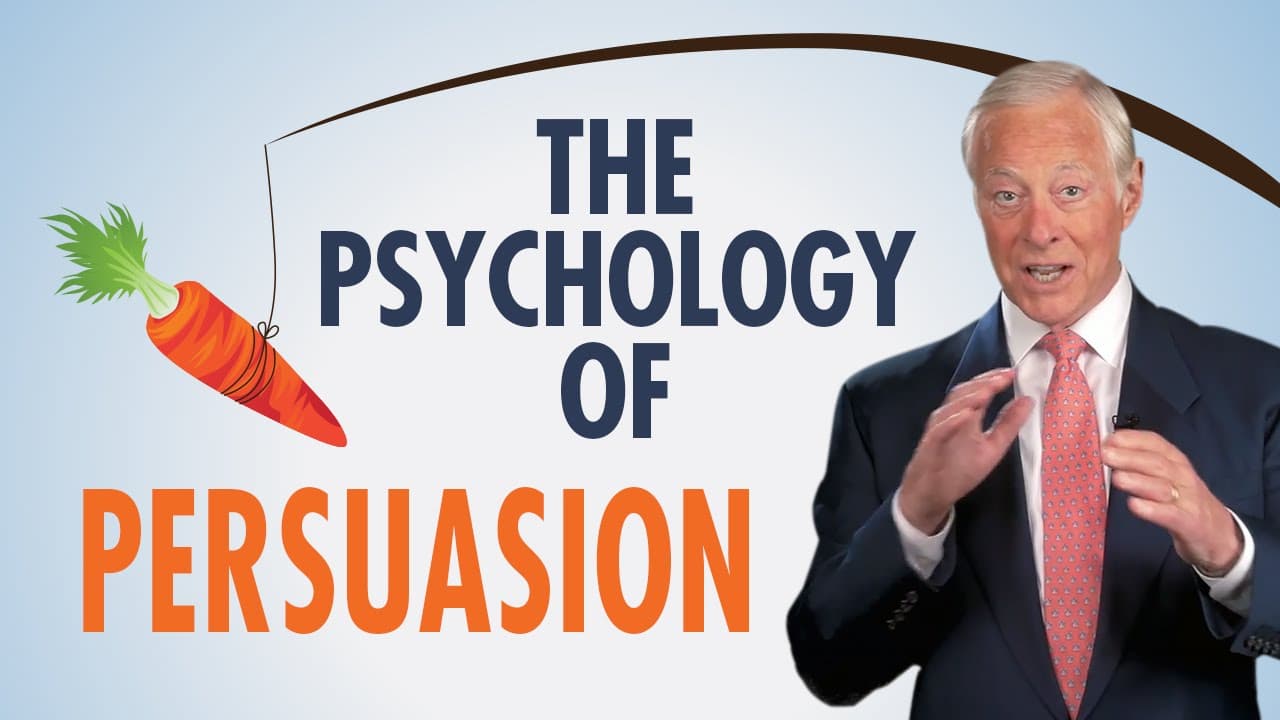
Reciprocity works by triggering a desire to return favors, which can shape negotiation outcomes. Start by doing small helpful acts, ask many questions to seem reasonable, and slow down agreement on complex issues. Always seek something in return and focus on favorable terms rather than just price to gain leverage.
Transcript
Let's talk today about negotiation tactics. One of the most powerful of all is called persuasion by reciprocation. Now, this is based on what is called the law of reciprocity. It's considered by many to be the most powerful law of human nature. And what it says is this. If you do something nice for me, I'll do something nice for you. I feel obligat... Read More
Key Insights
- Reciprocity is a powerful law of human nature that drives reciprocal behavior.
- Emotional reciprocity includes expressions of appreciation and politeness that make others feel valued.
- Material reciprocity involves tangible acts like lending a tool or helping with a task.
- The starting point is to look for opportunities to do things for others to trigger reciprocity.
- Use the Socratic method by asking many questions to increase liking and openness to influence.
- In negotiations, if there is disagreement, pause and move on to other parts before revisiting difficult points.
- Agree slowly to maintain strength and leverage for future issues.
- Frequently mention fairness to trigger emotional responses that can reduce resistance and increase cooperation.
- More videos from this channel:
- More from this channel: Brian Tracy
Install to Summarize YouTube Videos and Get Transcripts
Explore YouTube Video Summarizer or Get YouTube Transcript Extractor
Questions & Answers
Q: A real search query question about the video (e.g. 'How to...', 'What is...', 'Why does...', 'When should...'). Question 1
What is the law of reciprocity and how does it influence negotiation outcomes? The law of reciprocity states that if you do something for someone, they feel a social obligation to return the favor. In negotiation, leveraging small acts of kindness or useful items creates goodwill, increases the other party's willingness to reciprocate, and can shift the balance of power toward your preferred terms.
Q: Question 2
How does emotional reciprocity differ from material reciprocity in practice? Emotional reciprocity involves making someone feel appreciated or valued through words and gestures, which strengthens rapport and may soften stance. Material reciprocity involves tangible exchanges or favors that create a direct expectation of repayment. Both types can be used to build leverage, but they operate on different psychological triggers.
Q: Question 3
Why should you start negotiations by offering something helpful rather than immediately pushing for concessions? Starting with a helpful gesture sets a collaborative tone and activates reciprocity, making the other party more receptive to your perspective. It reduces defensiveness and creates a sense of mutual benefit, which can lead to more favorable terms later in the discussion.
Q: Question 4
What is the role of the Socratic method in negotiation as described in the video? The Socratic method, which relies on asking many questions and listening carefully, increases the other party's perception that you are reasonable and understand their point of view. This can lower resistance and invite reciprocation, as people tend to engage more openly when they feel heard.
Q: Question 5
When should you push back on difficult clauses in a negotiation according to the talk? If there is a difficult clause, you should table it temporarily and continue with other parts of the material. Later, revisit the issue with fresh context. This approach preserves momentum and prevents early breakdowns, while preserving leverage for later concessions.
Q: Question 6
What does it mean to agree slowly in negotiations and why is it beneficial? Agreeing slowly means taking deliberate time on each point, even if there is no immediate issue. This slower pace provides greater leverage when later tackling more important terms, as it signals careful consideration and raises the perceived value of concessions you may later win.
Q: Question 7
How can the word fair affect negotiations and why is it effective? The word fair triggers an emotional response that can soften resistance and foster cooperation. By repeatedly framing issues as fair, you cue a desire to maintain equity and balance, making the other party more amenable to accepting proposals or compromises.
Q: Question 8
What is the difference between price and terms in a deal, and why is this distinction important? Price is the numerical cost, while terms are the conditions under which the deal is executed. By offering favorable terms, you can justify a higher price or secure long-term advantages. The distinction allows you to structure a deal that benefits you more despite apparent cost.
Summary & Key Takeaways
-
Reciprocity is a powerful influence principle that drives people to respond in kind when others help them, increasing openness and cooperation. By offering small acts of kindness or useful information, you create a sense of obligation that can sway negotiations in your favor.
-
The speaker emphasizes strategic questioning, the Socratic method, and pacing as critical skills. Asking more questions and appearing reasonable increases the other party’s willingness to reciprocate and consider your point of view.
-
A practical rule is to never give a concession without getting something in return, and to distinguish price from terms, so favorable terms can justify a higher price if needed.
Read in Other Languages (beta)
Share This Summary 📚
Summarize YouTube Videos and Get Video Transcripts with 1-Click
Try YouTube Summary with ChatGPT & Claude or YouTube Transcript Generator
Explore More Summaries from Brian Tracy 📚


Summarize YouTube Videos and Get Video Transcripts with 1-Click
Try YouTube Summary with ChatGPT & Claude or YouTube Transcript Generator