How to Create an Effective Action Plan for Goals?
TL;DR
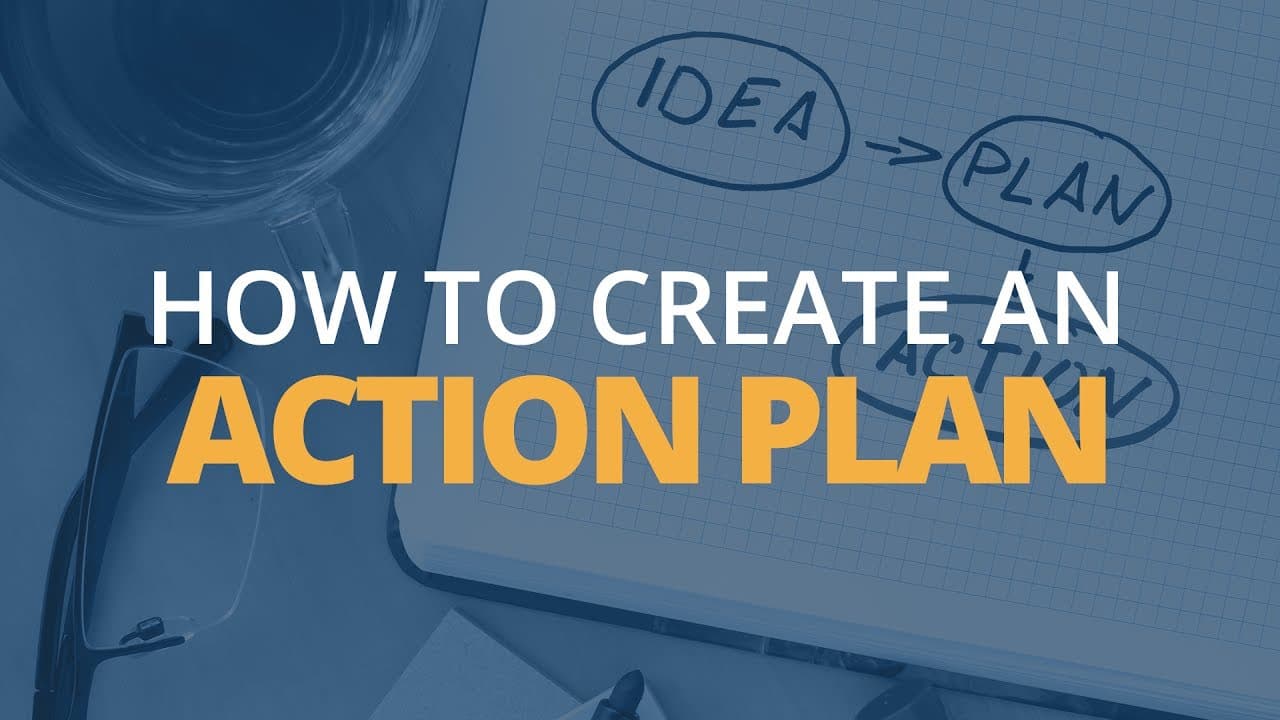
An effective action plan starts with clearly defined, specific goals written down and then organized into deadlines. Build a comprehensive task list, identify obstacles and needed knowledge, and prioritize with 80/20 thinking. Plan daily, weekly, and monthly, then take consistent action and adjust as you progress.
Transcript
your problem is to bridge the gap between where you are now and the goals you intend to reach hello I'm Ryan Tracy and today I want to show you how to create an action plan for achieving your goals everyone has goals but some seem to accomplish far more than others that's because people who accomplish goals at a higher rate than the average person ... Read More
Key Insights
- Clear, specific goals dominate success because vague aims fail to guide concrete actions.
- Writing goals on paper activates subconscious commitment and primes you to attract resources and opportunities.
- Deadlines act as a forcing function for timely progress, while sub deadlines break large goals into manageable steps.
- A comprehensive list of tasks and required skills helps reveal the full path to a goal and keeps you motivated.
- Prioritization uses the 80/20 rule to focus on the few activities that yield the most results.
- Planning time is highly productive: the first 20 percent of planning yields about 80 percent of the eventual results.
- Plan across daily, weekly, and monthly horizons to create a reliable rhythm that sustains momentum.
- Constant action with progress tracking and adjustments transforms intentions into measurable outcomes.
- More videos from this channel:
- More from this channel: Brian Tracy
Install to Summarize YouTube Videos and Get Transcripts
Explore YouTube Video Summarizer or Get YouTube Transcript Extractor
Questions & Answers
Q: How do you start building an action plan for a goal?
Begin with a clear, written goal that specifies exact outcomes in each life area. Then set a target date and break the goal into a prioritized list of tasks. Identify obstacles, required knowledge or skills, and the people who can help. This creates a concrete roadmap you can follow daily.
Q: Why is writing down goals emphasized in the video?
Writing goals down makes them tangible and activates a subconscious mechanism that enhances focus and expectation. It helps you notice opportunities and aligns your actions with the specific targets you set, increasing your motivation and likelihood of taking relevant steps consistently.
Q: What role do deadlines play in goal attainment?
Deadlines provide a concrete timeline that pressures you to act, preventing procrastination. They can be broken into sub deadlines to maintain momentum and reevaluate progress. The idea is to use time boundaries to drive steady progress toward the goal while remaining flexible if needed.
Q: How is the 80/20 rule applied to planning?
The 80/20 rule is used to identify the small set of activities that will produce the majority of results. By focusing on the top 20 percent of tasks, you can yield about 80 percent of the outcomes, making planning more efficient and execution more effective.
Q: What should a comprehensive plan include according to the video?
A comprehensive plan includes the goal, deadlines, a complete list of tasks, identified obstacles, required knowledge or skills, and the people whose help is needed. It also involves sequencing tasks, prioritizing them, and scheduling daily, weekly, and monthly actions to ensure steady progress.
Q: How should planning time be structured to maximize results?
Plan each day, week, and month in advance, with the weekend used to prepare the upcoming period. The more careful you are in planning, the more you will accomplish in less time, because planning reduces execution time and clarifies what matters most.
Q: What is the recommended approach to daily priorities?
Each day, identify the single most important task (the top 1) and the next best task (the top 2) to ensure you tackle high value activities first. This sequencing helps you stay focused and ensures your daily actions contribute meaningfully toward the goal.
Q: What should you do after taking action on a plan?
Keep track of progress, review results, and make adjustments as needed. Continuously moving toward the goal with regular check ins ensures you stay aligned with objectives and can adapt to new information or changing circumstances.
Summary & Key Takeaways
-
Goal clarity and written plans drive achievement by turning intentions into measurable targets across health, career, finances, relationships, and growth. Writing goals activates a motivational sequence and guides systematic action.
-
A complete action plan requires deadlines, sub deadlines, and a prioritized task list organized by sequence. Regular planning sessions save time and increase results as you move from planning to execution to adjustments.
-
Progress comes from daily action and ongoing adjustments. Tracking milestones, reviewing priorities, and leveraging feedback keep you aligned with your long term goals and accelerate momentum toward desirable outcomes.
Read in Other Languages (beta)
Share This Summary 📚
Summarize YouTube Videos and Get Video Transcripts with 1-Click
Try YouTube Summary with ChatGPT & Claude or YouTube Transcript Generator
Explore More Summaries from Brian Tracy 📚




Summarize YouTube Videos and Get Video Transcripts with 1-Click
Try YouTube Summary with ChatGPT & Claude or YouTube Transcript Generator