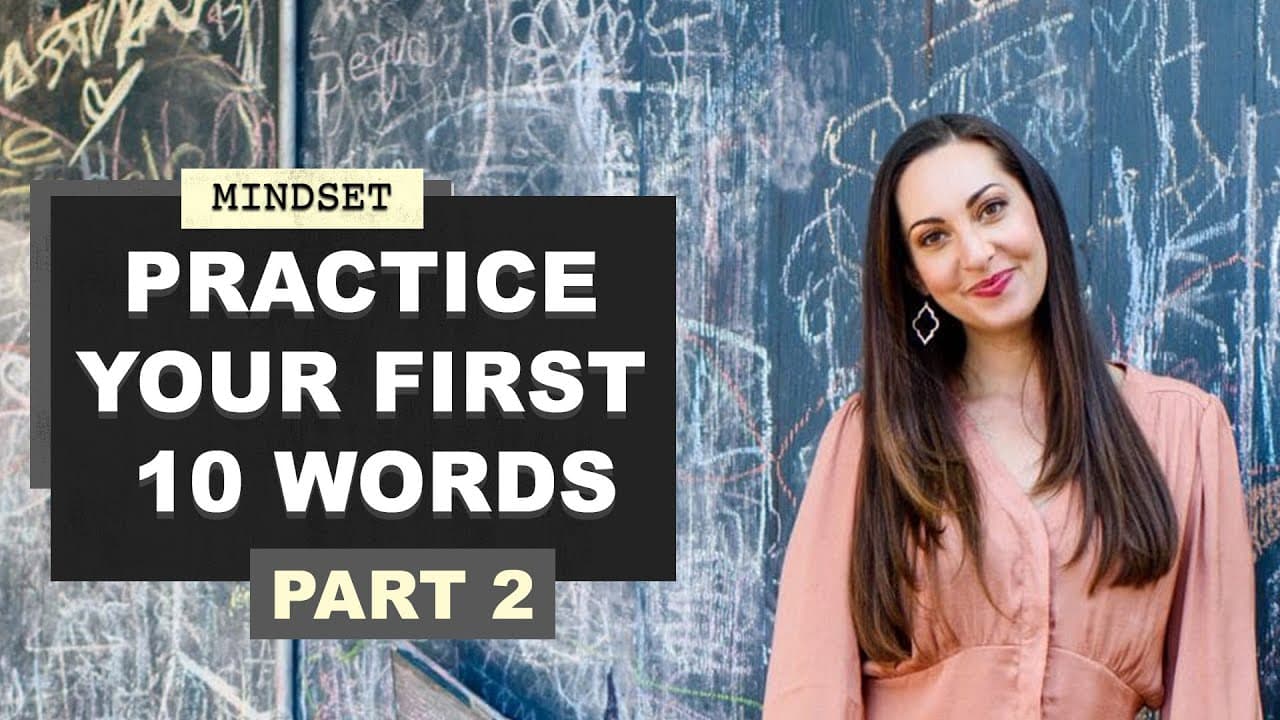
How Should You Practise Your First 10 Words? Charisma and Body Language Expert Vanessa Van Edwards Explains
TL;DR
Practise your first words by taking a deep breath, relaxing your shoulders, and delivering “hello” or your opening line on the out breath in the lower end of your natural vocal range. Vanessa Van Edwards says a higher range can signal low competence and confidence, while a lower range conveys less tension. Read on for eight practical answers about pitch, posture, vocal fry, and question inflection.
Transcript
the second thing that they found this gets a little bit more advanced so we're gonna go into an advanced vocal tip here is that the doctors who used the lowest end of their natural voice tone were rated as the highest incompetence now i there was i don't mean it the male with the lowest baritone to best so it wasn't the man with the lowest voiced a... Read More
Key Insights
- "when we speak in our higher range it signals low competence and low confidence" (3:33)
- "the easiest way that we can lower our range if you ever hear yourself go higher into your range is to take a deep breath relax your shoulders" (3:37)
- "always breathe out on hello or your opening line" (5:33)
- "the more that you speak up here the more you'll get vocal fry and run out of air" (4:47)
- "there's a reason i'm standing for this presentation i find personally that i can speak in my lower range if i'm standing" (3:48)
Install to Summarize YouTube Videos and Get Transcripts
Explore YouTube Video Summarizer or Get YouTube Transcript Extractor
Questions & Answers
Q: How should you practise your first words to sound confident?
Take a deep breath, relax your shoulders, and say “hello” or your opening line on the out breath. This helps you begin in the lower end of your natural vocal range instead of starting at the top of it.
Q: Why does speaking in a lower natural vocal range convey competence?
The doctors who used the lowest end of their natural voice tone were rated highest in competence. The point was not that the person with the deepest voice performed best, but that both men and women benefited from using the lower end of their own natural range.
Q: How does tension affect your voice?
Tension can tighten the vocal cords and the body, including the shoulders. That tension can push the voice higher in its range or create vocal fry, allowing listeners to hear anxiety or nervousness.
Q: What is the easiest way to lower your vocal range?
Take a deep breath and relax your shoulders when you hear your voice moving higher. Creating more space in the body makes it more likely that you will return to your natural range.
Q: Why should you say hello on the out breath?
Saying “hello” at the top of an in-breath can place it at the highest part of your vocal range. Saying it on the out breath produces a lower opening and gives listeners a different impression from the first word.
Q: How are vocal fry and a high vocal range connected?
Speaking high in your range can make it harder to produce volume, use up your air, and lead to vocal fry. Vanessa Van Edwards describes vocal fry as a sizzling bacon sound that can signal anxiety to listeners.
Q: Can standing help you speak with more vocal power?
Vanessa Van Edwards says she personally finds it easier to speak in her lower range while standing. When seated, she has more difficulty getting vocal power from her diaphragm, which is why she stands for presentations.
Q: How can you review a phone or video call to improve your voice?
Listen to a previously recorded pitch, presentation, Zoom call, or phone call. Notice every time you accidentally use question inflection by letting a sentence rise instead of bringing it down, and also listen for moments when your pitch moves higher.
Summary & Key Takeaways
-
Speaking in a lower range of your natural voice tone signifies competence and confidence due to reduced tension in vocal cords, leading to better communication.
-
Using warm and competent words strategically can enhance charisma by triggering positive behaviors and collaboration cues in communication.
-
The emotional needs of individuals can be addressed through verbal cues, such as offering solutions and understanding in challenging situations.
Read in Other Languages (beta)
Share This Summary 📚
Summarize YouTube Videos and Get Video Transcripts with 1-Click
Try YouTube Summary with ChatGPT & Claude or YouTube Transcript Generator
Explore More Summaries from How To Academy Mindset 📚



Summarize YouTube Videos and Get Video Transcripts with 1-Click
Try YouTube Summary with ChatGPT & Claude or YouTube Transcript Generator