How Does Substack Detect AI-Generated Writing?
TL;DR
Substack’s Pangram integration lets readers scan long-form posts for signs that text passed through a language model, but it cannot determine whether a writer worked thoughtfully or believed what they published. Chris Best argues that transparency can help readers evaluate responsible AI use while protecting online discourse from mass-produced content that overwhelms genuine human contributions.
Transcript
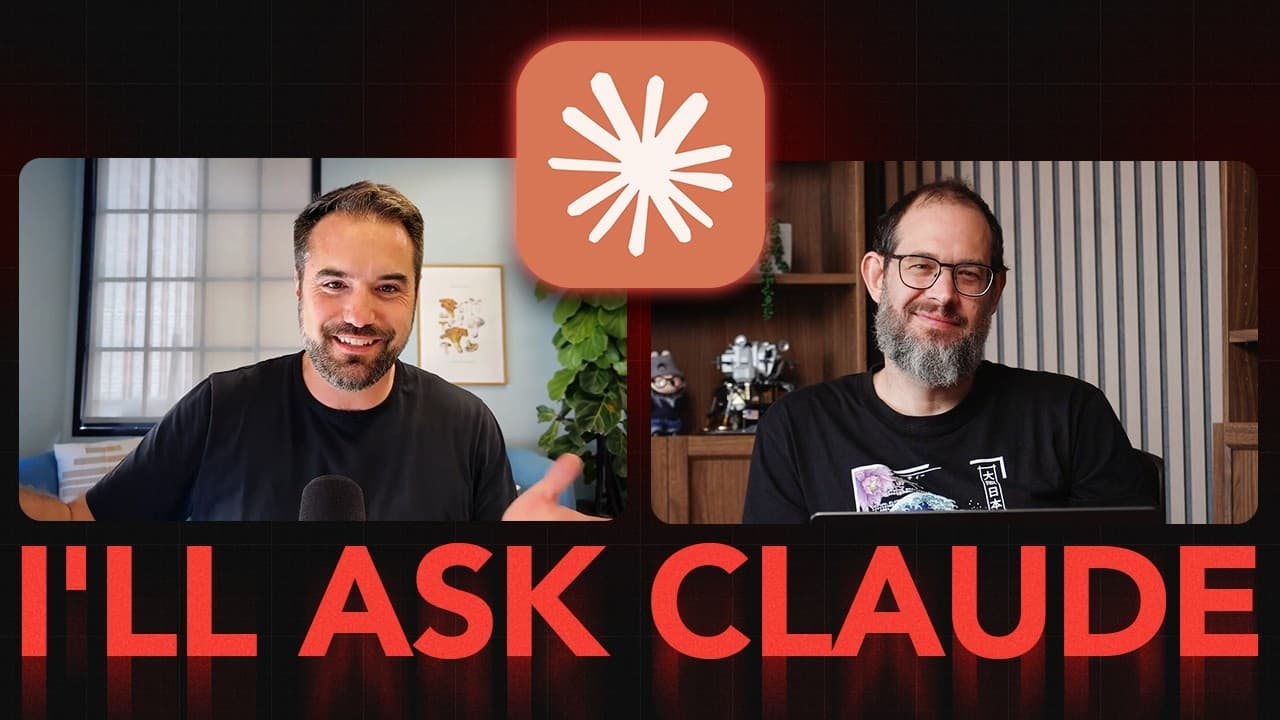
Chris, it's great to have you on here. Uh, tell me about you, about yourself, how you got into this problem space. Would love to hear a little bit about it. >> Hey, my name is Chris Best. I'm the co-founder and CEO of Substack. >> Amazing. And I know that we're talking a lot about AI slop today. We're talking a lot about what Substack is doing abou... Read More
Key Insights
- AI slop is content produced without genuine belief or commitment, whether it takes the form of spam, clickbait, generic writing, or automated posts. The category is broader than AI because human-made material can also lack thought, purpose, and care.
- AI use is not equivalent to AI slop because creators can employ language models as tools while maintaining control over their ideas and intentions. The meaningful dividing line is whether someone is making something they believe in or merely gaming a system.
- Pangram’s measurements indicated that about 40% of long-form writing on LinkedIn was fully generated. Best treats that finding as evidence of a dramatic shift in who or what produces online text, while acknowledging that detection is not a perfect measure of quality.
- Mass automated publishing can function like a denial-of-service attack against the public square because it floods shared spaces and forces readers to question whether contributions are genuine. That uncertainty makes discovering valuable new writers and conversations more difficult.
- Reader trust is harmed when automated comments or messages imitate personal engagement without meaningful human participation. Some people described avoiding new writers or comment sections after realizing that extended interactions might have been generated rather than personally written.
- Substack’s Pangram integration lets readers scan long-form text for an estimate of whether it passed through a language model during generation. It does not establish whether the work was carefully made, whether AI assisted only certain portions, or whether its ideas are worthwhile.
- Responsible AI use should withstand transparency because creators ought to be able to explain how tools contributed to their work. Substack supports that principle by offering an optional statement through which writers can provide context about how they created a piece.
- Platforms must respond before automated content changes their character because AI makes large-scale production fast and inexpensive. Best says Substack does not have every answer, but waiting indefinitely could allow its experience to become inundated with the same material users encounter elsewhere.
- More videos from this channel:
- More from this channel: AI News & Strategy Daily | Nate B Jones
Install to Summarize YouTube Videos and Get Transcripts
Explore YouTube Video Summarizer or Get YouTube Transcript Extractor
Questions & Answers
Q: What is AI slop according to Substack CEO Chris Best?
AI slop is broadly defined as content that nobody genuinely believes in or stands behind. It includes spam, clickbait, generic soulless writing, and material generated thoughtlessly at scale. The definition is not limited to artificial intelligence. AI can support careful creative work, while humans can produce low-value content without AI. Intent, belief, and engagement with the material are the central distinctions.
Q: How does Substack detect AI-generated writing?
Substack integrates Pangram into its app so readers can scan a long-form piece and receive an estimate of whether the text passed through a language model during generation. The feature is optional for readers who are curious. It supplies a signal about the text’s production process, but it cannot determine whether the creator exercised care, understood the material, or produced valuable ideas.
Q: Can an AI detector determine whether writing is thoughtful?
An AI detector cannot determine whether a writer carefully considered a subject, believes the published claims, or created something worthwhile. Pangram can estimate whether text was generated through a language model with reasonably good accuracy, according to Best, but that technical signal is different from measuring intent. Human judgment remains necessary when evaluating the care, context, and intellectual value behind a piece.
Q: Why is AI-generated content compared to a denial-of-service attack?
Mass-generated content resembles a denial-of-service attack against the public square because it can overwhelm shared spaces with posts, replies, and messages that lack meaningful human participation. The harm is larger than any single weak post. Readers must spend attention deciding whether interactions are genuine, which reduces trust and makes them less willing to discover new writers or participate in comment sections.
Q: What separates responsible AI use from AI slop?
Responsible AI use involves applying tools to work that a creator genuinely believes in, understands, and is willing to claim as their own. AI slop instead skips the step of belief and uses automation to game distribution systems, such as requesting a thousand viral posts without reviewing them. The important boundary is human intent and thoughtful engagement, not the mere presence or absence of AI.
Q: Why does transparency matter when writers use AI?
Transparency gives readers context for judging whether an AI-assisted work fits the implicit expectations of a particular setting. Looking up information with ChatGPT may be broadly acceptable, while automating personal replies can violate expectations of authentic interaction. Best argues that responsible uses should withstand disclosure. Substack therefore gives writers an option to describe how they made their work and explain where tools entered the process.
Q: How can AI slop reduce trust in online communities?
AI slop reduces trust by making readers unsure whether posts, comments, and messages represent another person’s actual thoughts. The transcript describes people who stopped reading unfamiliar writers or withdrew from comment sections after suspecting that extended conversations were automated. Even polished generated text can create this problem because the central concern is whether a person meaningfully participated, not whether the prose contains obvious errors.
Q: Why did Substack act before having a complete solution?
Substack acted because AI-driven changes are moving quickly, and Best believes platforms cannot wait indefinitely for every policy and technical question to be resolved. Without intervention, the Substack app could rapidly become inundated with the kind of automated writing associated with other platforms. The Pangram integration is presented as a first step that exposes a useful signal while leaving interpretation and judgment to readers.
Summary & Key Takeaways
-
Chris Best defines AI slop broadly as content that nobody believes in, including spam, clickbait, and generic, soulless material. The central distinction is not whether a creator used AI, but whether the creator applied genuine intent and judgment or cynically generated material to manipulate a platform without caring about its substance.
-
Mass-produced AI content can damage online discourse even when individual outputs appear competent. Readers must continually question whether posts, comments, and messages reflect a person’s real thinking. That uncertainty weakens trust, discourages engagement with unfamiliar writers, and can turn automated publishing into what Best calls a denial-of-service attack against the public square.
-
Substack integrated Pangram detection so curious readers can scan long-form writing for indications that it was generated through a language model. The result is only a production signal, not a verdict on quality, care, or responsible tool use. Substack also offers creators an option to explain how they made their work.
Read in Other Languages (beta)
Share This Summary 📚
Summarize YouTube Videos and Get Video Transcripts with 1-Click
Try YouTube Summary with ChatGPT & Claude or YouTube Transcript Generator
Explore More Summaries from AI News & Strategy Daily | Nate B Jones 📚






Summarize YouTube Videos and Get Video Transcripts with 1-Click
Try YouTube Summary with ChatGPT & Claude or YouTube Transcript Generator