How to Reconnect With Your Humanity Each Day
TL;DR
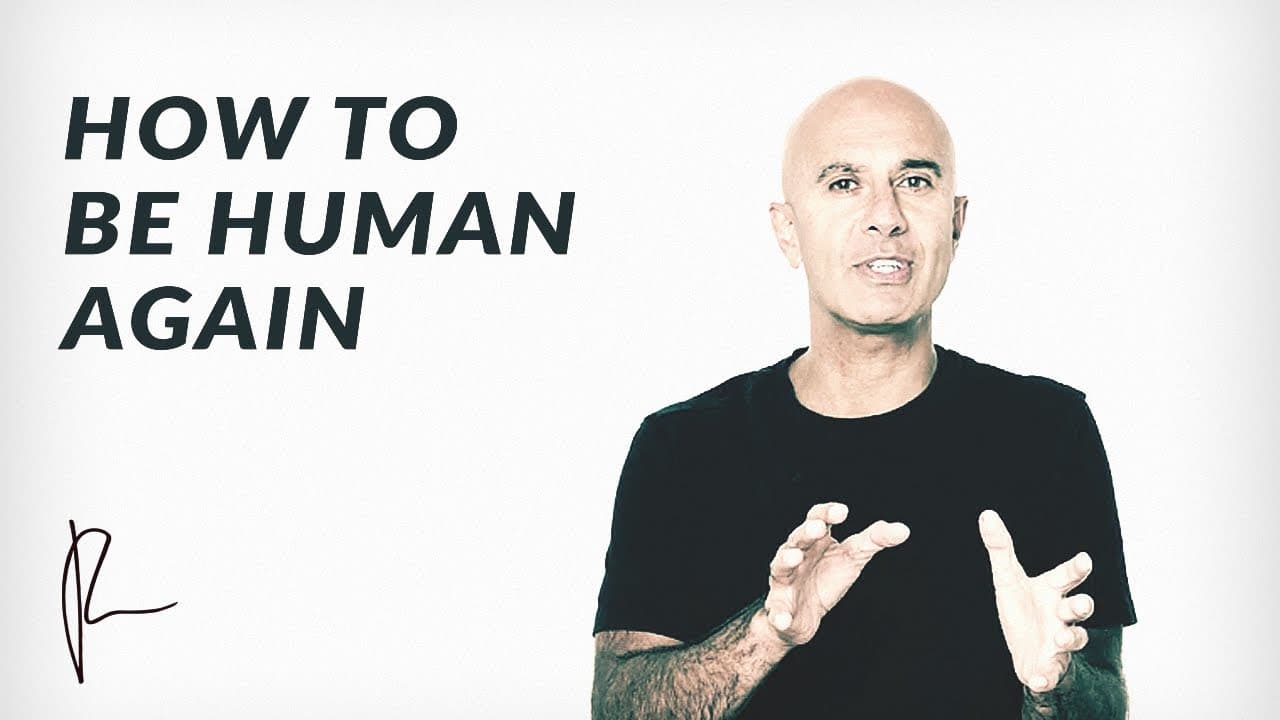
Become more fully human by protecting your attention, giving others your complete presence, and pursuing genuine connection. Reduce technological distractions, appreciate simple experiences, strengthen your mindset, heartset, healthset, and soulset, and meet hurtful behavior with understanding instead of immediate judgment. Better awareness supports better choices, which can produce better results.
Transcript
it's Robin Sharma author if the leader who had no title founder of the Titan Academy and welcome to this mastery session called how to be human again well we're living in a fascinating world you know many years ago we grew up on farms and there were these smaller communities less technology a lot more humanity and I'll speak for myself and you're p... Read More
Key Insights
- Presence is the fullness of attention given to another person or experience. Sharma describes it as a valuable gift for children, partners, customers, neighbors, and strangers because it allows people to feel seen, heard, and important.
- Constant distraction is a cause of broken focus and diminished human presence. Notifications, social media feeds, background audio, news, and phone sounds repeatedly claim mental bandwidth, leaving less attention and physical energy available later in the day.
- Attention residue is the portion of focus left behind whenever attention shifts to a distraction. Beginning the morning with available mental bandwidth does not guarantee lasting focus if repeated interruptions steadily consume that capacity throughout the day.
- Better awareness is the foundation for better choices and better results. Sharma's three-step formula holds that noticing distraction, disconnection, or habitual behavior creates an opportunity to choose differently and produce a more desirable outcome.
- Being fully alive is expressed through attentive engagement with ordinary experiences. Tasting food, noticing a sunset, responding emotionally to a profound book, and listening without checking a phone are presented as signs of genuine presence.
- Connection is strengthened through direct, sincere interaction with other people. Conversations with street vendors, restaurant chefs, friends, relatives, and team members can move life beyond superficial exchanges and support professional, personal, and inner well-being.
- The four interior empires are mindset, heartset, healthset, and soulset. Sharma says inner work supports focused thinking, passion and love, sustained vitality, longevity, and a deeper connection to meaning before achievement is pursued externally.
- Understanding is the practice of viewing hurtful conduct through the other person's pain and limited awareness. Sharma argues that wounded people may cause pain, so considering their experiences can support forgiveness and reduce immediate judgment.
Install to Summarize YouTube Videos and Get Transcripts
Explore YouTube Video Summarizer or Get YouTube Transcript Extractor
Questions & Answers
Q: How can I become more present in everyday life?
Becoming more present starts with giving one person or activity the fullness of your attention. Silence the phone, avoid checking notifications during meals or conversations, turn off unnecessary background audio, and notice ordinary details such as food, sunsets, or another person's expression. Sharma presents presence as a daily practice that helps children, partners, customers, neighbors, and strangers feel genuinely valued.
Q: Why do phone notifications make it harder to focus?
Phone notifications repeatedly pull attention away from the current task or person. Sharma says each interruption claims part of your mental bandwidth and leaves attention residue, reducing the focus, energy, and presence available later. Keeping the ringer off and limiting checks of texts, social media, feeds, and other alerts can protect attention from being fragmented throughout the day.
Q: What is attention residue and how does it affect presence?
Attention residue is the portion of attention that remains attached to something after focus has shifted. Sharma explains that people begin the morning with a full bandwidth of attention, but every notification, sound, news item, or digital distraction takes some of it. Repeated shifts can leave a person unable to focus, listen deeply, or remain fully present by the end of the day.
Q: What is Robin Sharma's three-step success formula?
Robin Sharma's three-step success formula is better awareness, better choices, and better results. Awareness helps a person recognize patterns such as distraction, superficial interaction, or technological dependence. That recognition makes a different choice possible, such as silencing a phone or listening attentively. Repeating better choices can then lead to improved focus, connection, presence, and results.
Q: How can simple interactions create stronger human connection?
Simple interactions build connection when they include attention, appreciation, and genuine curiosity. Sharma describes looking into a cashier's eyes, greeting people on the street, talking with flower sellers or restaurant chefs, and sharing conversation with family. These moments acknowledge another person's humanity and move an exchange beyond superficiality, supporting richer relationships in professional, personal, and inner life.
Q: What are the four interior empires in personal mastery?
The four interior empires are mindset, heartset, healthset, and soulset. Mindset concerns mental calibration. Heartset involves openness, passion, and love rather than toxicity. Healthset supports energy, vitality, and longevity. Soulset addresses the inner spiritual dimension. Sharma presents these areas as the internal foundation for sustained productivity, performance, impact, and meaningful connection with others.
Q: Why are walking meetings useful for connection and work?
Walking meetings combine attentive conversation with movement and fresh air. Sharma says he uses them to listen, learn from another person, and receive an hour of exercise at the same time. He also believes that walking and physical energy improve the quality of the meeting. The practice supports human connection while serving professional discussion, health, and focused engagement.
Q: How should you understand someone who has hurt you?
Sharma recommends considering the pain, wounds, awareness, consciousness, and humanity available to the person who caused harm. He argues that painful behavior often comes from people who are themselves in pain or emotionally numb. Understanding does not require calling the behavior good. It means resisting immediate judgment, considering the person's experiences, and doing the inner work required for forgiveness.
Summary & Key Takeaways
-
Full presence is presented as one of the greatest gifts a person can offer children, partners, customers, neighbors, and strangers. Constant notifications, media, background noise, and phone use fragment attention, drain mental bandwidth, and create attention residue. Protecting focus makes attentive conversations and meaningful experiences more possible.
-
Human connection grows through simple acts such as making eye contact, greeting strangers, speaking with workers, sharing meals, and giving people undivided attention. Sharma values walking meetings because they combine conversation, learning, exercise, and fresh air. He encourages choosing connection over superficiality in professional, personal, and inner life.
-
Understanding and kindness require looking beneath harmful behavior. Sharma argues that people act according to the awareness, consciousness, and humanity available to them, and that painful actions often come from wounded people. Rather than judging immediately, he recommends considering another person's experiences and developing forgiveness for unresolved injuries.
Read in Other Languages (beta)
Share This Summary 📚
Summarize YouTube Videos and Get Video Transcripts with 1-Click
Try YouTube Summary with ChatGPT & Claude or YouTube Transcript Generator
Explore More Summaries from Robin Sharma 📚
Summarize YouTube Videos and Get Video Transcripts with 1-Click
Try YouTube Summary with ChatGPT & Claude or YouTube Transcript Generator