How Venture Capital Wins Deals in the AI Era
TL;DR
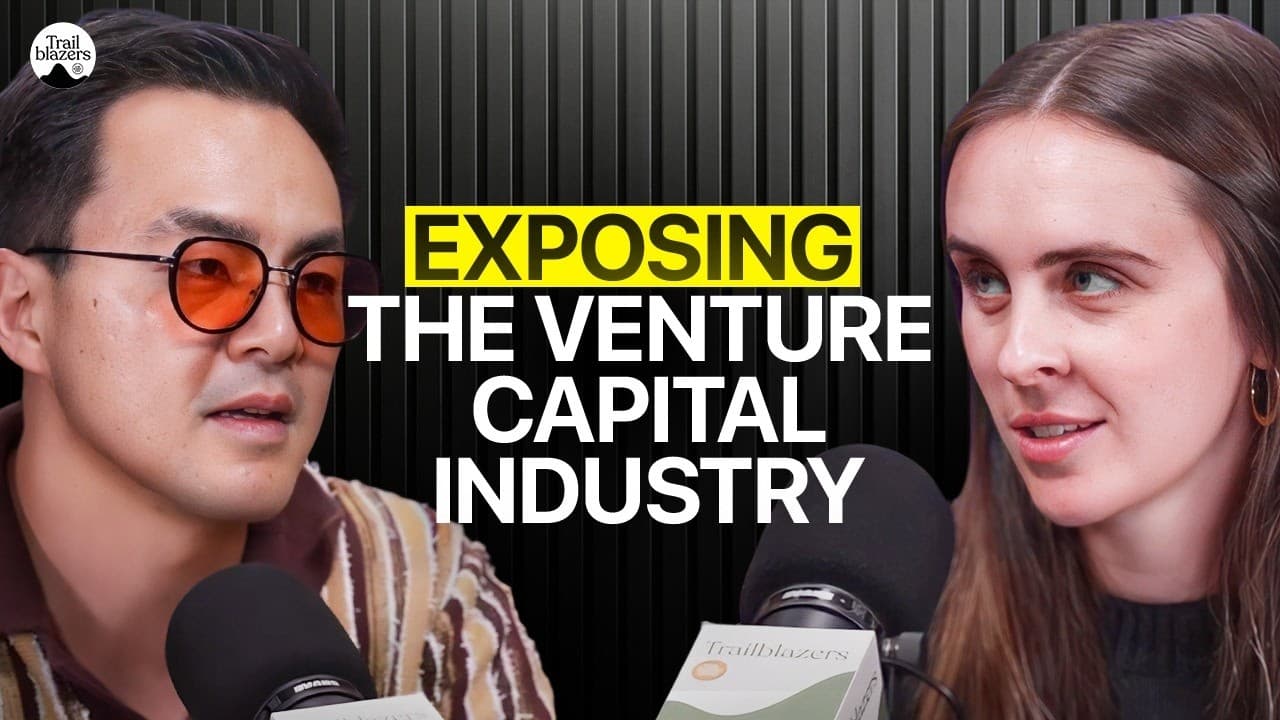
Venture investors increasingly win competitive startup deals through relationships, useful introductions, and specialized support, not simply by identifying promising companies. Geoff Woo argues that AI makes general execution and widely available knowledge less valuable, while deep expertise, lived experience, focused obsession, strong social skills, and access to attention become more important.
Transcript
So today on the show, I am so excited to be joined by Jeff Woo. Jeff is the founder and managing partner of Antifund, a venture from backing bold founders, building the future across technology, consumer, defense, and culture. He's also the founder and executive chairman of Ketone [music] IQ, a company pioneering ketone-based performance nutrition,... Read More
Key Insights
- Specialization becomes more valuable when AI can perform generalist work, because frontier knowledge, lived experience, and subtle customer insights may not exist in published material that models can absorb.
- AI works as a collection of additional sources of intelligence, making execution more commoditized while increasing the relative importance of judgment developed through sustained involvement in a specific industry.
- Junior hiring faces pressure when entry-level knowledge is already available online, because organizations may prefer teaching an AI agent instead of training a person whose current information overlaps with existing training data.
- Focused obsession is a competitive advantage because equally intelligent people who train intensively in one discipline can outperform talented generalists who divide their attention among many changing interests.
- Venture capital follows an increasingly concentrated outcome pattern, where the leading company or two in a category may create substantial returns while numerous competing businesses produce little or no value.
- Deal access depends heavily on emotional intelligence and social ability, because identifying a widely recognized startup is different from persuading its founders to accept an investor's capital and support.
- Investor value is demonstrated through practical help, such as arranging introductions to European banks, supporting geographic expansion, or contributing specialized marketing relationships that advance a portfolio company's stated goals.
- Operational professionalism is a signal to limited partners, because deal-closing speed, a clean investor experience, and timely tax documents can influence whether investors decide to provide additional capital later.
Install to Summarize YouTube Videos and Get Transcripts
Explore YouTube Video Summarizer or Get YouTube Transcript Extractor
Questions & Answers
Q: How is AI changing the value of specialist expertise?
AI makes broad knowledge and many execution tasks more readily available, so specialized insight becomes relatively more important. Geoff Woo argues that models can absorb published internet material across many disciplines, but they may not contain the lived experience, customer learning, and frontier knowledge held by someone who has remained deeply focused on a specific industry.
Q: Why might specialists outperform generalists in an AI-driven economy?
Specialists may outperform because AI can already serve as a powerful generalist by drawing from large bodies of published information. A person working at the frontier can contribute incremental insights, judgment, and experience that are absent from that material. Woo therefore believes sustained obsession with one or two areas can become more valuable as general execution is commoditized.
Q: Why are some junior workers facing reduced hiring demand?
Junior workers may face reduced demand when much of the information they need to learn is already available on the internet and incorporated into AI systems. Woo suggests that an organization may prefer teaching an agent instead of training a human in widely documented knowledge. Senior people remain valuable when they possess additional wisdom and frontier experience.
Q: What personal weakness does Geoff Woo identify?
Geoff Woo describes himself as a streaky, smart person who becomes intensely interested in a subject and then moves toward another appealing topic. He gives the example of spending roughly 200 hours exploring an AI coding ecosystem. He considers this a weakness because it has kept him from consistently pursuing mastery in one discipline.
Q: Why does intense focus matter for founders and investors?
Intense focus matters because raw intelligence alone does not guarantee success at the highest competitive level. Woo observed that other capable people may devote extraordinary effort to training for one specific activity. He believes sustained obsession creates the detailed knowledge and judgment needed to operate at the frontier, especially when AI makes routine execution easier.
Q: How do venture investors win access to competitive startup deals?
Venture investors win access by offering more than recognition of a promising company. Woo argues that investors need emotional intelligence, strong relationships, and the ability to help founders accomplish specific objectives. Useful contributions can include introductions to European banks, support for geographic expansion, and connections within marketing, creator, or influencer networks.
Q: Why can venture capital produce highly concentrated outcomes?
Venture capital can produce concentrated outcomes because one or two companies may dominate a category while other competitors generate far less value. Woo compares this pattern with ride-sharing and expects an even more extreme version in AI markets. As a result, investors must both identify category leaders and secure permission to invest in them.
Q: What signals operational quality to venture fund investors?
Operational quality is signaled through the fund's back-office performance, including how quickly deals close, how clean the limited-partner experience feels, and how tax documents arrive. The discussion presents these details as visible indicators of professionalism. A more organized investment operation can increase the likelihood that existing investors will provide additional money in the future.
Summary & Key Takeaways
-
Geoff Woo describes himself as a streaky generalist who can become intensely absorbed in a new subject, including spending roughly 200 hours exploring an AI coding ecosystem. He views this pattern as a weakness because sustained concentration on one field can produce deeper insight than repeatedly pursuing new interests.
-
AI tools provide broad intelligence and make many execution capabilities more widely available. Woo therefore expects specialists at the frontier of an industry to gain an advantage because their customer knowledge, lived experience, and incremental insights are not necessarily represented in published internet material or existing AI training data.
-
Venture investing increasingly depends on winning access to the strongest companies in markets where one or two leaders may capture most of the value. Recognizing a prominent company may be relatively straightforward, but securing an allocation requires relationships, social skill, attention, and concrete assistance such as introductions or expansion support.
Read in Other Languages (beta)
Share This Summary 📚
Summarize YouTube Videos and Get Video Transcripts with 1-Click
Try YouTube Summary with ChatGPT & Claude or YouTube Transcript Generator
Explore More Summaries from Trailblazers with Erica Wenger 📚





Summarize YouTube Videos and Get Video Transcripts with 1-Click
Try YouTube Summary with ChatGPT & Claude or YouTube Transcript Generator