How to be 10x More Productive with Sprints
TL;DR
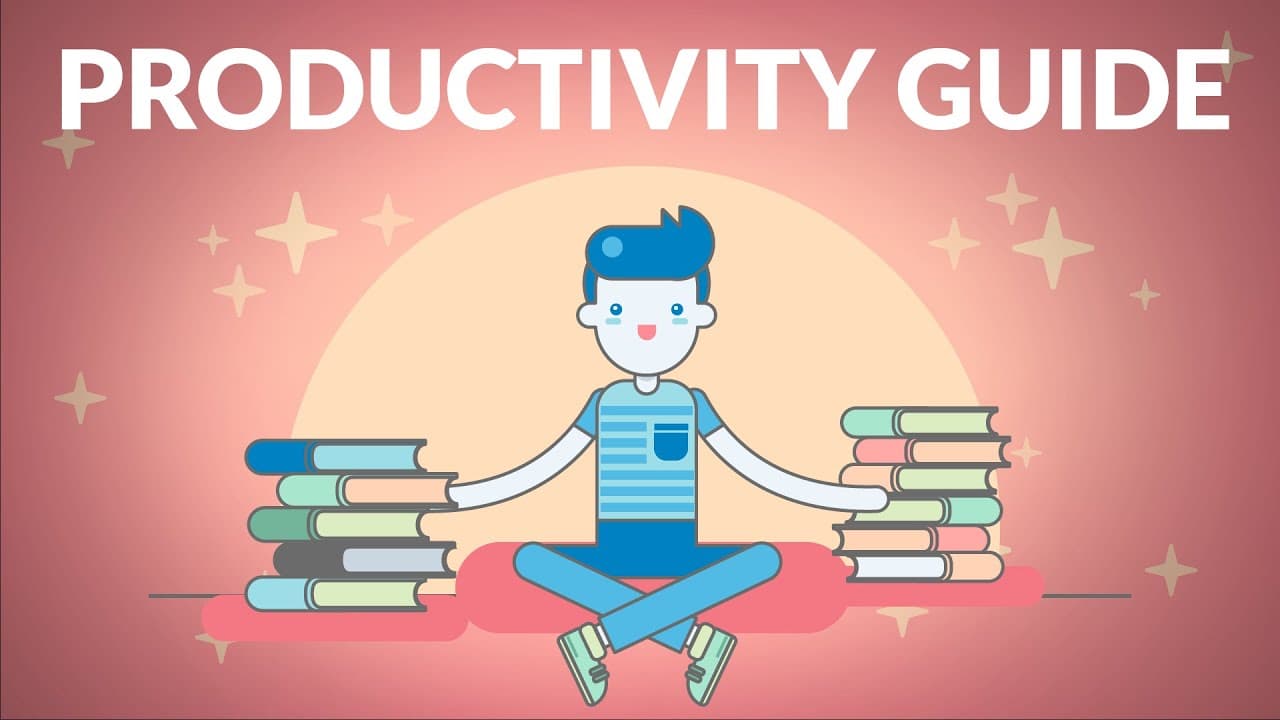
Sprints are time bounded work sessions that maximize focused effort on a single task. The core idea is to manage energy rather than just time, using direction and stride to raise velocity. Discipline and deliberate practice are essential to sustain progress and avoid burnout.
Transcript
Productivity is effective movement. It’s running in the right direction for the longest distance. It’s about making the greatest progress towards your goals in the shortest amount of time. And the key to productivity can be boiled down to a simple equation: distance equals velocity multiplied by time, which equals another set of variables. In this ... Read More
Key Insights
- Distance measures productive output and can be increased by raising velocity or extending time in a sprint.
- Time is a less reliable productivity metric because it can be wasted; velocity and direction drive real progress.
- Velocity combines direction and stride; choosing meaningful direction based on personal values yields greater returns than simply increasing effort.
- Direction is often more important than how hard you sprint, as misdirected effort yields lower outcomes.
- Stride length reflects skill and deliberate practice improves it through action and feedback.
- Rhythm or flow in work cycles helps sustain performance and prevents burnout, enabling consistent daily progress.
- Discipline, not motivation, enables repeatable productivity gains and requires thoughtful experimentation and self evaluation.
- Endings that leave a next step clear create momentum for the following day.
Install to Summarize YouTube Videos and Get Transcripts
Explore YouTube Video Summarizer or Get YouTube Transcript Extractor
Questions & Answers
Q: How to start using sprints for productivity
To start using sprints you set short, intense work blocks focused on a single task. Begin with a manageable length, such as 15 minutes, and decide how many sprints you will do in a day. Track the distance you cover in each sprint and adjust the length and number to maintain energy. The goal is consistency, not perfection, so gradually increase as you can maintain focus without burnout.
Q: What is the productivity equation mentioned
The video uses the distance equals velocity times time equation to explain productivity. Here, distance is productive output, velocity is a combination of direction and stride, and time is how long you work. The key takeaway is to maximize velocity and optimize time by choosing a meaningful direction and efficient stride.
Q: Why is direction more important than effort
Direction determines where your energy is invested, which areas yield higher returns. The example compares engineers choosing different industries and suggests that even with similar effort, the direction can lead to significantly different outcomes. Therefore, aligning action with personal values and desired outcomes is central to effective productivity.
Q: How do you determine your values for productivity
Values are inferred from actions and reflections rather than stated beliefs. The video suggests examining what sparks envy or admiration, considering idols, and asking whether you would swap places with them. This reflection helps reveal what you truly value, which then informs the direction of your sprint and the projects you pursue.
Q: What is deliberate practice in this framework
Deliberate practice involves taking action on a task and obtaining feedback by comparing your performance to an ideal version. This cycle of action followed by feedback sharpens stride length, improving skill and efficiency. Repeating this process across your chosen activities leads to better outcomes over time.
Q: How should one structure sprint length and frequency
Start with a modest setup and gradually scale. For example, use four 30 minute sprints per day, while ensuring you end each sprint with energy left for the next one. Increase sprint length or the number of sprints as consistency improves, but avoid pushing too hard too quickly to prevent burnout.
Q: What role does energy management play in productivity
Energy management focuses on spending energy intentionally rather than letting motivation drive work sessions. By planning sprints that fit your energy levels, you can maintain productivity without exhausting yourself. Hemingway’s approach of finishing with juice remaining preserves momentum for the next day.
Q: How can rhythm help maintain productivity
Rhythm or flow refers to the cadence of work and rest that sustains performance. Establishing a predictable pattern helps you stay in a productive zone, preventing fatigue and enabling you to build a sustainable routine. A steady rhythm also makes it easier to resume work after breaks, supporting long term progress.
Summary & Key Takeaways
-
A sprint based approach treats productivity as a function of distance, velocity and time, with distance being the output and velocity determined by direction and stride. Short, intense sessions beat long, unfocused work when aiming for progress toward goals.
-
Consistency matters more than motivation, as gradual ramping of sprint length and number builds sustainable discipline and energy management. The idea is to end each session with energy left for the next step, avoiding burnout.
-
Understanding values helps choose the direction of effort, and deliberate practice improves stride length and rhythm, enabling more effective progress toward goals over time.
Read in Other Languages (beta)
Share This Summary 📚
Summarize YouTube Videos and Get Video Transcripts with 1-Click
Try YouTube Summary with ChatGPT & Claude or YouTube Transcript Generator
Explore More Summaries from Freedom in Thought 📚



Summarize YouTube Videos and Get Video Transcripts with 1-Click
Try YouTube Summary with ChatGPT & Claude or YouTube Transcript Generator