Shirzad Chamine: Pivoting Towards Positivity

TL;DR
Self sabotage arises when a founder shifts from a magnetic, positive leadership style to a controlling, negative one and loses trust. The fix is to acknowledge the change, confront identity questions, seek feedback, and apply a structured positivity framework to realign behavior with core values.
Transcript
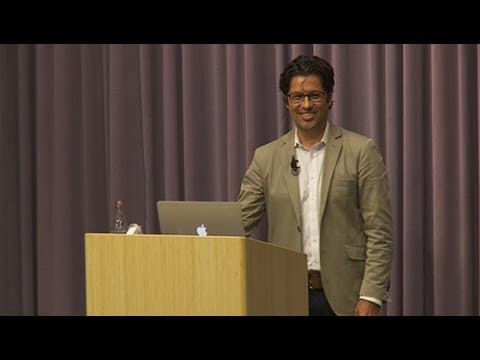
- So let me start now with what actually led to the most humiliating day of my personal and professional life, and life as an entrepreneur, that led to all of this. It all started several years after I graduated from Stanford business school here. So I was in many of your seats, many years ago, and then several years out. After working at a bunch o... Read More
Key Insights
- Self sabotage is a definable shift from a positive, magnetic leadership style to a controlling, negative mode.
- The turning point is recognizing the impact of one’s behavior on trust, relationships, and company outcomes.
- Listening and feedback are essential, even when it is painful, to realign actions with core values.
- Identity questions drive the process: who is the real self and how does that influence behavior?
- A structured approach, not denial, helps restore trust and collaboration within a team.
- Positive intelligence work provides a framework to shift from reactivity to constructive response.
- External events can strip power, but growth comes from reframing reactions rather than retreating.
- Commitment to ongoing self coaching is key for sustaining positive leadership over time.
- More videos from this channel:
- More from this channel: Stanford eCorner
Install to Summarize YouTube Videos and Get Transcripts
Explore YouTube Video Summarizer or Get YouTube Transcript Extractor
Questions & Answers
Q: How can an entrepreneur identify that self sabotage is occurring in their leadership style?
Self sabotage can be identified when a leader notices a pattern of reacting with control, distrust, or anger, while feedback from peers or board members highlights a growing disconnect between the leader and the team. Acknowledging these signs is the first step toward change, followed by a deliberate plan to address underlying beliefs and behaviors.
Q: What is the role of feedback in recovering from a sabotaging leadership phase?
Feedback serves as a mirror that reveals blind spots and misaligned actions. Receiving it openly, without justification, helps the leader understand the real impact on others and the organization's path. Integrating feedback into a concrete plan to adjust behavior is essential for rebuilding trust and long-term effectiveness.
Q: What questions should a founder ask themselves during recovery from self sabotage?
Founders should ask who their authentic self is, whether their current actions reflect their true values, and if the vision they pursue remains shared by their team. They should explore whether fear, control, or ego drives their behavior and how to shift toward behaviors that encourage collaboration and learning.
Q: How does the concept of positive intelligence help in this process?
Positive intelligence provides tools to recognize sabotaging impulses and replace them with constructive responses. By strengthening mental muscles that support perspective taking, self-control, and optimistic problem solving, a leader can reduce reactive patterns and guide the team toward a healthier, more productive dynamic.
Q: Why is staying in a company after a leadership fall both painful and necessary?
Staying through the aftermath demonstrates commitment to the team and the business, preserving established relationships and knowledge. It also creates an opportunity to model accountability, rebuild trust through consistent behavior, and show that growth is possible even after a significant misstep.
Q: What practical steps can a founder take to realign with their vision and team?
Practical steps include seeking structured feedback, articulating a redefined leadership style, implementing a coaching or mentorship plan, setting clear boundaries and processes for decision making, and applying positive intelligence practices daily to maintain a calmer, more receptive stance.
Q: How can a team support a founder’s recovery without enabling harmful patterns?
Teams can support recovery by offering honest, timely feedback in a respectful way, establishing accountability structures, and creating safe channels for concerns. They should focus on collaboration, measurable goals, and recognizing progress to help the founder realign with shared objectives.
Q: What long term benefits emerge from overcoming self sabotage in leadership?
Overcoming self sabotage fosters stronger trust, better decision making, and a healthier organizational culture. It enables sustainable growth, higher employee engagement, and alignment between the founder’s vision and the company’s actions, creating a resilient business capable of adapting to future challenges.
Summary
In this video, the speaker shares the story of the most humiliating day of his life as an entrepreneur, which led to a series of questions about self-identity, personal growth, and self-sabotage. This experience ultimately led him to develop a body of work on positive intelligence and finding ways to shift our orientation when we experience negative behaviors and tendencies.
Questions & Answers
Q: What was the speaker's initial vision for his company?
The speaker's initial vision was to create a self-coaching software that every employee within every company could use to coach their own career through the company. He believed that every company would be interested in having employees be self-guided in their career management with the support of an internal coach.
Q: How did the speaker attract support and funding for his company?
The speaker cold called a bunch of Fortune 500 CEOs and managed to get almost a dozen of them interested in his vision. He also attracted a world-class group of people, including one of his buddies from business school who became the company's president. Furthermore, the speaker raised around $20 million in seed financing and Series A financing from major venture capital firms.
Q: What led to the downfall of the speaker and his company?
After the initial success and positive momentum, the speaker started exhibiting negative behaviors such as being controlling, distrustful, micromanaging, and always angry. He became unable to listen to feedback and became disconnected from the people around him. This eventually led to an intervention and a coup staged by his colleagues, pushing him aside as they believed he was destroying his own vision.
Q: How did the speaker feel when he discovered the coup and its implications?
The speaker was heartbroken and devastated when he discovered the coup staged by his colleagues. He had to confront the painful reality of working with people he believed had betrayed him and his trust. It caused immense pain for him to walk into the office space every day, knowing that he had been stripped of his power and the trust of those working with him.
Q: What questions started to arise in the speaker's mind after the betrayal?
The speaker began questioning who the real version of himself was. He wondered if he was the incredible, magnetic visionary who attracted everyone to the company, or the monster that nobody wanted to work with. He also asked himself how he had shifted from one version to the other and whether this shift was permanent. Additionally, he questioned if the people he interacted with were truly betraying him for self-serving purposes or if there was another explanation.
Q: What prevented the speaker from walking away after the betrayal?
The speaker could not walk away because he had brought in the funding, clients, and the team working in the company. Despite being stripped of his power, he felt the responsibility to see the company through and make it thrive. This is a common dilemma for founding members of venture-backed companies who are sometimes pushed aside when they are deemed to be hindering the vision.
Q: How did this experience lead the speaker to personal growth and research?
The speaker's painful experience triggered a series of questions about his own self-identity and the reasons behind his shift from a positive visionary to a negative individual. Unable to answer these questions initially, he embarked on a personal journey of self-improvement and research. Over a period of about 15 years, he made discoveries through both personal experience and research that eventually led to the development of his body of work on positive intelligence.
Q: What were some of the questions the speaker sought to answer through his research?
The speaker aimed to understand how self-sabotage occurs and why people can shift from one mode of themselves to another. He wanted to uncover the ways in which individuals can change their orientation and overcome negative behaviors and tendencies. These questions sparked his research and ultimately informed the work he does today.
Takeaways
The speaker's personal and professional downfall led him to question his own identity and behavior. His experience highlights the importance of self-reflection and the detrimental impact negative behaviors can have on personal relationships and professional success. This journey ultimately inspired him to develop a body of work centered around positive intelligence, helping individuals shift their orientation and overcome self-sabotage.
Summary & Key Takeaways
-
The first step is recognizing the shift from positivity to negativity as a core issue, not a personal failure, which sets the stage for change. This involves honest reflection and willingness to hear tough feedback from trusted colleagues. It also requires commitment to a practical path toward positive leadership.
-
Next, the speaker emphasizes the importance of reconstructing an identity that supports listening, collaboration, and accountability, not micromanagement. The approach combines personal introspection with external guidance to restore trust and align team goals with a shared vision.
-
Finally, the talk presents a practical framework for self coaching and mindset shifts that enable ongoing growth. By identifying sabotage patterns and applying positive intelligence principles, individuals can sustain constructive engagement and productive work relationships.
Read in Other Languages (beta)
Share This Summary 📚
Summarize YouTube Videos and Get Video Transcripts with 1-Click
Try YouTube Summary with ChatGPT & Claude or YouTube Transcript Generator
Explore More Summaries from Stanford eCorner 📚





Summarize YouTube Videos and Get Video Transcripts with 1-Click
Try YouTube Summary with ChatGPT & Claude or YouTube Transcript Generator