How Is TikTok Addressing Concerns About Addiction and Manipulation?
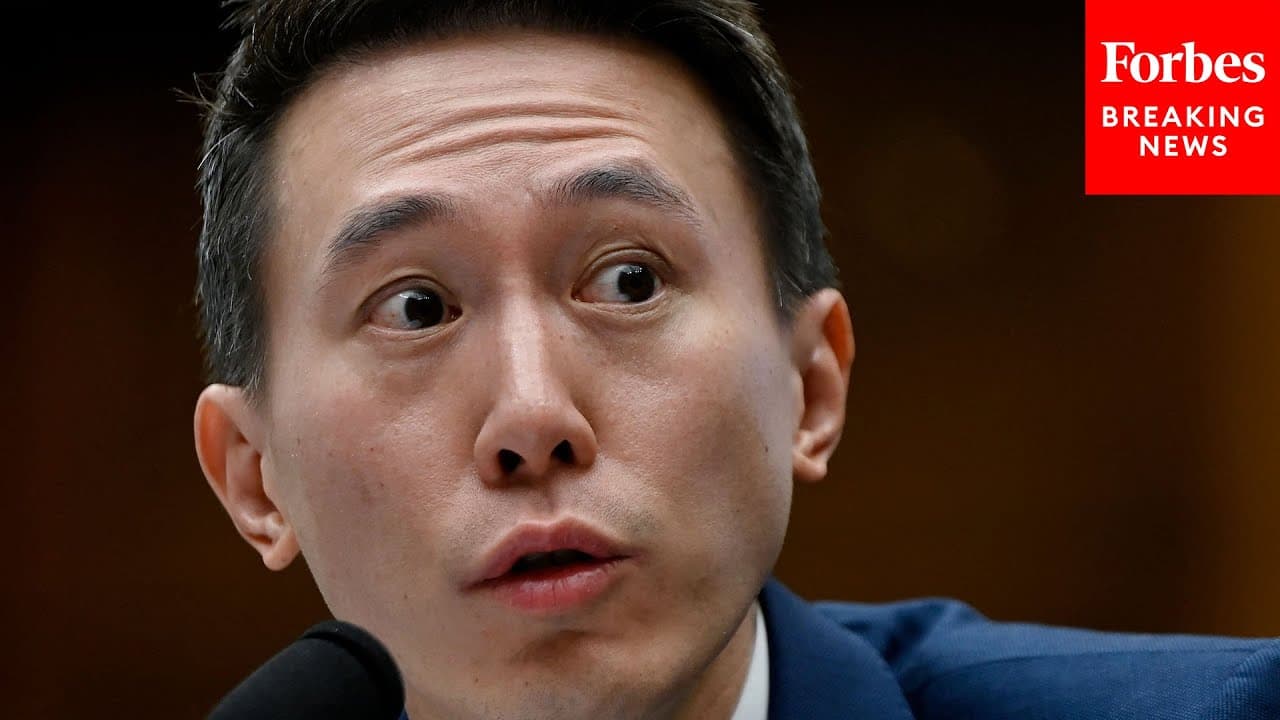
TL;DR
TikTok acknowledges that its platform can negatively impact children's mental health by enhancing addictive behaviors and engagement through features like endless scroll and likes. The company has introduced measures like a 60-minute watch limit for teens but faces challenges as many users can easily bypass these limits. Ongoing discussions about the app's design and its effects on younger users emphasize the need for safer social media practices.
Transcript
true I'm going to pick up on a theme we've already covered here which is the effect that your platform along with many other social media platforms by the way has in terms of mental and Behavioral Health in this country I won't speak to what's happening elsewhere in the world but we've talked about the impact that it's having on children on teens w... Read More
Key Insights
- ☠️ Social media platforms, including TikTok, have a detrimental impact on the mental health of children and teens, contributing to higher rates of depression and anxiety.
- 🤑 TikTok's design features, such as the endless scroll and like features, are specifically crafted to keep users, particularly younger ones, engaged for extended periods, intensifying the negative effects on mental health.
- 😀 The addictive nature of social media platforms, combined with the vulnerable stage of brain development in teens, leaves users helpless in the face of manipulative algorithms.
- 👤 TikTok has implemented measures like a 60-minute watch limit and restrictions on certain features for younger users, but concerns remain about their effectiveness and users finding ways to bypass them.
- 👪 The conversation around appropriate social media usage should involve parents and teenagers, aiming to establish limits and promote healthier online habits.
- 👤 TikTok acknowledges the need for user safety, particularly for teenagers, and claims to be studying recommendations made by other industry players.
- 🤪 Research is requested on the implementation and bypassing of usage limits, as well as additional measures TikTok plans to take going forward.
Install to Summarize YouTube Videos and Get Transcripts
Explore YouTube Video Summarizer or Get YouTube Transcript Extractor
Questions & Answers
Q: How does excessive use of social media platforms, like TikTok, affect mental health?
Excessive use of social media platforms has been linked to increased rates of depression and anxiety among children and teens. The constant exposure to content, the desire for approval through likes, and the fear of missing out create a toxic environment for mental health.
Q: How does TikTok manipulate users, especially children and teens?
TikTok's design features, such as the endless scroll and like features, are intended to keep users engaged for prolonged periods. By capitalizing on the desire for approval and the fear of missing out, TikTok manipulates users, particularly younger ones, into spending more time on the app, amplifying the negative effects on mental health.
Q: Is TikTok taking any steps to address the manipulative and addictive nature of its platform?
TikTok claims to prioritize user safety, particularly for teenagers, and has implemented some measures like a 60-minute watch limit, restrictions on direct messaging for users under 16, and limitations on viral content for users under 18. However, concerns remain about the effectiveness of these measures and the ability of teens to bypass them.
Q: If enforcing reasonable limits on TikTok usage leads to user migration to other platforms, is TikTok prepared to accept that consequence?
TikTok's representative expressed willingness to accept the possibility of users leaving the platform if it means implementing reasonable limits to protect users, especially teenagers. However, further research and information on the effectiveness of current measures and ways to address usage exceeding limits are requested.
Key Insights:
- Social media platforms, including TikTok, have a detrimental impact on the mental health of children and teens, contributing to higher rates of depression and anxiety.
- TikTok's design features, such as the endless scroll and like features, are specifically crafted to keep users, particularly younger ones, engaged for extended periods, intensifying the negative effects on mental health.
- The addictive nature of social media platforms, combined with the vulnerable stage of brain development in teens, leaves users helpless in the face of manipulative algorithms.
- TikTok has implemented measures like a 60-minute watch limit and restrictions on certain features for younger users, but concerns remain about their effectiveness and users finding ways to bypass them.
- The conversation around appropriate social media usage should involve parents and teenagers, aiming to establish limits and promote healthier online habits.
- TikTok acknowledges the need for user safety, particularly for teenagers, and claims to be studying recommendations made by other industry players.
- Research is requested on the implementation and bypassing of usage limits, as well as additional measures TikTok plans to take going forward.
- The committee emphasizes the importance of addressing the negative impact of social media platforms on mental health and requests further information to guide future actions.
Summary & Key Takeaways
-
Social media platforms, including TikTok, have a negative impact on the mental health of children and teens, leading to increased depression and anxiety.
-
TikTok's design features, such as the endless scroll and like features, are designed to keep users, especially teens, engaged for long periods of time, exacerbating the harm caused by the platform.
-
The addictive nature of social media platforms leaves young users helpless in the face of manipulative algorithms, as their developing brains are more susceptible to addictive impulses.
Read in Other Languages (beta)
Share This Summary 📚
Summarize YouTube Videos and Get Video Transcripts with 1-Click
Try YouTube Summary with ChatGPT & Claude or YouTube Transcript Generator
Explore More Summaries from Forbes Breaking News 📚






Summarize YouTube Videos and Get Video Transcripts with 1-Click
Try YouTube Summary with ChatGPT & Claude or YouTube Transcript Generator