How to Balance Many Hobbies With Limited Energy
TL;DR
Manage hobbies around your energy, not just your available hours. Match demanding activities with periods when your mind feels fresh, choose calmer versions or hobbies after exhausting work, and reserve preparation-heavy interests for quieter periods so leisure remains enjoyable instead of becoming another obligation.
Transcript
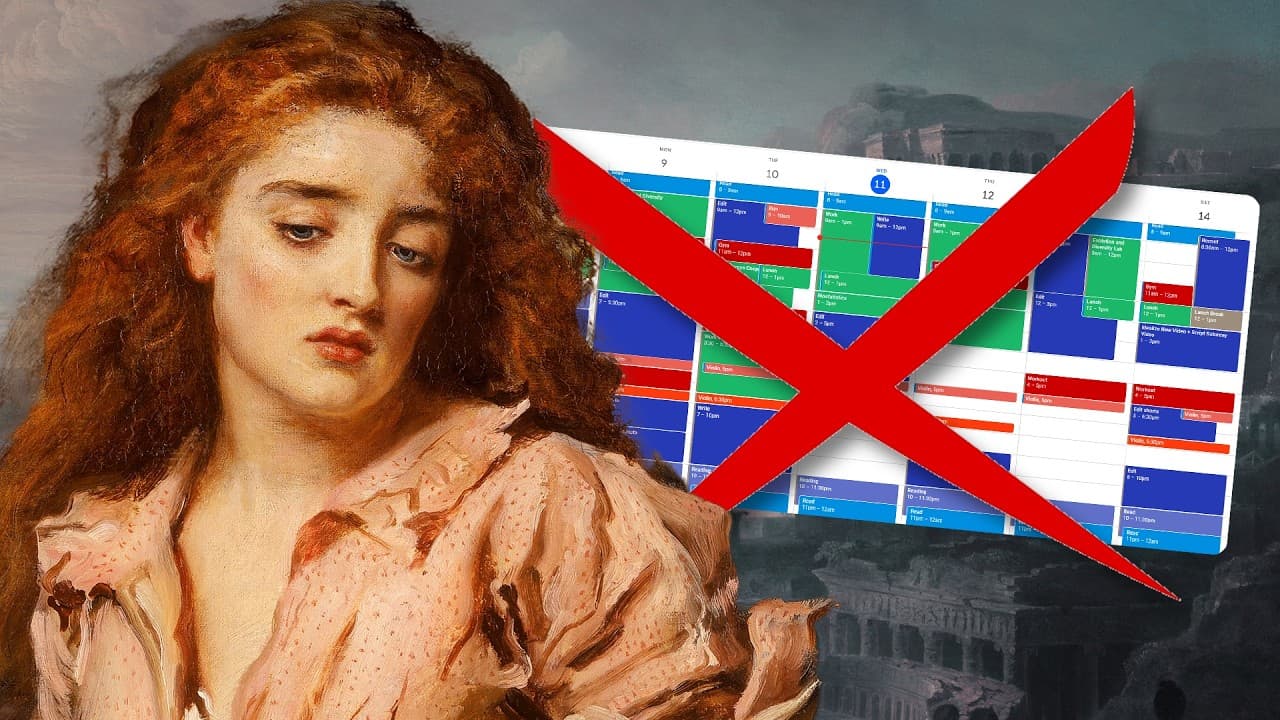
this video is sponsored by Squarespace the internet's best platform for designing your dream website the phrase time management makes me cringe I instantly think of these crowded calendars which micromanage every single minute of time and then the rich outof touch influencers that somehow have the time for a 2-hour morning routine and they think th... Read More
Key Insights
- Energy is often a more useful constraint than time because an open hour does not guarantee the mental or physical capacity needed for a demanding hobby after work, college, commuting, overstimulation, or caregiving.
- Sustainable time management is practical and flexible rather than a calendar that micromanages every minute. It must account for exhausting jobs, heavy study, loved ones, financial obligations, and the ordinary demands that productivity advice often overlooks.
- The key to preserving enjoyment is matching difficulty to current energy. Forcing a challenging activity during a depleted period can reduce engagement and may create resentment toward a hobby that was originally meaningful and enjoyable.
- A hobby can be divided into demanding and relaxed components. Language learning, for example, can involve focused grammar, vocabulary, and conversation practice when energy is high, while watching a program and noticing unfamiliar words can suit a tired evening.
- Relaxed hobbies are suited to busy periods because they can be started with little planning and may feel restorative. More active hobbies often require preparation, equipment, coordination, travel, or sustained effort, making them better suited to calmer periods.
- Energy patterns can guide both daily and longer-term scheduling. Difficult reading may fit a fresh morning, while easier but thoughtful material may fit after demanding lectures, and preparation-heavy interests may fit weekends, holidays, or lighter stretches of work.
- Money is closely connected to hobby freedom because essential work, rent, insurance, bills, equipment, and responsibilities take priority. Financial stress can consume attention even when free time technically exists, while hobby equipment itself can create an additional burden.
- A sustainable hobby system avoids treating every person as equally disciplined or equally available. People face different workloads, energy levels, responsibilities, and financial pressures, so useful planning must begin with their actual circumstances rather than an idealized routine.
Install to Summarize YouTube Videos and Get Transcripts
Explore YouTube Video Summarizer or Get YouTube Transcript Extractor
Questions & Answers
Q: How can I make time for hobbies after an exhausting day?
Start by evaluating your remaining energy rather than looking only at free time. If focused practice feels unrealistic, choose a calmer part of the hobby that requires less concentration or preparation. Save its demanding components for a fresher period, such as a morning or a quieter day. This keeps the hobby present in your life without forcing an exhausting session that could weaken your enjoyment.
Q: Why do I have free time but no motivation for my hobbies?
Free time and usable energy are not the same thing. Work, college, commuting, physical activity, noise, constant demands, and intensive note-taking can leave you depleted even when the day still contains an open period. The resulting lack of drive is not necessarily a personal failure. It may indicate that the activity should be moved to a fresher period or replaced temporarily with a gentler version.
Q: How should I schedule difficult and easy parts of a hobby?
Separate the hobby into components according to how much attention and effort they require. Place concentrated study, complex ideas, conversation practice, or unfamiliar material in periods when your mind feels fresh. Use lower-energy periods for accessible material or passive exposure that still supports the interest. The purpose is to adapt the activity to your capacity while keeping both progress and enjoyment sustainable.
Q: How can I study a language when I am tired after work?
Use a low-demand form of exposure when concentrated study feels too difficult. You might watch a program in the language and try to notice unfamiliar words rather than forcing yourself through grammar, vocabulary drills, or conversation practice. When your energy returns, switch to those more demanding tasks. Both approaches belong to the same hobby, but they require different levels of attention and effort.
Q: What is the difference between relaxed and active hobbies?
Relaxed hobbies can often begin with little planning and may calm or restore you after a demanding day. Active hobbies require more preparation, coordination, equipment, travel, or sustained effort before and during the activity. Woodworking is presented as an example of something that can be accessible and grounding once a setup exists, while camping illustrates an interest that may require extensive organization before it begins.
Q: When should I pursue preparation-heavy hobbies?
Reserve preparation-heavy hobbies for periods with less work and more available energy, such as weekends, holidays, or generally calmer stretches. These interests may require gathering equipment, coordinating with friends, planning travel, and completing the activity itself. Trying to handle all of that after an exhausting workday creates an uphill struggle, while choosing a lighter period allows the hobby to receive proper attention.
Q: Can forcing myself to practice make me dislike a hobby?
Yes, repeatedly forcing a demanding activity when you are mentally depleted can reduce your engagement and make an enjoyable interest feel like another obligation. The proposed solution is not necessarily to abandon the hobby, but to change its timing or select an easier component. Matching the task to your current energy protects the sense of curiosity, pleasure, and fulfillment that made the hobby worthwhile.
Q: How does money affect the time available for hobbies?
Money affects hobbies because essential work and responsibilities come before leisure. Rent, insurance, bills, food, and caring for loved ones can create stress that remains present even during technically free time. Hobbies may also require costly equipment, adding pressure to the budget. Financial freedom can expand what is possible, while financial strain can restrict both the time and attention available for creative or recreational interests.
Summary & Key Takeaways
-
Conventional time management can become an exhausting form of hyper-productivity that ignores work, college, caregiving, and other demands. A sustainable approach begins by accepting those constraints. The practical question is not how to micromanage every minute, but how to pursue meaningful interests without turning leisure into another source of pressure.
-
A lack of progress on hobbies often reflects depleted energy rather than insufficient discipline. Mentally or physically demanding days can leave little capacity for difficult reading, study, or practice. Observing when energy rises and falls makes it possible to place challenging activities in fresher periods and gentler alternatives in more tiring ones.
-
Hobbies and their individual components can be classified by how much effort they require. Relaxed activities fit busy periods and may restore energy, while active or preparation-heavy interests fit weekends, holidays, and calmer periods. This flexible arrangement protects enjoyment and gives each interest appropriate attention without continually fighting fatigue or low motivation.
Read in Other Languages (beta)
Share This Summary 📚
Summarize YouTube Videos and Get Video Transcripts with 1-Click
Try YouTube Summary with ChatGPT & Claude or YouTube Transcript Generator
Explore More Summaries from Odysseas 📚




Summarize YouTube Videos and Get Video Transcripts with 1-Click
Try YouTube Summary with ChatGPT & Claude or YouTube Transcript Generator