What Are 6 Stoic Strategies for Mental Toughness?
TL;DR
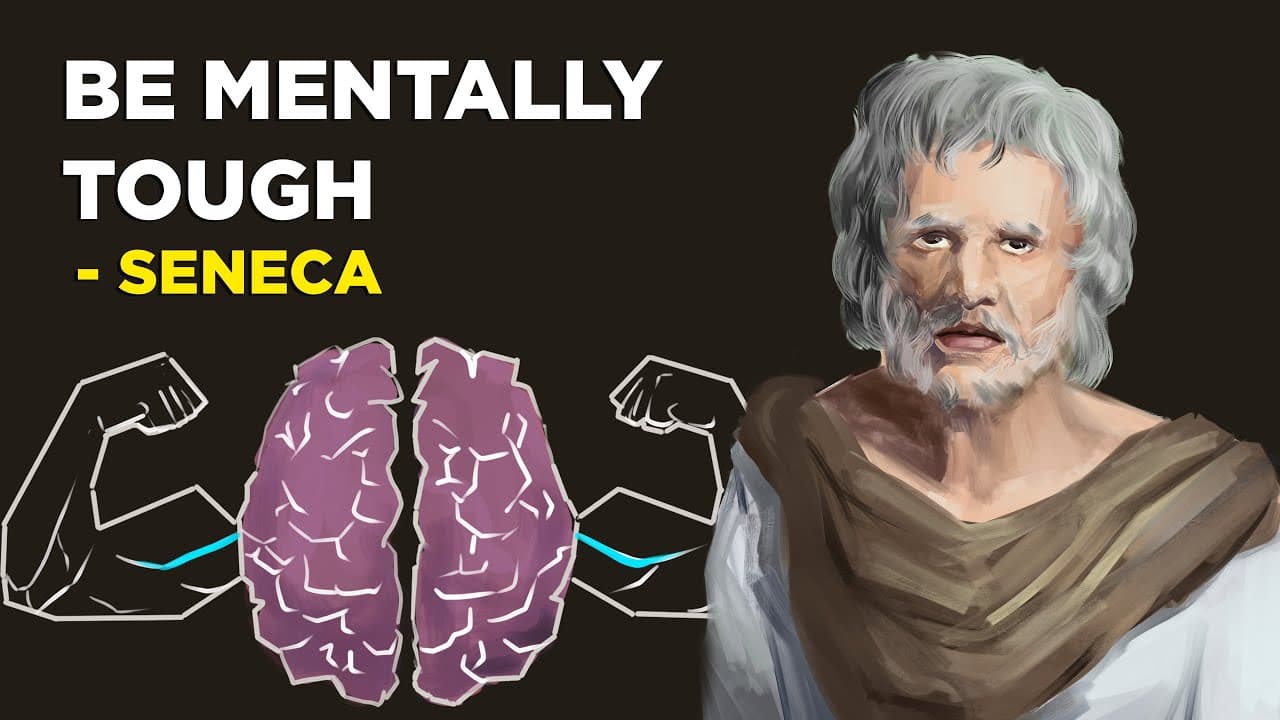
The six Stoic strategies for developing mental toughness include focusing on one task at a time, practicing negative visualization, embracing voluntary hardships, avoiding a victim mentality, utilizing solitude for self-reflection, and practicing philosophy to control impulses. These methods foster resilience, self-awareness, and the ability to navigate life's challenges with composure.
Transcript
This video is sponsored by Brilliant.org. Brilliant is the best way to learn math, data science, and computer science interactively. We will talk more about Brilliant at the end of the video but for now let's get on with how to be mentally tough from the philosophy of Seneca. Lucius Annaeus Seneca was a prominent Roman philosopher, statesman, and d... Read More
Key Insights
- 😀 Seneca's Stoic philosophy emphasizes mental toughness and resilience in facing life's challenges.
- ⌛ Focus on one task at a time to enhance productivity and avoid burnout.
- 🥹 Negative visualization prepares individuals for adversity by fostering gratitude and resilience.
- 🏛️ Voluntary hardships build mental strength by challenging comfort zones.
- 🤳 Avoid self-victimization by focusing on what is within one's control.
- 🤳 Embrace solitude for introspection and self-reflection to strengthen mental resilience.
- 🎮 Philosophy assists in controlling impulses and fostering self-control.
Install to Summarize YouTube Videos and Get Transcripts
Explore YouTube Video Summarizer or Get YouTube Transcript Extractor
Questions & Answers
Q: Why is mental toughness important in facing life's challenges?
Mental toughness allows individuals to navigate adversity with composure and resilience, enabling them to overcome obstacles and emerge stronger.
Q: How can negative visualization help in cultivating mental strength?
Negative visualization involves contemplating worst-case scenarios to prepare for adversity, fostering gratitude and resilience by mentally confronting potential challenges.
Q: What is the significance of voluntary hardships in developing mental toughness?
Voluntary hardships involve purposefully embracing challenges outside one's comfort zone to strengthen the mind, build resilience, and cultivate gratitude for existing possessions.
Q: How does solitude contribute to mental toughness according to Seneca?
Solitude allows individuals to engage in self-reflection, introspection, and personal growth, fostering mental strength and clarity through a deeper understanding of oneself.
Summary & Key Takeaways
-
Seneca, a prominent Stoic philosopher, teaches how to navigate life's challenges with calmness and resilience.
-
Focus on one task at a time to increase productivity and avoid burnout, following Seneca's advice on time management.
-
Embrace negative visualization, voluntary hardships, and self-reflection in solitude to build mental toughness according to Seneca's philosophy.
Read in Other Languages (beta)
Share This Summary 📚
Summarize YouTube Videos and Get Video Transcripts with 1-Click
Try YouTube Summary with ChatGPT & Claude or YouTube Transcript Generator
Explore More Summaries from Philosophies for Life 📚

Summarize YouTube Videos and Get Video Transcripts with 1-Click
Try YouTube Summary with ChatGPT & Claude or YouTube Transcript Generator